
Как обслуживать ППУ-машины: чек-лист профилактического обслуживания — ежедневно, еженедельно, ежегодно
Структурированный график профилактического обслуживания сохраняет продуктивность вашей ППУ-машины на 15–20 лет вместо 8–10. Получите ежедневный, еженедельный, ежемесячный и ежегодный чек-лист — плюс инвентарь запчастей и профилактику типичных отказов.
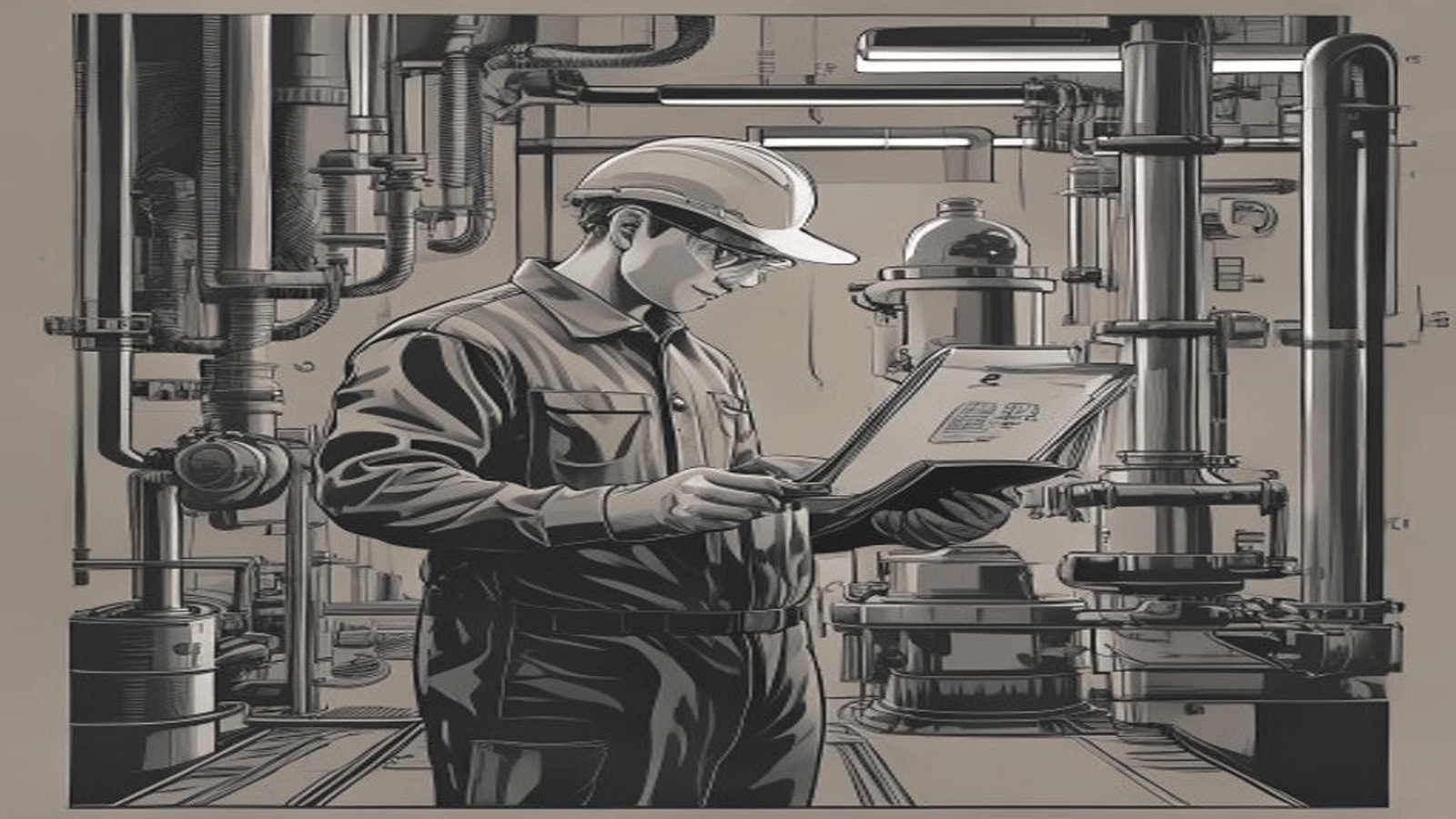
Профилактическое обслуживание стоит 2000–4000 USD/год на запчасти и жидкости против 15 000–30 000 USD за один незапланированный ремонт смесительной головки. Ежедневно (10 мин): уровень масла, уровни в баках, промывка смесительной головки, проверка шлангов, показания давления. Еженедельно (30 мин): осмотр фильтров, точечная проверка температуры, проверка соотношения, электро-/проверки безопасности. Ежемесячно: замена уплотнений, анализ масла, калибровка расходомера. Ежегодно: полная замена масла, замена шлангов, ремонт насоса, резервное копирование ПЛК. Держите 6 критических категорий запчастей на объекте (3000–6000 USD общий инвентарь).
Почему профилактическое обслуживание определяет срок службы вспенивающей машины
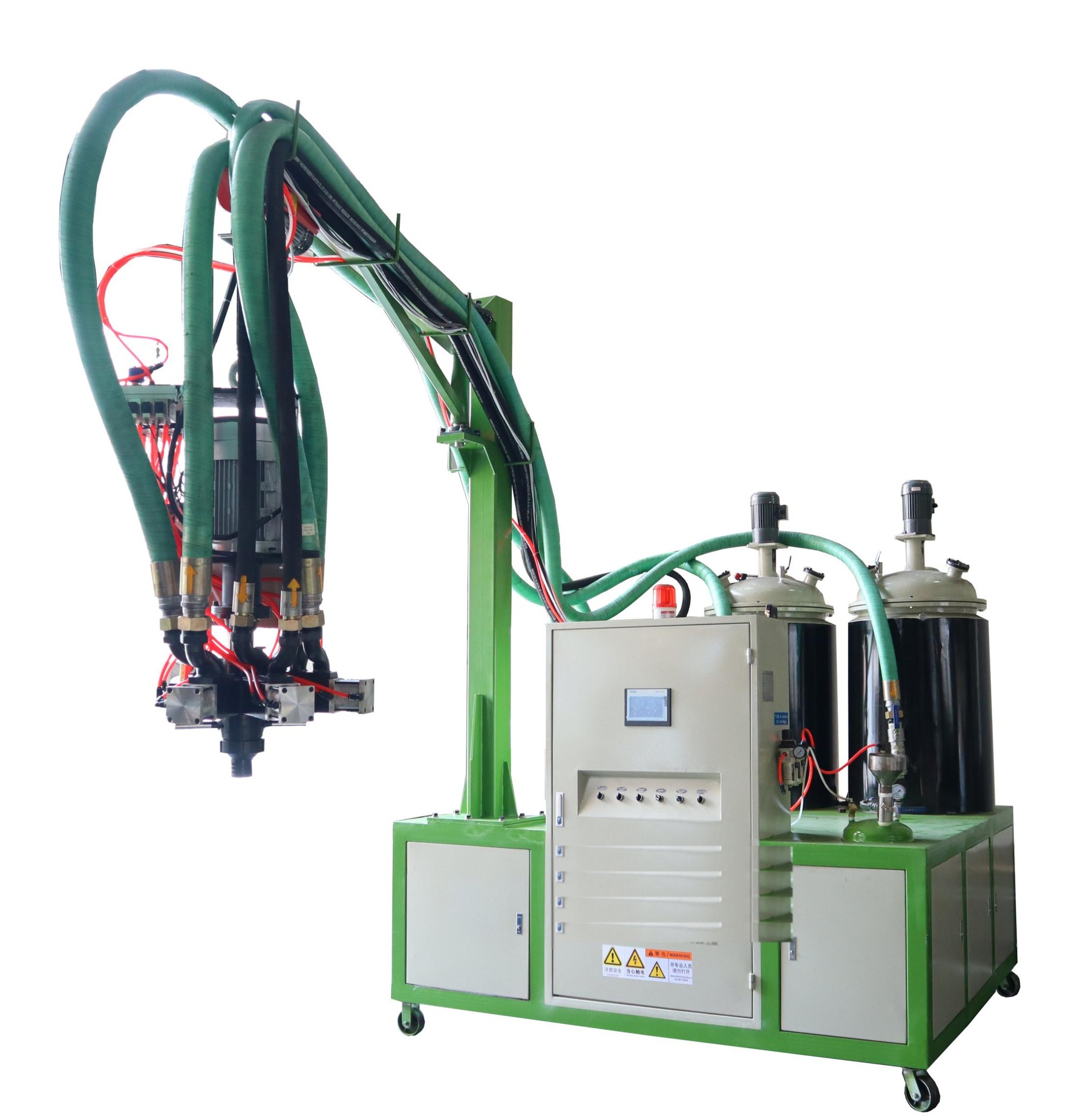
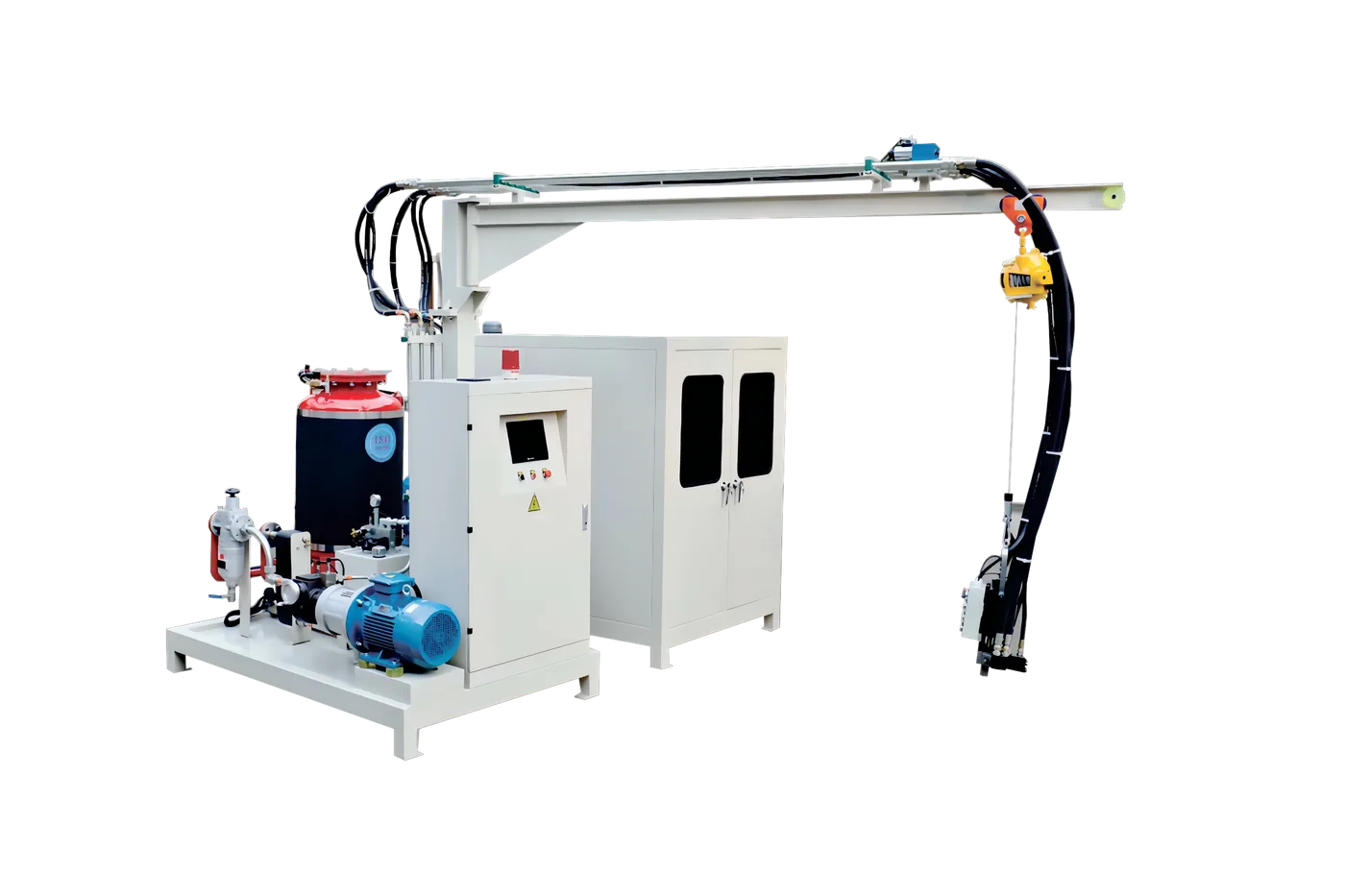
ППУ-машина высокого давления, работающая в две смены, может делать 200–400 впрысков в день. Каждый впрыск подаёт изоцианат и полиол через смесительные головки под давлением 120–180 бар — давления, ускоряющие износ уплотнений, поршней и клапанов. Без плановой профилактики большинство операторов сталкиваются с незапланированными простоями в течение 6–12 месяцев: засорённые смесительные камеры, дрейф соотношения или гидравлические утечки, загрязняющие цех.
Данные однозначны: заводы, следующие графику обслуживания ежедневно-еженедельно-ежемесячно-ежегодно, сохраняют продуктивность вспенивающих машин 15–20 лет вместо типичных 8–10 лет при чисто реактивном обслуживании. Разница в затратах составляет примерно 2000–4000 USD в год на запчасти и жидкости — против 15 000–30 000 USD за один незапланированный ремонт смесительной головки.
Ежедневный чек-лист обслуживания (10 минут на смену)
Выполняйте эти проверки в начале каждой производственной смены:
- Уровень и температура гидравлического масла — масло должно находиться между отметками мин/макс на смотровом стекле. Рабочая температура: 40–55 °C. Выше 65 °C сигнализирует о засорении контура охлаждения или износе насоса.
- Уровни в баках материалов — проверьте, что расходные баки изоцианата (сторона A) и полиола (сторона B) заполнены на запланированный объём производства. Работа на сухих баках вносит воздух в систему и вызывает пустоты в пене.
- Промывка смесительной головки — после каждого перерыва в производстве более 15 минут промывайте смесительную головку чистящим агентом (обычно метиленхлорид или контур промывки переработанным полиолом). Остаточный материал кристаллизуется и блокирует сопло в течение 20–30 минут при комнатной температуре.
- Состояние шлангов и герметичность соединений — визуально осматривайте нагреваемые шланги на перегибы, истирание или подтекание в соединениях. Протекающий шланг изоцианата — это одновременно угроза безопасности (пары MDI, ПДК 0,005 ppm) и остановка производства.
- Показания манометров — фиксируйте давление впрыска сторон A и B. Отклонение > 5% от заданного значения рецептуры означает засорение фильтра или потерю эффективности дозирующего насоса.
Еженедельный чек-лист обслуживания (30–45 минут)
- Материальные фильтры — извлеките и осмотрите линейные фильтры 80–120 меш на обеих сторонах A и B. Фильтры изоцианата засоряются быстрее во влажном климате, поскольку влага реагирует с MDI, образуя твёрдые частицы мочевины. Замените, если перепад давления на фильтре превышает 3 бар.
- Точечная проверка калибровки температуры — используйте ИК-термометр, чтобы убедиться, что температура материала на смесительной головке соответствует показаниям контроллера в пределах ±2 °C. Дрейф за этими пределами влияет на плотность пены и однородность ячеек (см. наше руководство по плотности ППУ-пены и K-фактору).
- Проверка соотношения дозирования — сделайте свободный впрыск в два отдельных контейнера, взвесьте каждый компонент. Весовое соотношение должно соответствовать рецептуре (обычно 1:1,0–1:1,15 для жёсткой пены). Ошибка соотношения > 3% означает необходимость перекалибровки насоса.
- Электрические соединения — проверьте клеммные винты, контакты контакторов и охлаждающие вентиляторы частотного преобразователя. Ослабленные клеммы под вибрацией вызывают периодические неисправности, которые трудно отследить после запуска производства.
- Блокировки безопасности — протестируйте аварийные остановки, датчики близости смесительной головки и концевые выключатели закрытия формы. Документируйте каждый тест в журнале обслуживания.
Ежемесячные и ежегодные работы капитального обслуживания
Ежемесячно (2–4 часа, плановый простой):
- Замените уплотнения смесительной головки (О-кольца, уплотнения поршня, седла сопла) — даже если они выглядят целыми. Комплект уплотнений за 15 USD предотвращает замену смесительной головки за 3000 USD.
- Анализ гидравлического масла — отправьте образец в лабораторию анализа жидкостей. Проверьте на загрязнение водой (< 200 ppm), счёт частиц (целевой показатель ISO 4406: 18/16/13) и вязкость в пределах ±10% от спецификации.
- Очистите и перекалибруйте расходомеры (кориолисовые или шестерённые).
- Осмотрите и подтяните все гидравлические фитинги — вибрация со временем ослабляет соединения JIC и BSP.
Ежегодное капитальное обслуживание (1–2 дня, плановая остановка):
- Полная замена гидравлического масла — 150–300 л в зависимости от размера машины. Используйте сорт, указанный производителем машины (обычно ISO VG 46 или VG 68).
- Замените нагреваемые шланги, если внешняя оболочка показывает трещины, расслоение, или нагревательные элементы имеют горячие точки (измеряется тепловизором).
- Отремонтируйте дозирующие насосы — замените поршни, гильзы цилиндров и обратные клапаны. Заводские ремкомплекты от авторитетных производителей стоят 800–2000 USD за насос.
- Откалибруйте все датчики давления и контроллеры температуры по эталонам, прослеживаемым к NIST.
- Обновите прошивку ПЛК и создайте резервную копию базы рецептур на офлайн-носитель.
Четыре типичных отказа, которые предотвращает правильное обслуживание
| Отказ | Первопричина | Профилактика | Стоимость ремонта при игнорировании |
|---|---|---|---|
| Пустоты в пене / плохая адгезия | Смесь вне соотношения (износ насоса или засорённый фильтр) | Еженедельная проверка соотношения + ежемесячная замена уплотнений | 5000–10 000 USD (брак продукции + переделка) |
| Заклинивание смесительной головки | Кристаллизация материала из-за недостаточной промывки | Промывка после каждого перерыва > 15 мин | 3000–8000 USD (ремонт или замена головки) |
| Перегрев гидравлической системы | Низкий уровень масла, засорённые рёбра охладителя, деградировавшее масло | Ежедневная проверка уровня масла + ежемесячный анализ масла | 10 000–20 000 USD (повреждение насоса и клапанов) |
| Разрыв шланга | УФ-деградация, перегиб, старение внутренней оболочки | Ежедневный визуальный осмотр + ежегодная замена | 2000–5000 USD (комплект шлангов) + остановка производства + инцидент безопасности |
Рекомендуемый инвентарь запчастей
Держите эти позиции на объекте, чтобы избежать ожидания международной доставки 4–8 недель:
- Комплекты уплотнений смесительной головки × 4 набора (покрывает 4 месяца ежемесячной замены)
- Линейные фильтры (80 и 120 меш) × 20 каждого
- Гидравлическое масло — 1 полный объём замены (150–300 л) плюс резерв доливки 50 л
- Узел нагреваемого шланга × 1 полный комплект (позиция с длительным сроком поставки)
- Ремкомплект дозирующего насоса × 1 на насос
- Контакторы и предохранители — подобранные к спецификации электрощита машины
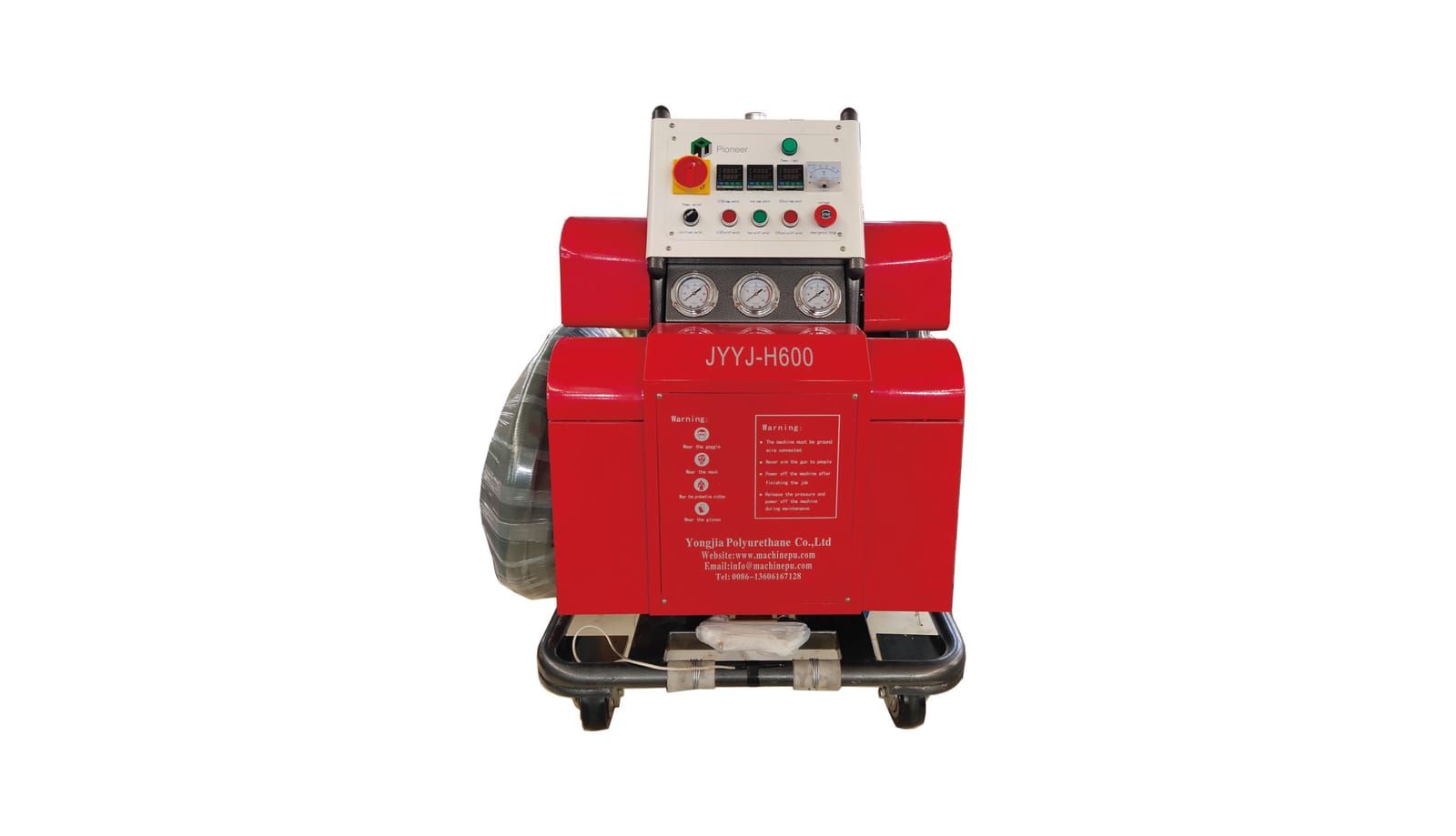
Оценочная общая стоимость инвентаря: 3000–6000 USD — доля от одного случая незапланированного простоя. При заказе новой ППУ-машины запросите у производителя рекомендуемый список запчастей на момент покупки — гораздо проще (и дешевле) отправить запчасти вместе с оригинальной машиной. Установки напыления добавляют обслуживание распылительного пистолета, наконечника и нагреваемого шланга, которое не покрывает приведённый выше чек-лист заливочной машины — наше руководство по типам и применению ППУ-машин напыления разбирает этот класс машин.
Строите завод? Смотрите наше руководство по производственной линии → Для полного завода изучите наши решения для производителей холодильников или отправьте нам возраст и режим работы вашей машины для индивидуальной рекомендации капремонт-против-замена.
Часто задаваемые вопросы
Как часто нужно менять гидравлическое масло в ППУ-машине?
Заменяйте гидравлическое масло раз в год или каждые 3000 часов работы, в зависимости от того, что наступит раньше. Отправляйте образец масла на лабораторный анализ ежемесячно — если содержание воды превышает 200 ppm или счёт частиц поднимается выше класса ISO 4406 18/16/13, меняйте масло раньше, независимо от часов.
Какова наиболее распространённая причина дефектов пены при вспенивании высокого давления?
Смешивание вне соотношения, вызванное износом уплотнений дозирующего насоса или засорёнными материальными фильтрами. Еженедельный тест соотношения свободного впрыска выявляет это до того, как дефектная продукция достигнет конца линии. Целевая точность соотношения: в пределах 3% от спецификации рецептуры.
Можно ли использовать обычное гидравлическое масло вместо рекомендованного производителем сорта?
Использование другого класса вязкости (например, VG 32 вместо VG 46) ускоряет износ насоса и аннулирует гарантию на машину. Всегда соответствуйте классу ISO VG, спецификации противоизносных присадок (HLP или HVLP) и классу чистоты, указанным в руководстве машины.
Сколько времени занимает ремонт смесительной головки?
Обученный техник может выполнить полный ремонт смесительной головки — замену уплотнений, поршня, седла сопла и очистку камеры — за 2–4 часа. Ключевое условие — наличие комплекта уплотнений на объекте заранее. Если головку нужно отправить обратно на завод, ожидайте оборот 3–6 недель плюс доставку.
Каковы ключевые советы по обслуживанию валов насоса и смесительной головки на вспенивающей машине?
Штоки поршней дозирующего насоса и шток очищающего поршня смесительной головки — наиболее изнашиваемые движущиеся детали ППУ-машины. Четыре совета по обслуживанию валов: (1) еженедельно осматривайте уплотнения вала на подтекание — тонкая плёнка изоцианата вокруг вала означает, что набивка выходит из строя и должна быть заменена до того, как она поцарапает вал; (2) держите валы свободными от кристаллизованного материала, промывая после каждого перерыва более 15 минут, поскольку высохший MDI действует как абразив на полированной поверхности вала; (3) ежемесячно проверяйте выравнивание вала и осевой люфт — люфт более 0,1 мм ускоряет износ уплотнений и гильзы цилиндра; (4) заменяйте уплотнения штока поршня комплектом во время ежемесячного техобслуживания, а не дожидаясь утечки. Изношенный вал, царапающий гильзу цилиндра, превращает работу за 15 USD по замене уплотнения в ремонт насоса за 800–2000 USD.
Какие меры предосторожности нужны при обслуживании систем изоцианата (MDI)?
MDI — респираторный сенсибилизатор с ПДК 0,005 ppm. Надевайте полнолицевой респиратор с картриджем для органических паров, химически стойкие перчатки и защитные очки от брызг при открытии любого соединения на стороне изоцианата. Работайте в вентилируемой зоне и держите комплект для устранения розлива MDI в пределах 5 метров. Никогда не нагревайте изоцианат выше 80 °C — разложение выделяет токсичные газы.
Продукты, упомянутые в статье
Готовы спланировать холодильный проект?
Поделитесь целевым объёмом и номенклатурой — наша инженерная команда ответит с планом мощности и коммерческим предложением в течение трёх рабочих дней.
Запросить инженерное предложениеПохожие статьи
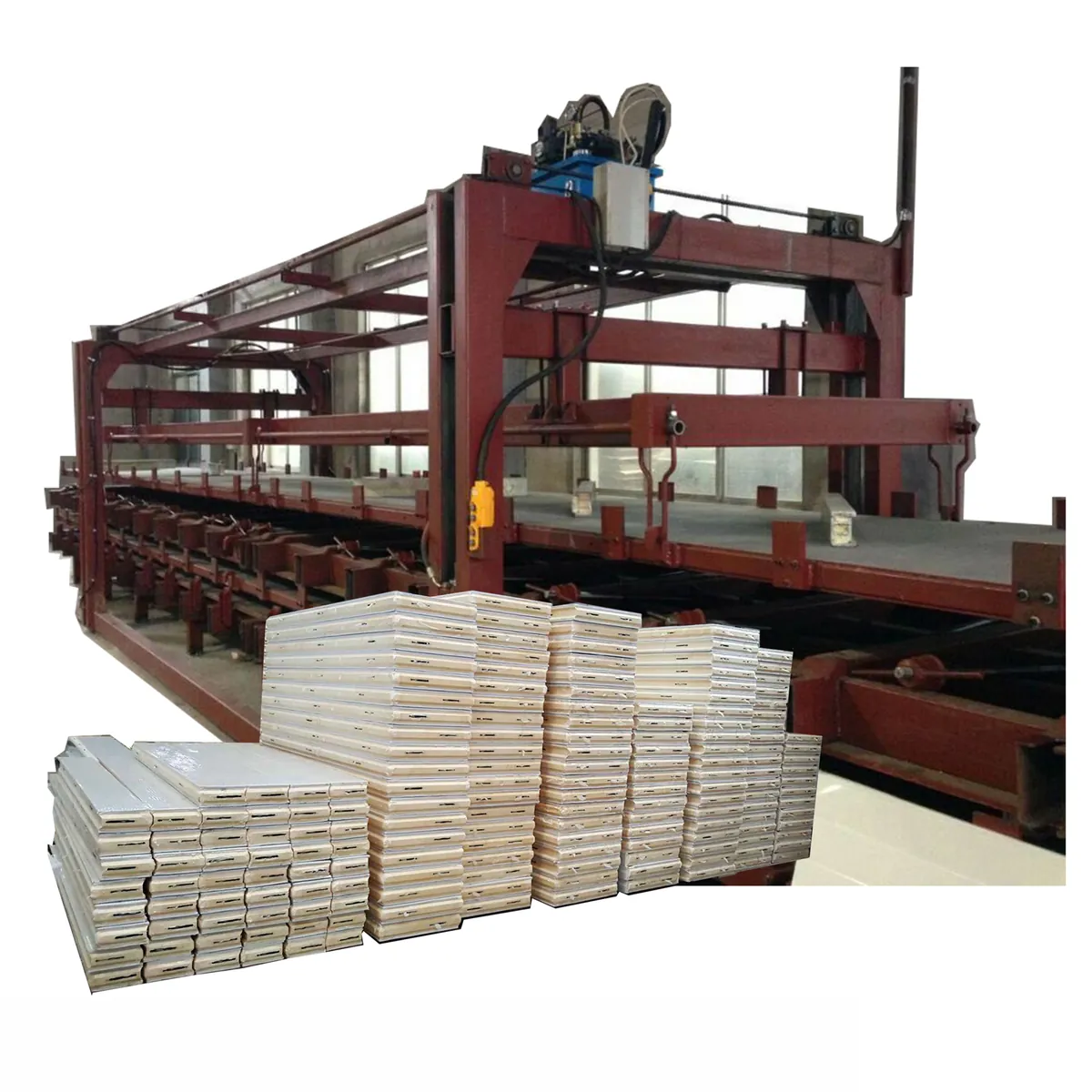
Cold Room Panel Manufacturers in the UAE: Why "Civil Defence Approved" Is Not One Question
In the UAE, a panel's paperwork has to satisfy a federal code, a product certification scheme, and an emirate-level listing — and Abu Dhabi has just formalised 54 local amendments of its own. A brochure line reading "Civil Defence approved" answers none of those three. Here is what to ask instead, why a European supplier's fire pack is the wrong currency here, and what a 45°C ambient does to the thickness you thought you needed.
Converting a Refrigerator Foaming Line to Cyclopentane: Retrofit vs New Machine, Cost and Timeline
Switching from HFC-245fa to cyclopentane is an equipment and safety-infrastructure project, not a raw-material swap. Here's how to decide between retrofitting an existing foaming machine and buying a new cyclopentane-ready one, what the safety infrastructure actually costs, and a realistic project timeline.
Freezer Mould Selection Guide: Chest vs Upright vs Display Cabinet
A freezer mould is not one product — chest (horizontal), upright and display (island / glass-door) freezers each need a different mould geometry, clamping load and cure schedule. This guide picks the right freezer mould family by cabinet size, volume and operating temperature.