
Configuración de la línea de producción de refrigeradores: planificación de capacidad, distribución de fábrica e inversión
La mayoría de los proyectos de línea nueva comienzan con una hoja de cálculo de cotizaciones de máquinas. Ese es el orden equivocado. Esta es la secuencia de planificación que usamos con propietarios de fábrica que emprenden su primer proyecto.
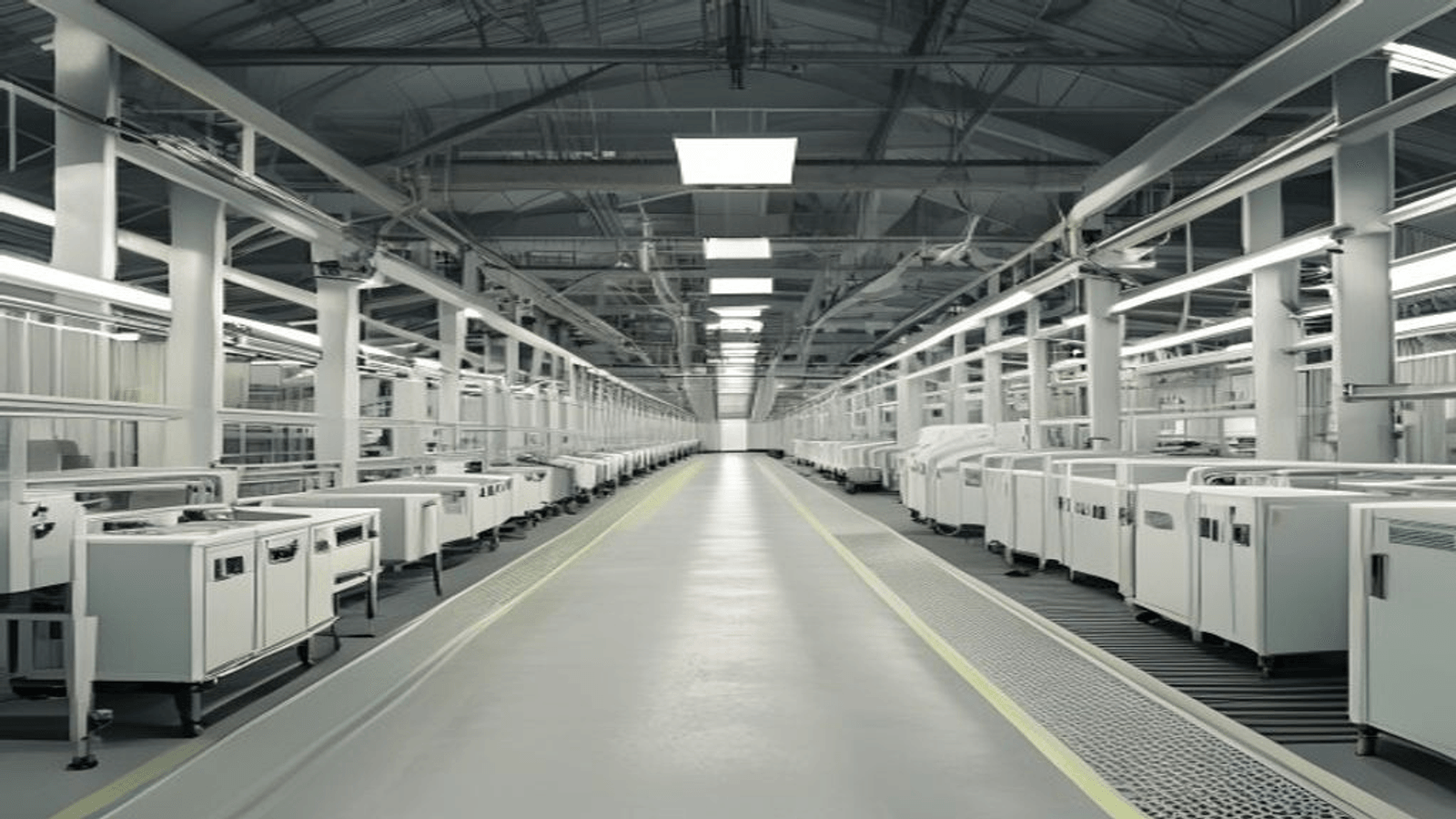
Secuencia de planificación: producción diaria objetivo → mezcla de productos → distribución de planta → equipo → servicios → presupuesto → cronograma. Una línea de 2.000 unidades/día necesita 6.000–7.500 m² de área de producción, USD 1,9M–3,2M de capex y 8–12 meses desde el contrato hasta la primera unidad.
La planificación empieza por la producción, no por el equipo
La mayoría de los proyectos de refrigeradores desde cero comienzan con una hoja de cálculo llena de cotizaciones de máquinas. Ese es el orden equivocado. La secuencia correcta es: producción diaria objetivo → mezcla de productos → distribución de planta → selección de equipo → infraestructura de soporte → presupuesto → cronograma. Saltarse los tres primeros pasos e ir directo a las cotizaciones de equipo significa que sobreinvertirá en capacidad que no podrá llenar, o subinvertirá y chocará con un techo de producción en menos de 18 meses.
Este artículo repasa la secuencia de planificación habitual que usamos con propietarios de fábrica que se preparan para iniciar la producción de refrigeradores, congeladores o enfriadores comerciales.
Paso 1 — Planificación de capacidad: unidades por día, no por año
Convierta su objetivo de ventas en producción diaria pico, no en tonelaje anual. Una línea diseñada para 500.000 unidades/año no es lo mismo que una línea diseñada para 2.000 unidades/día: los picos estacionales de demanda pueden superar el promedio en un 40-60%, y la mayoría de las fábricas no pueden mantener operación 24/7 en el ensamblaje de refrigeradores debido al cuello de botella del curado de la espuma.
- Tome el objetivo anual (por ejemplo, 500.000 unidades).
- Divida entre los días laborables efectivos (típicamente 280 días/año en la mayoría de los mercados).
- Eso da la producción diaria promedio (500.000 ÷ 280 = 1.786 unidades/día).
- Multiplique por el factor pico de 1,3 (para la variación estacional). Objetivo diario pico = 2.321 unidades/día.
- Añada un 15% de margen de capacidad de línea (para crecimiento futuro y paradas no programadas). Objetivo de diseño = 2.670 unidades/día.
Esta disciplina evita el fallo común de construir una línea que funciona el año 1 pero necesita reemplazo en el año 3.
Paso 2 — La mezcla de productos determina la configuración de la línea
Una línea que solo produce refrigeradores domésticos de 200 L es una bestia muy distinta de una que produce una mezcla de gabinetes de 120 L, 200 L, 300 L y 500 L. La pregunta no es "cuántas unidades" sino "cuántos SKU y con qué frecuencia hacemos cambios de formato".
- Líneas de un solo SKU pueden operar a 15-20 unidades/hora por estación con tiempos de ciclo de 5 minutos. Ideal para manufactura por contrato de alto volumen.
- Líneas de SKU mixto suelen bajar a 10-12 unidades/hora porque el cambio de molde de espumado toma 15-45 minutos. Los propietarios de marca OEM que arman su propio catálogo deben planificar para esto.
- Líneas modulares flexibles usan estaciones de espumado programables con moldes de cambio rápido. La producción se recupera a 13-16 unidades/hora, pero el capex sube un 25-35%.
Paso 3 — Área de planta de la fábrica
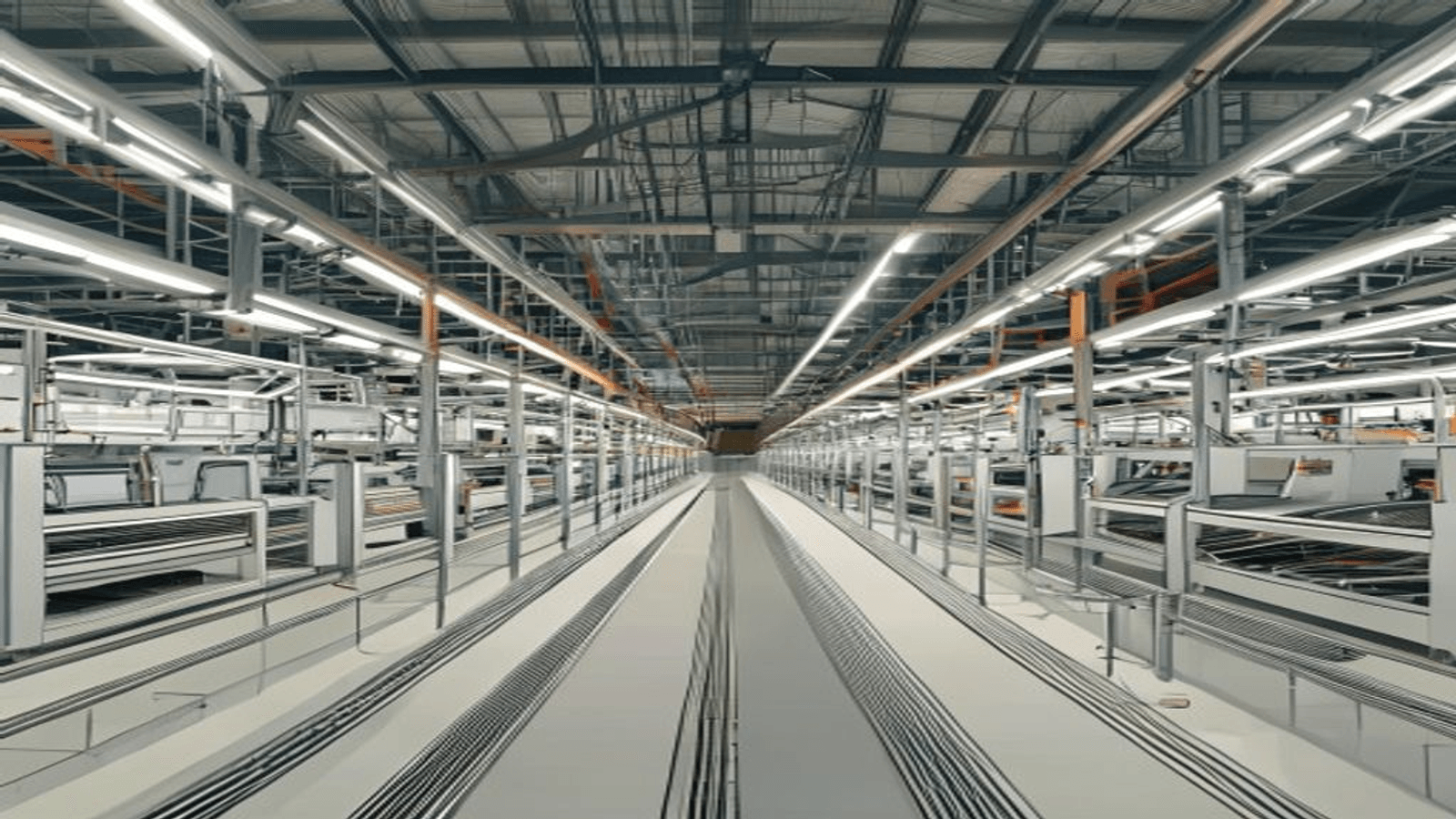
Una pregunta común: "¿Cuánta área de planta necesito para una línea de refrigeradores de 2.000 unidades/día?" La respuesta aproximada, para distribuciones modernas de fábricas asiáticas:
| Producción diaria | Longitud de línea | Área de fábrica (producción) | Almacenamiento y logística |
|---|---|---|---|
| 500 unidades/día | 80-100 m | 2.000-2.500 m² | +1.500 m² |
| 1.000 unidades/día | 120-150 m | 3.500-4.500 m² | +2.500 m² |
| 2.000 unidades/día | 180-220 m | 6.000-7.500 m² | +4.000 m² |
| 5.000 unidades/día | 250-300 m | 12.000-15.000 m² | +8.000 m² |
| 10.000 unidades/día | Dos líneas de 250 m | 22.000-28.000 m² | +15.000 m² |
Estas cifras son indicativas y asumen una distribución de una sola planta con nivel de entrepiso para pruebas. Las distribuciones de varias plantas son posibles, pero la complejidad del flujo de materiales aumenta significativamente.
Paso 4 — Recorrido por el conjunto de equipos
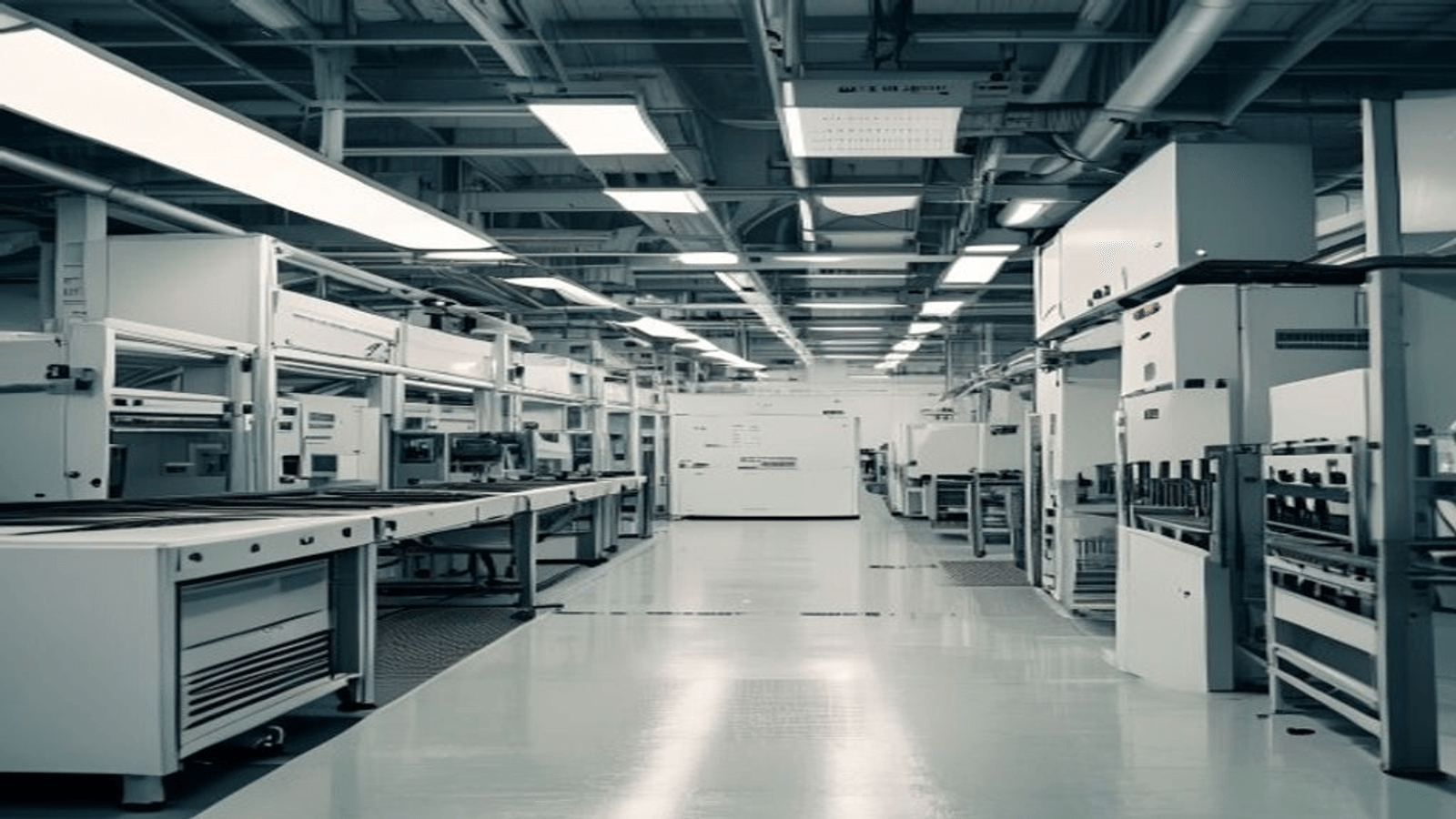
Una línea estándar de refrigeradores tiene ocho grupos de estaciones:
- Formado de gabinete — los gabinetes de acero preplegados llegan desde el taller de prensado. A menudo es una línea de alimentación separada.
- Formado de revestimiento — los moldes de termoformado al vacío estiran la lámina de ABS/HIPS en revestimientos interiores. Ciclo de 30-60 segundos.
- Formado de puerta — termoformado al vacío separado para los paneles interiores de la puerta.
- Espumado de gabinete — moldes de espumado + máquinas de PU de alta presión. 4-8 minutos de curado por gabinete. ¿Duda entre equipo de alta o baja presión? Nuestra guía comparativa cubre el marco de decisión.
- Espumado de puerta — línea de espumado paralela para puertas.
- Ensamblaje final — instalación de compresor, montaje de evaporador, cableado, estantes, sellos.
- Pruebas — prueba de fugas, prueba de enfriamiento, prueba de ruido, prueba de seguridad eléctrica, más verificación de consumo energético según los estándares de eficiencia de electrodomésticos del DOE de EE. UU..
- Empaque y etiquetado — cartón, esquineros de EPS, inserción de manual de usuario, paletizado.
Para una línea de producción de refrigeradores y congeladores llave en mano, los ocho grupos se integran con un sistema de transportador de cadena o indexado. Se admite capacidad entre 500 y 10.000 unidades/día con expansión modular.
Paso 5 — Desglose de la inversión
Para una línea doméstica de refrigeradores de 2.000 unidades/día, la inversión de capital típica en USD (excluyendo edificio y terreno):
- Moldes (termoformado al vacío + espumado + puerta): USD 350.000 – 550.000
- Máquinas de termoformado al vacío (2 unidades): USD 200.000 – 350.000
- Máquinas de espumado PU de alta presión (2 unidades): USD 180.000 – 280.000
- Transportador e integración de línea: USD 400.000 – 700.000
- Equipo de pruebas (prueba de fugas, prueba de desempeño, prueba de seguridad): USD 250.000 – 400.000
- Línea de empaque: USD 150.000 – 250.000
- Servicios (aire comprimido, agua enfriada, distribución eléctrica): USD 300.000 – 500.000
- Instalación, capacitación, FAT/SAT: USD 100.000 – 200.000
Inversión total típica: USD 1,9M – 3,2M para una línea de 2.000 unidades/día. Las líneas de paneles de cámara frigorífica y las líneas de cajas aislantes siguen una estructura de costos distinta, con menor inversión en moldeo pero mayores costos de transportador — para un desglose detallado vea nuestra guía de configuración de línea de paneles de almacenamiento en frío. La selección de espuma para estos paneles es una decisión de ingeniería aparte — vea nuestra guía de especificación de espuma aislante para refrigeradores. Su selección de agente espumante también afectará los costos de infraestructura de seguridad y el gasto químico a largo plazo — agentes inflamables como el ciclopentano conllevan requisitos de manejo resumidos en el programa SNAP de la EPA de EE. UU..
Paso 6 — Cronograma realista
- Factibilidad y diseño de distribución: 4-8 semanas
- Diseño y fabricación de moldes: 60-90 días
- Fabricación de equipo: 90-120 días (en paralelo con los moldes)
- Envío y despacho aduanero: 30-60 días según el puerto
- Instalación y puesta en marcha en seco: 30-45 días
- Producción de prueba y arranque hasta 80% OEE: 60-90 días
Total desde la firma del contrato hasta la primera unidad comercial: 8-12 meses para una línea estándar, 14-18 meses para una línea grande con personalización específica del sitio.
Cinco errores que descarrilan el cronograma
- Ordenar los moldes antes de congelar el diseño del gabinete. Cada cambio de molde después de cortado el acero cuesta 2-4 semanas y 15-25% del valor del molde.
- Subdimensionar el suministro de aire comprimido. Las estaciones de termoformado al vacío por sí solas suelen consumir el 30% del aire comprimido de una fábrica. Dimensione la sala de compresores para pico + 30%.
- Omitir la prueba de compatibilidad de materiales entre su sistema de PU específico y las bombas dosificadoras de la máquina de espumado. Los sistemas incompatibles causan obstrucción de filtros y desviación de dosificación. Esto es especialmente crítico al cambiar de agente espumante — cada uno requiere materiales de sello y ajustes de presión diferentes.
- No tener plan para las primeras 100 unidades. Las primeras 100 unidades de una línea nueva suelen fallar el control de calidad final. Planifique el presupuesto de desperdicio y los recursos de inspección en consecuencia.
- Estrategia de proveedor único por componente. Comprar moldes, máquinas de espumado y material PU por separado a tres proveedores sin relación funciona cuando los tres son maduros. No funciona para una primera instalación, donde la rendición de cuentas se vuelve imposible cuando algo falla. Trabaje con un integrador único que pueda responsabilizarse de la línea completa.
Qué hacer a continuación
Si está planificando una nueva línea de refrigeradores, congeladores, enfriadores comerciales o cámaras frigoríficas, la forma más rápida de obtener una cotización y cronograma realistas es compartir su producción objetivo, mezcla de productos y dimensiones del sitio. Respondemos con un plan de capacidad, lista de equipo, boceto de distribución y cronograma del proyecto en tres días hábiles. Contacte a nuestro equipo de ingeniería, o vea la especificación completa en nuestra página de línea de producción PU de riel a nivel de suelo.
Análisis técnicos relacionados
Para el cálculo de producción de línea de ensamblaje con ciclo de 20 segundos y 26 estaciones, vea Producción de la línea de riel a nivel de suelo de 26 estaciones. Para la variante de espumado de bases chef y mostradores refrigerados que corre en la misma línea, vea Análisis a fondo del espumado PU de bases chef. Para el espumado de paneles de gabinete HVAC AHU que comparte la tecnología de molde y prensa, vea Línea de espumado de paneles HVAC AHU. Para la especificación de línea de producción OEM de refrigeradores médicos, vea Fabricante OEM de refrigeradores médicos en China: guía pilar del comprador. Para el espumado de neveras portátiles y transportadores de vacunas que usa la misma tecnología PU de baja presión, vea Núcleo de espuma PU para nevera portátil.
¿Cuánto cuesta instalar una línea de producción de refrigeradores?
Una línea de producción de refrigeradores completa para 500-2.000 unidades/día típicamente requiere USD 2-8 millones en inversión de equipo, cubriendo moldes (USD 130K-370K), máquinas de espumado PU (USD 200K-800K), máquinas de termoformado al vacío (USD 150K-500K), transportador de ensamblaje (USD 100K-300K), y equipo de pruebas. El edificio de la fábrica, servicios y capital de trabajo son adicionales.
¿Qué espacio de planta se necesita para una línea de producción de refrigeradores?
Una línea de refrigeradores de 1.000 unidades/día típicamente requiere 5.000-8.000 m² de espacio de planta de producción más 2.000-3.000 m² para almacenamiento de materia prima, acopio de producto terminado y salas de servicios. La altura del techo debe ser de al menos 8 metros para el sistema de grúa de la estación de espumado. La eficiencia de la distribución depende del flujo de materiales — las distribuciones en U o en L minimizan la distancia de recorrido de los montacargas.
¿Cuánto tiempo toma construir una línea de producción de refrigeradores desde cero?
Desde la colocación del pedido hasta la primera unidad de la línea: 8-14 meses. Esto incluye 2-3 meses para el diseño y fabricación de moldes, 3-4 meses para la fabricación de máquinas de espumado y formado, 2-3 meses para envío e instalación, y 1-2 meses para puesta en marcha y pruebas piloto. Los constructores de fábrica primerizos deben planificar 12+ meses.
¿Qué producción diaria debo planificar al iniciar una nueva fábrica de refrigeradores?
Para una entrada primeriza, 300-500 unidades/día es un punto de partida práctico — suficientemente grande para lograr economías unitarias pero manejable en términos de inversión y complejidad operativa. Diseñe la distribución de la fábrica y los servicios para su objetivo a 3 años (a menudo 1.000-2.000/día) pero invierta en equipo para el volumen actual. Máquinas clave como espumado y termoformado al vacío se pueden actualizar sin reconstruir la línea.
¿Puedo producir varios modelos de refrigerador en la misma línea de producción?
Sí. Las líneas de producción modernas manejan 3-5 tamaños de gabinete diferentes en la misma línea usando sistemas de moldes de cambio rápido y gestión de recetas por PLC. El tiempo de cambio de formato es típicamente 15-30 minutos para moldes y 5 minutos para parámetros de espumado. Las fábricas que producen más de 10 SKU por semana pueden beneficiarse de una estación de espumado de baja presión para modelos de lotes pequeños junto a la línea principal de alta presión.
Productos mencionados en este artículo
¿Listo para planificar su proyecto de refrigeración?
Comparta su objetivo de producción y mezcla de productos — nuestro equipo de ingeniería responde con un plan de capacidad y cotización en tres días hábiles.
Solicitar cotización de ingenieríaArtículos relacionados
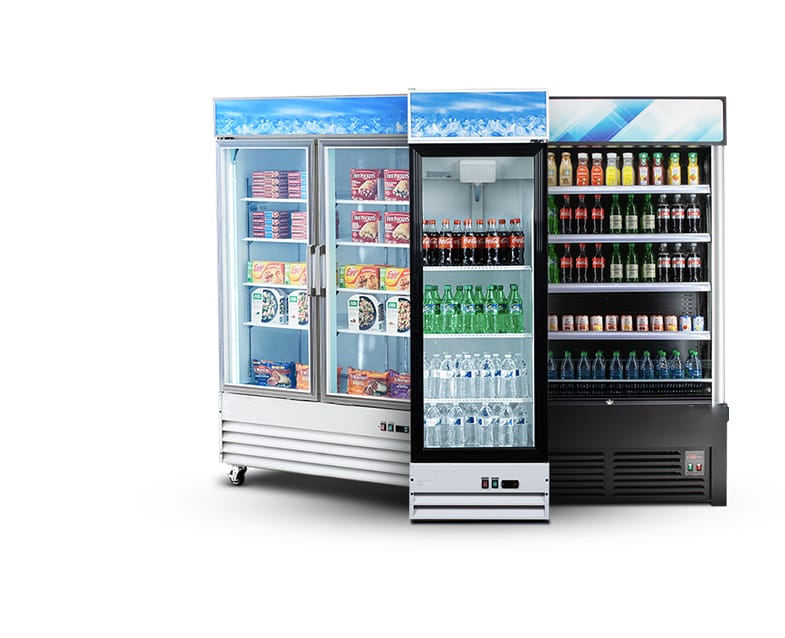
Beverage Cooler Production Line — Cost, Payback & Turnkey Setup (2026 Pillar Guide)
Investment tiers from a single-door entry line to a full bottler-program build, the payback math behind a 3,000-unit/day line, and the complete equipment list and certification checklist a beverage cooler OEM needs to go from contract to first shipment.
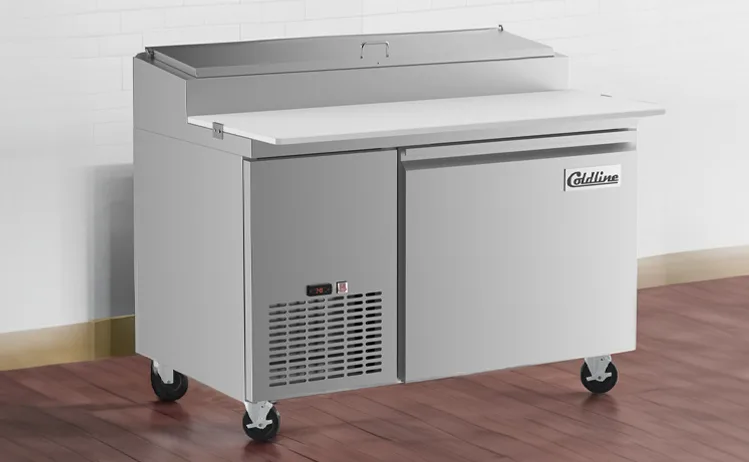
Chef Base Production Line: Cost, Break-Even & Turnkey Manufacturing (2026 Pillar Guide)
Investment tiers, the break-even math behind an 800-unit/day line, and the full equipment list and certification checklist a foodservice OEM needs to start chef base and refrigerated-counter production.
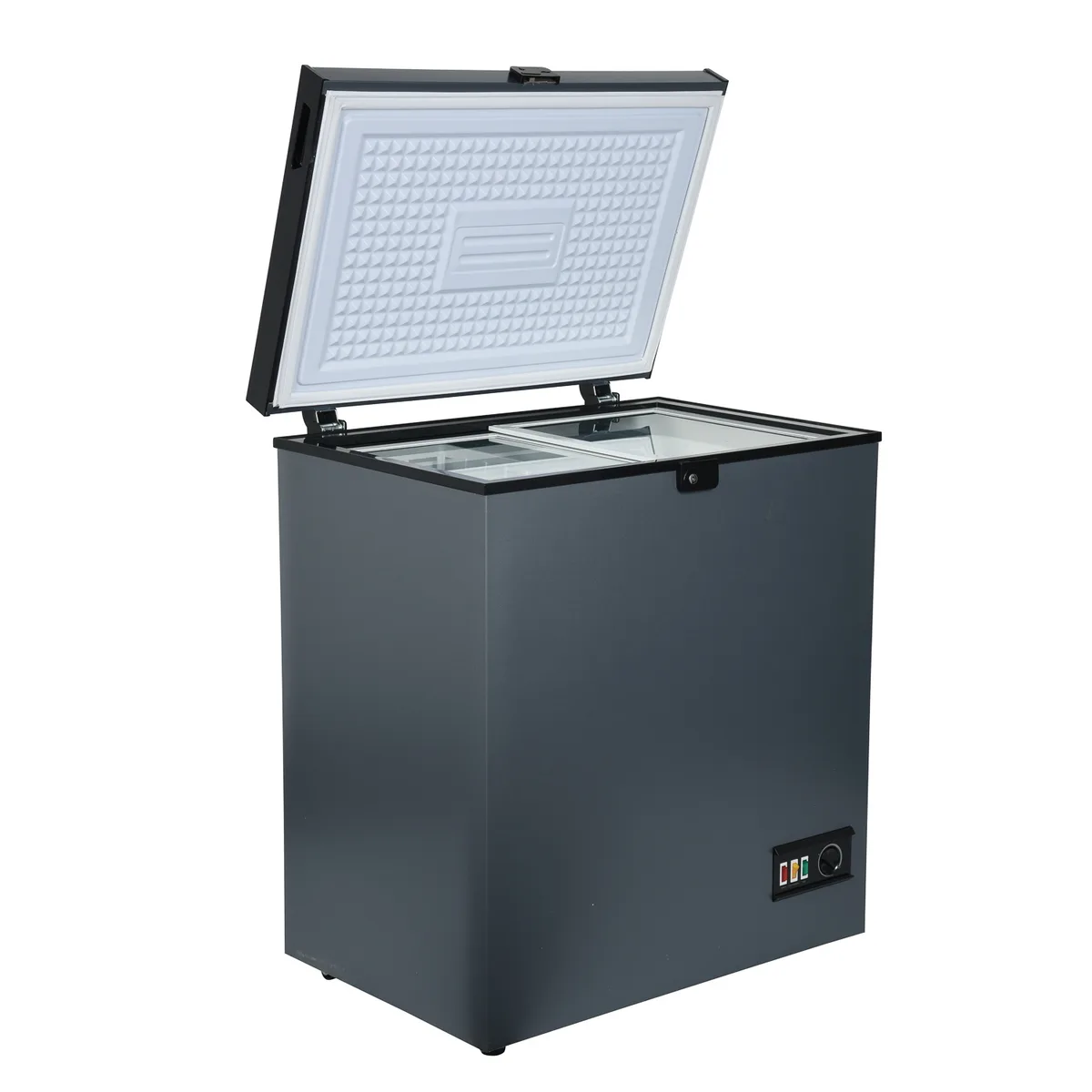
Chest Freezer Production Line — Cost, Capacity & Turnkey Factory Setup (2026 Pillar Guide)
Investment tiers from a 300-unit/day entry line to a 3,000-unit/day ultra-low-temperature build, the ATEX and Ecodesign pitfalls that stall first-time freezer OEMs, and the complete equipment list, mould selection logic and staffing plan needed to go from contract to first accepted cabinet.