
Cigar Humidor Manufacturing Plant: Cost, ROI & Turnkey Setup (2026 Pillar Guide)
From market entry to first commercial cabinet: the 8-step sequence, three investment tiers with real cost ranges, and the equipment list a new cigar humidor manufacturing line actually needs.

Starting a cigar humidor manufacturing line is a precision, lower-volume investment, not a scaled-down refrigerator plant: USD 500K-2.2M across three tiers (single size platform through the full 20-800 cigar three-platform range), 5-7 months contract to first shipment, and a completely different machine class — low-pressure metering instead of high-pressure high-throughput. The two things first-time entrants get wrong most often: sizing the line off refrigerator-plant economics (wrong cost driver — reject rate and cabinet value matter more than cycle speed here), and treating humidity control as a secondary spec instead of the cabinet's entire reason for existing.
A cigar humidor manufacturing line is priced and engineered differently from a refrigerator plant, even though both roll off a PU-foaming production floor: investment runs USD 500,000-2,200,000 across three entry tiers, lead time is 5-7 months contract to first shipment, and the core machine class is low-pressure precision metering rather than high-pressure high-throughput. Buyers who scope this project using refrigerator-plant assumptions — high-volume cycle speed, single foam recipe, minimal humidity tolerance — consistently over-spec the wrong equipment and under-budget the part that actually protects margin: a void-free, vapor-tight cabinet wall that holds a narrow relative-humidity band for years.
This guide walks a first-time cabinet manufacturer or an existing display-cabinet OEM diversifying into premium tobacco retail through the full sequence: market sizing and the 8-step setup path, the investment decision with real cost tiers and ROI math, and the procurement details — equipment list, line layout, and foaming machine selection — needed to build the line itself.
Market Size and Why Cigar Humidor Manufacturing Is a Distinct Entry Point
Premium cigar retail and luxury hospitality (private clubs, hotel humidor lounges, tobacconist showrooms) both depend on the same underlying product: a cabinet that holds cigars at 65-72% relative humidity and 16-21°C without the drift that dries out a wrapper or invites mould. That single requirement — humidity precision, not cold — is what separates this from every other cabinet category on a foaming line.
Cigar humidor manufacturing is structurally different from refrigeration-cabinet manufacturing as a market to enter:
Sourcing teams search for this equipment under several different names — cigar cabinet factory, cigar humidor cabinet manufacturing, or cigar cases manufacturing plant cost — they all point to the same production scope covered on our solution page.
- Precision over volume. A refrigerator OEM competes on cycle speed and cost per unit at hundreds of cabinets per shift. A humidor manufacturer competes on finish quality, RH-hold consistency and reject rate at 50-500 units per shift — a fundamentally different production economics.
- The wall has to out-perform standard foam by 5x. Cabinet foaming for humidity hold needs vapor-transmission rate under 0.3 g/m²/24h. Standard refrigerator foaming (under 1.5 g/m²/24h) loses 5-10% RH per week and ruins cigar quality — see our cigar humidor cabinet PU foam deep dive for the engineering behind why.
- Small-batch, multi-SKU is the normal order pattern, not the exception. Most buyers order 1,500-4,000 units per year per SKU across 3-5 SKUs (countertop through floor-standing), not one high-volume run — which changes tooling strategy from day one.
Most new entrants underestimate how much of the cost driver is finish and humidity-hold reliability rather than raw throughput. The 8-step sequence below is built around getting the foam-engineering decision right before committing to tooling.
The 8-Step Sequence to Start a Cigar Humidor Manufacturing Line
- Define your cabinet matrix first, not your budget. Countertop (20-cigar), personal (100-200 cigar) and floor-standing (up to 800-cigar) cabinets each need their own mould — decide your SKU range before pricing anything.
- Set your target RH and temperature band. 65-72% RH and 16-21°C is the connoisseur-grade standard; confirm whether your market segment (tobacconist retail vs luxury hospitality) needs tighter tolerance (±0.5°C / ±2% RH) or standard tolerance.
- Choose low-pressure over high-pressure foaming. Humidors favor precision low-pressure metering — clean finish, lower volume — over the high-throughput high-pressure systems refrigerator plants use. See our high-pressure vs low-pressure PU foaming machine comparison for the underlying trade-off.
- Source your cedar hardware supply chain in parallel with tooling. Spanish-cedar (Cedrela odorata) shelving and drawer fronts are a separate procurement track from the foaming line — start it early so it doesn't become the bottleneck.
- Scope mould count against your SKU plan. Each cabinet size or style needs its own display-cabinet or door fixture mould; more SKUs from day one means more up-front tooling investment.
- Decide your automation level. Manual pour, metered ratio control, or a semi-automated line — this is a labor-cost-vs-repeatability decision, not just a budget line.
- Build vapor-transmission and dimensional-stability testing into your QA plan from the start. ASTM E96 for vapor transmission and ASTM D2126 for dimensional stability under humid heat aren't optional add-ons — they're what catches a bad mould or recipe before it reaches a customer's showroom.
- Order compressor and vibration isolation to spec. Premium cigars are sensitive to micro-vibration during aging; target under 30 dB measured at 1 m, well below the 38 dB threshold acceptable for a wine cabinet.
Three Pitfalls That Delay First Shipment
- Sizing the line off refrigerator-plant cycle-speed assumptions. A humidor line's bottleneck is cure-dwell and finish quality, not injection speed — over-speccing for throughput wastes capital on capacity you won't use.
- Treating the cedar hardware kit as an afterthought. Wood sourcing and finishing (typically USD 35-95 per cabinet) runs on its own lead time; starting it after the foaming line is built routinely adds 4-8 weeks to first shipment.
- Skipping vapor-transmission testing until after tooling is committed. A mould that passes visual inspection but fails ASTM E96 vapor-transmission spec means scrapping or reworking tooling after the largest capital outlay is already made.
Reference Configuration — Multi-SKU Entry Line
The following is a typical capability profile for a first-time cigar humidor manufacturing line, not a specific client result: a manufacturer entering with a 3-SKU range (countertop, personal, floor-standing) targeting 150 units/shift across the mix. Tooling covers three mould platforms from a single contract, low-pressure metered foaming holds the 65-72% RH / 16-21°C target, and cedar hardware kits are sourced through a partner woodshop network rather than built in-house. This configuration sits at the middle of the three-tier range below — see the cigar cabinet factory solution page for the full cost-driver breakdown behind numbers like these.
Certification Checklist — What Has to Be in Place Before You Can Sell
Cigar humidor manufacturing carries a lighter regulatory load than medical or food cold chain, but three items are still non-negotiable:
- CE / UL electrical safety certification on the cabinet itself (standard refrigeration-cabinet electrical certification — the compressor and control electronics, not the cabinet body).
- FSC-chain-of-custody documentation if your cedar hardware sourcing needs to support a sustainability claim to luxury retail buyers.
- Tobacco regulatory compliance is not your responsibility. FDA Tobacco Products or EU TPD certification applies to the cigars themselves, not the cabinet — this is a common point of confusion for first-time entrants who over-scope their own certification budget.
What's explicitly out of scope for the equipment supplier: the finished cabinet brand, the active humidification electronics, and any tobacco-retail compliance — all of that belongs to the manufacturer running the line.
Decision: Which Entry Tier Should You Build?
One-line answer: if you're entering with a single cabinet size and a defined retail channel, start at Tier 1 (USD 500K-750K); if you're launching a 3-tier product collection (entry/premium/flagship) from one tooling investment, Tier 2 (USD 900K-1.5M) is the standard first build; Tier 3 (USD 1.6M-2.2M) is for manufacturers committing to the full 20-800 cigar range across all three mould platforms from day one.
Three-Tier Investment Comparison
| Tier | Mould platforms | Target output | Investment | Best for |
|---|---|---|---|---|
| Tier 1 — Entry | 1 size platform | 50-100 units/shift | USD 500K-750K | Single-SKU launch, defined retail channel |
| Tier 2 — Multi-SKU | 2 size platforms | 150-300 units/shift | USD 900K-1.5M | 3-tier collection launch (entry/premium/flagship) |
| Tier 3 — Full range | 3 size platforms | 300-500 units/shift | USD 1.6M-2.2M | Full 20-800 cigar range, multiple retail/hospitality channels |
ROI Example — Tier 1 Entry, 75 Units/Shift
A Tier 1 line (USD 500K-750K, single size platform) running one 8-hour shift at 75 units/day, 220 production days/year, produces roughly 16,500 units annually. At a typical wholesale price for a premium 100-200 cigar capacity humidor (USD 800-1,500 depending on finish and cedar grade), even a conservative blended average of USD 1,000/unit puts annual revenue in the USD 16.5M range against a cost of goods that includes the USD 35-95/cabinet cedar hardware cost plus foam, cabinet materials and labor. Payback on the tooling and line investment for a manufacturer with an existing retail or hospitality distribution channel typically falls in the 18-30 month range — the wide spread reflects how much reject rate (driven by foam-wall vapor-transmission consistency) affects realized margin more than raw production speed does.
Hidden Costs First-Time Entrants Miss
- Cedar hardware sourcing lead time — 4-8 weeks if not started in parallel with tooling, per the pitfall above.
- Vapor-transmission and dimensional-stability testing infrastructure — ASTM E96 and ASTM D2126 test setup, either in-house or through a contract lab, budgeted as ongoing QA cost, not a one-time certification expense.
- Compressor and vibration isolation hardware — the under-30dB spec needs reinforced isolation pockets molded into the cabinet fixture, not an aftermarket add-on.
- Multi-SKU mould maintenance — three mould platforms running 200-500 unit batches per SKU means more changeover and mould-maintenance cycles than a single-SKU high-volume line.
Delivery Timeline — Contract to First Shipment
5-7 months contract to first shipment is the realistic range across all three tiers — tooling and foaming-line manufacturing lead time runs in parallel with cedar hardware sourcing and QA infrastructure setup, not in sequence. Minimum tooling order for a single size platform is USD 280K; minimum production batches typically run 200-500 units per SKU, with most clients ordering 1,500-4,000 units per year per SKU across 3-5 SKUs.
Procurement: What the Production Line Actually Needs
Full Equipment List
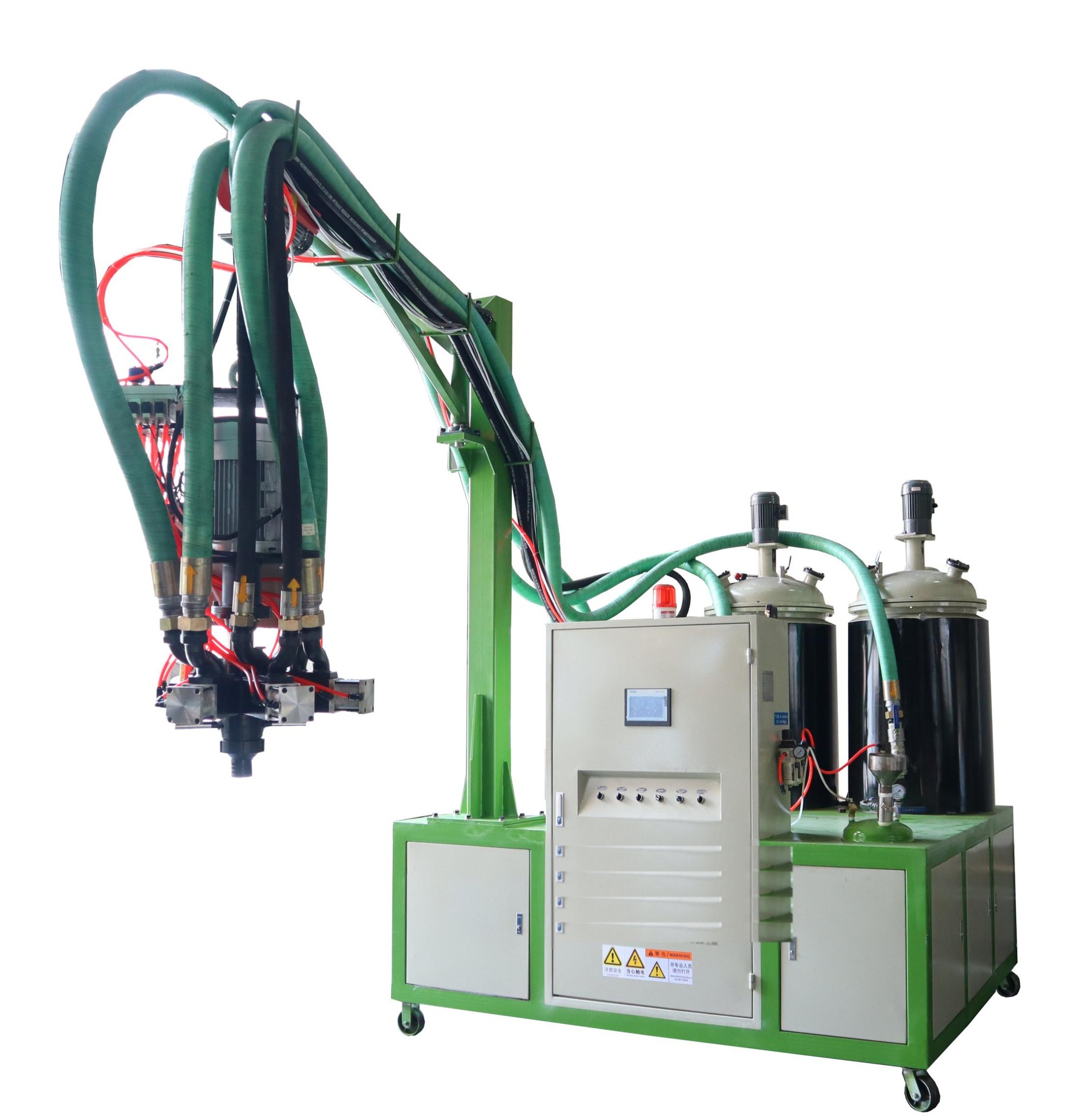
- Low-pressure PU foaming machine (metered ratio control, precision finish)
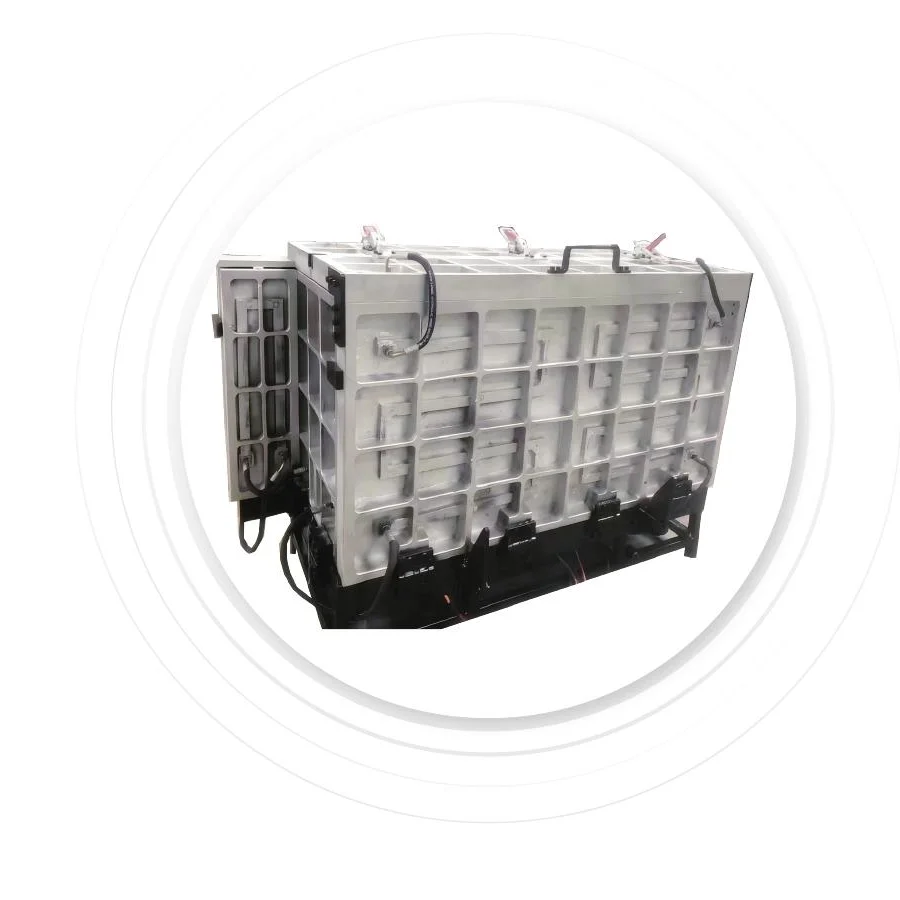
- Display-cabinet foaming moulds — one per cabinet size platform (countertop / personal / floor-standing)
- Door fixture moulds — matched to each cabinet size platform
- Cure-dwell assembly stations
- Compressor isolation fixture inserts (under-30dB spec)
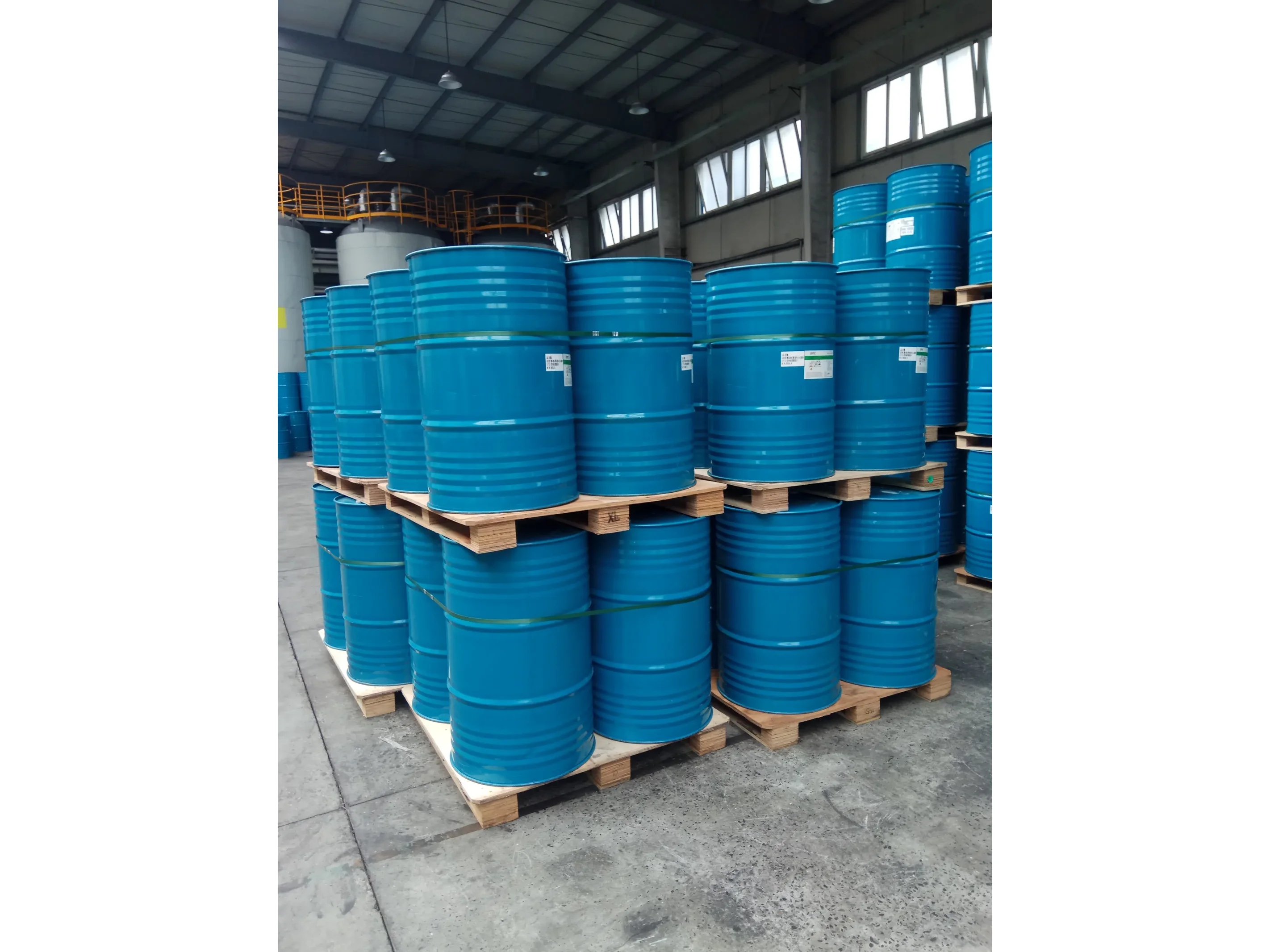
- PU raw materials formulated for vapor-transmission rate under 0.3 g/m²/24h
- Cedar hardware kit (sourced through partner woodshop network — pre-cut, pre-finished shelving and drawer fronts)
Production Line Layout
A cigar humidor line is laid out around cure-dwell capacity rather than throughput speed: foaming station, cure-dwell buffer sized to the vapor-transmission cure time your recipe needs (longer than a standard refrigerator foam cure), cabinet assembly and cedar hardware fitting, then final QA (vapor-transmission spot check, dimensional check, compressor isolation test) before packing. Floor layout scales with mould-platform count — a Tier 3 three-platform line needs proportionally more floor space for parallel cure-dwell buffering across SKUs, not more foaming stations.
PU Foaming Machine Selection Decision Tree
- Is your target output under 500 units/shift across all SKUs? → Low-pressure metered system. Above that, revisit whether you're actually building a humidor line or a hybrid cabinet plant, since high-pressure systems become relevant past this volume.
- Do you need instant recipe switching between SKUs in the same shift? → Dual mixing-head low-pressure configuration; single mixing head if your SKUs run in separate batches rather than interleaved.
- Is vapor-transmission rate under 0.3 g/m²/24h achievable with your current polyol system? → If not, this is a raw-material reformulation question before it's a machine question — see our PU foam density and K-factor guide for how formulation drives wall performance.
- What's your finish-quality tolerance? → Precision low-pressure metering (±0.5% accuracy) for premium/flagship SKUs; standard low-pressure tolerance is acceptable for entry-tier countertop units.
Raw Material Checklist
- Polyol system formulated for vapor-transmission rate under 0.3 g/m²/24h (not standard refrigerator-grade polyol)
- Isocyanate matched to the low-pressure metering system's cycle time
- Cedar hardware — Spanish cedar (Cedrela odorata), pre-cut and pre-finished
- Compressor isolation foam inserts
Staffing for a New Line
A Tier 1-2 line (75-300 units/shift) typically runs 6-8 production and QA staff per shift: 1-2 foaming operators, 2-3 cabinet assembly and cedar-fitting technicians, 1 dedicated QA technician (vapor-transmission and dimensional spot checks), 1 packing/finishing technician, and 1 line supervisor. Under-staffing the QA role is the most common cause of downstream reject-rate problems, since a vapor-transmission failure isn't visible until the cabinet is in service.
After-Sales and Support Plan to Budget For
Budget for mould maintenance cycles (more frequent than a single-SKU line, given 3-5 SKU rotation), foaming-machine metering recalibration, and a documented vapor-transmission re-test protocol for your own ongoing production QA — not just factory-acceptance testing at commissioning.
FAQ
FAQ
How much capital do I need to start a cigar humidor manufacturing line?
Entry-tier (single size platform, 50-100 units/shift) needs USD 500,000-750,000. A multi-SKU Tier 2 line (2 platforms, 150-300 units/shift) needs USD 900,000-1.5M. A full-range Tier 3 line (3 platforms, 300-500 units/shift) needs USD 1.6M-2.2M. Building shell, utilities and working capital are additional.
How long does it take from contract to first shipment?
5-7 months across all three tiers. Cedar hardware sourcing and QA infrastructure setup should run in parallel with tooling and foaming-line manufacturing, not after it — starting them late is the most common cause of schedule slip.
Is a cigar humidor line cheaper to build than a refrigerator line?
The cost structure is different rather than simply lower. A humidor line is a precision, lower-volume setup built around low-pressure metering and a tight vapor-sealed wall; a refrigerator plant is a high-throughput, high-pressure setup sized for hundreds of cabinets per shift. Pricing is scoped per cabinet mix and target output, not per category.
Does the equipment supplier handle tobacco regulatory certification?
No. Tobacco regulatory certification (FDA Tobacco Products, EU TPD) applies to cigars, not cabinets. The cabinet only needs CE/UL electrical safety certification — standard refrigeration-cabinet certification, not a tobacco-specific requirement.
What daily output should a first-time cigar humidor manufacturer target?
50-100 units/shift on a single size platform is a practical entry point — large enough to support unit economics on a 3-5 SKU annual order pattern of 1,500-4,000 units per SKU, small enough to keep tooling investment and mould-count manageable. Scale to a multi-platform Tier 2 line once your first retail or hospitality channel is validated.
What's the biggest reason first-time humidor manufacturers miss their launch date?
Starting cedar hardware sourcing after the foaming line is built instead of in parallel. Wood sourcing and finishing lead time routinely adds 4-8 weeks to first shipment when it's treated as a downstream step rather than a parallel track from contract signing.
What vapor-transmission rate does the cabinet wall need to hold humidity?
Under 0.3 g/m²/24h, tested to ASTM E96. Standard refrigerator-grade foaming (under 1.5 g/m²/24h) loses 5-10% relative humidity per week, which is enough to dry out cigar wrappers and ruin cabinet quality within a single storage cycle.
How many mould platforms does a full-range humidor line need?
Three: countertop (roughly 20-cigar capacity), personal (100-200 cigar), and floor-standing (up to 800-cigar). Most manufacturers launch a 3-tier product collection — entry, premium, flagship — from these three platforms rather than building a single oversized mould.
Can an existing display-cabinet manufacturer convert a line to humidor production?
Partially. The cabinet-forming and assembly infrastructure can often be reused, but the foaming system typically needs to switch from standard-grade to vapor-transmission-optimized polyol and, in most cases, from high-pressure to low-pressure metering — which is closer to a new machine purchase than a retrofit.
What's the minimum production order for a cigar humidor manufacturing line?
Minimum tooling order is USD 280,000 for a single size platform. Minimum production batches typically run 200-500 units per SKU — the premium cigar market does not support high-volume single-batch runs, so tooling is sized for repeated smaller batches across a 3-5 SKU range rather than one large production run.
Related engineering deep-dives
For the foam-engineering reasoning behind why a humidor cabinet is specified so differently from a cold-chain fridge — the vapor barrier, the condensation risk, dimensional stability — see Cigar Humidor Cabinet PU Foam Deep Dive. For the machine-class decision this guide's procurement section is built on, see High-Pressure vs Low-Pressure PU Foaming Machine.
Ready to scope your cigar humidor manufacturing line? Talk to our engineering team with your target cabinet matrix and RH band — we reply with an equipment list, mould-platform recommendation and realistic timeline within three business days, or browse the cigar cabinet factory solution page for the full cost-driver breakdown.
Produtos mencionados neste artigo
Pronto para planear o seu projeto de refrigeração?
Partilhe o seu objetivo de produção e mix de produtos — a nossa equipa responde com plano de capacidade e cotação em três dias úteis.
Pedir cotação de engenhariaArtigos relacionados
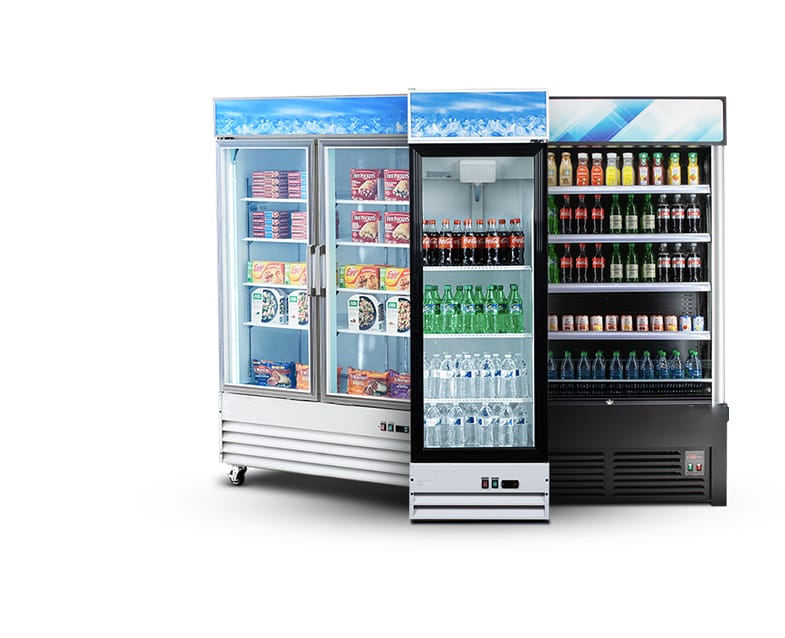
Beverage Cooler Production Line — Cost, Payback & Turnkey Setup (2026 Pillar Guide)
Investment tiers from a single-door entry line to a full bottler-program build, the payback math behind a 3,000-unit/day line, and the complete equipment list and certification checklist a beverage cooler OEM needs to go from contract to first shipment.
Chef Base Production Line: Cost, Break-Even & Turnkey Manufacturing (2026 Pillar Guide)
Investment tiers, the break-even math behind an 800-unit/day line, and the full equipment list and certification checklist a foodservice OEM needs to start chef base and refrigerated-counter production.
Chest Freezer Production Line — Cost, Capacity & Turnkey Factory Setup (2026 Pillar Guide)
Investment tiers from a 300-unit/day entry line to a 3,000-unit/day ultra-low-temperature build, the ATEX and Ecodesign pitfalls that stall first-time freezer OEMs, and the complete equipment list, mould selection logic and staffing plan needed to go from contract to first accepted cabinet.