
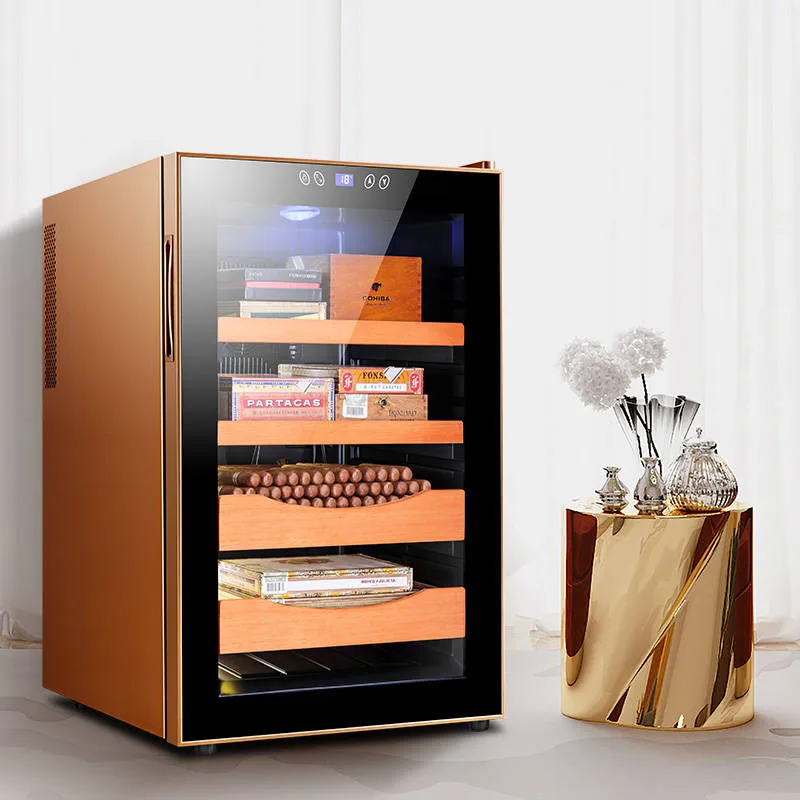
Production line for
Cigar Humidor Cabinet PU Foaming Line Manufacturer
Cigar humidors sit between wine cabinets and specialty refrigeration — they require precise humidity control (65 – 72% RH) alongside temperature stability (16 – 21°C). We supply the foaming moulds, door moulds, low-pressure PU foaming systems and Spanish-cedar-lined hardware kits for premium humidor production.
Investment Range
USD 500K – 2.2M · 50 to 500 units/shift
Who Buys This Line
Cigar humidor OEMs supplying tobacconist retail & luxury hospitality
Certification Ready
CE · RoHS · FSC wood finishing ready
In one line
Dual control: temperature ±1°C and humidity ±3% RH — the connoisseur-grade specification premium cigar brands demand.
Whether you call it a cigar humidor line, a cigar cabinet factory setup, or cigar cases manufacturing, the equipment scope is the same: foaming moulds, door moulds, low-pressure PU systems and cedar-lined hardware kits. Buyers researching “cigar cabinet factory” equipment typically compare this against general refrigeration-cabinet lines — the difference is humidity precision (65–72% RH) that a standard fridge line can’t hold.
What drives the cost of a cigar humidor manufacturing line
Cigar cases manufacturing plant cost, in one line: a complete UREXCEED cigar humidor cabinet line runs USD 500,000–2,200,000 depending on cabinet mix and target output, with the same four cost drivers below applying whether you scope it as a cabinet factory, a humidor line, or a cigar cases production plant.
A cigar humidor line is not priced off a single sticker. The investment is set by four decisions, and telling us where you land on each is what lets us scope an accurate quote rather than a guess.
| Cost driver | Why it moves the budget | What we need from you |
|---|---|---|
| Line scale / target output | Tens-per-day display-cabinet lines and hundreds-per-day mixed lines need very different fixture counts and cure-dwell capacity | Cabinet sizes plus target units per shift |
| High- vs low-pressure foaming | Humidors favour precision low-pressure metering (clean finish, lower volume) over the high-pressure high-throughput systems used on refrigerator plants — a different machine class and a different cost base. See high-pressure vs low-pressure PU foaming machines for the trade-off. | Volume band and finish requirement |
| Mould count and cabinet mix | Each cabinet size and style needs its own display-cabinet or door fixture mould; more SKUs means more tooling | Your cabinet matrix (glass-front, personal, walk-in, dual-zone) |
| Automation level | Manual pour, metered ratio control on a PU foaming machine, or a semi-automated line — each changes labour cost and repeatability | Labour cost vs throughput priority |
How payback actually works here. Because a humidor line is a precision, lower-volume setup rather than a high-throughput refrigerator plant, the payback conversation is driven by cabinet value and reject rate, not raw cycle speed. A void-free, dimensionally stable wall that keeps the door seal tight for years is what protects margin, since a single fill void becomes a condensation point that scraps a finished cabinet. That is why we hold the foam wall to water-vapour and hygrothermal ageing benchmarks — ASTM E96 for vapour transmission and ASTM D2126 for dimensional stability under humid heat.
What is in scope, and what is not. We supplies and commissions the metered PU foaming system, the display-cabinet and door fixture moulds, the cure-dwell assembly line and the closed-cell PU raw materials. The finished cabinets, the active humidification electronics and any branding or tobacco-retail compliance belong to the manufacturer who runs the line. Line specifications are detailed in our cigar humidor OEM spec sheet, and the foam engineering behind the wall is covered in cigar humidor cabinet PU foam.
Getting a real number. Tell us your cabinet sizes, target RH band and target output, and we will scope the foaming system, moulds and floor layout and come back with a line quote for your mix.

What You Need
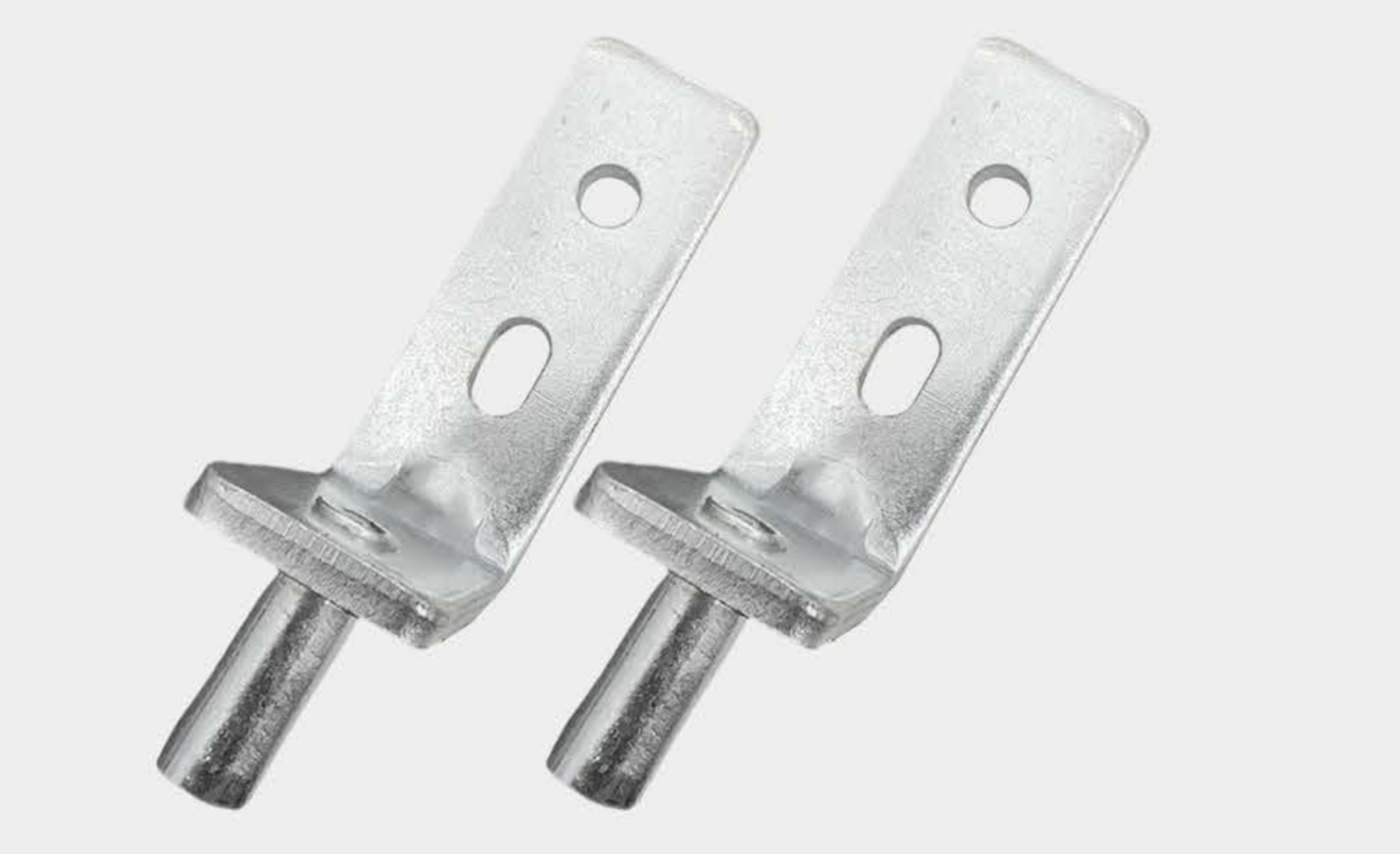
Hardware & Accessories — Bundled with Main Equipment Orders
Complementary hardware fabrication service — supplied alongside our main equipment orders (moulds / PU foaming / production line). Custom-fabricated per your drawings: 5 categories — hinges, brackets, rails & ladders, wire shelves & baskets, grid panels. Not a standalone product line. Consolidated into your main shipment.
Learn More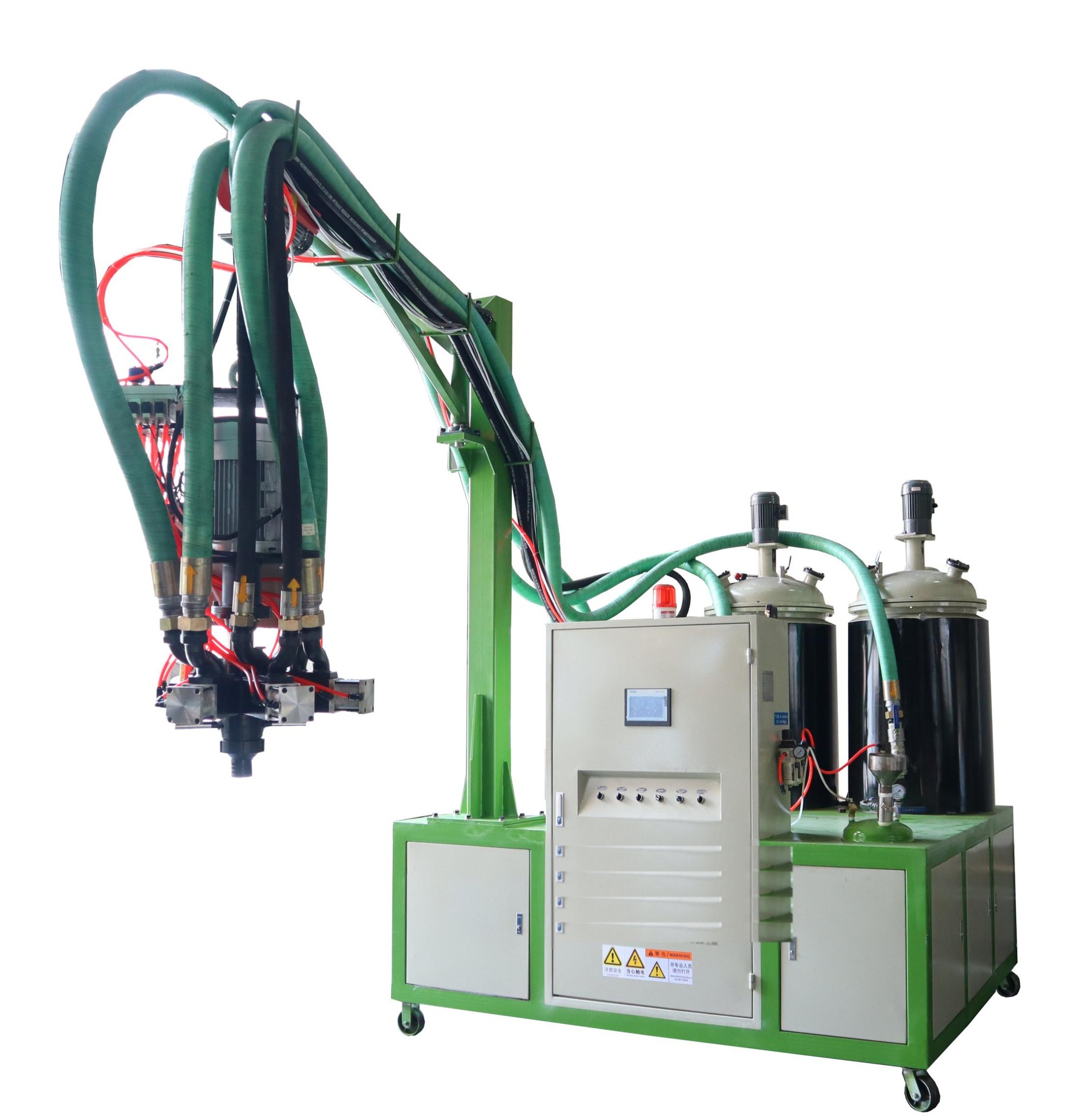
Low-Pressure PU Foaming Machine
Smaller, more flexible machine for wine cabinets, mini-bars, vaccine boxes and R&D pilots. Quick recipe switches when you run dozens of small cabinet variants. 5–250 g/s output.
Learn More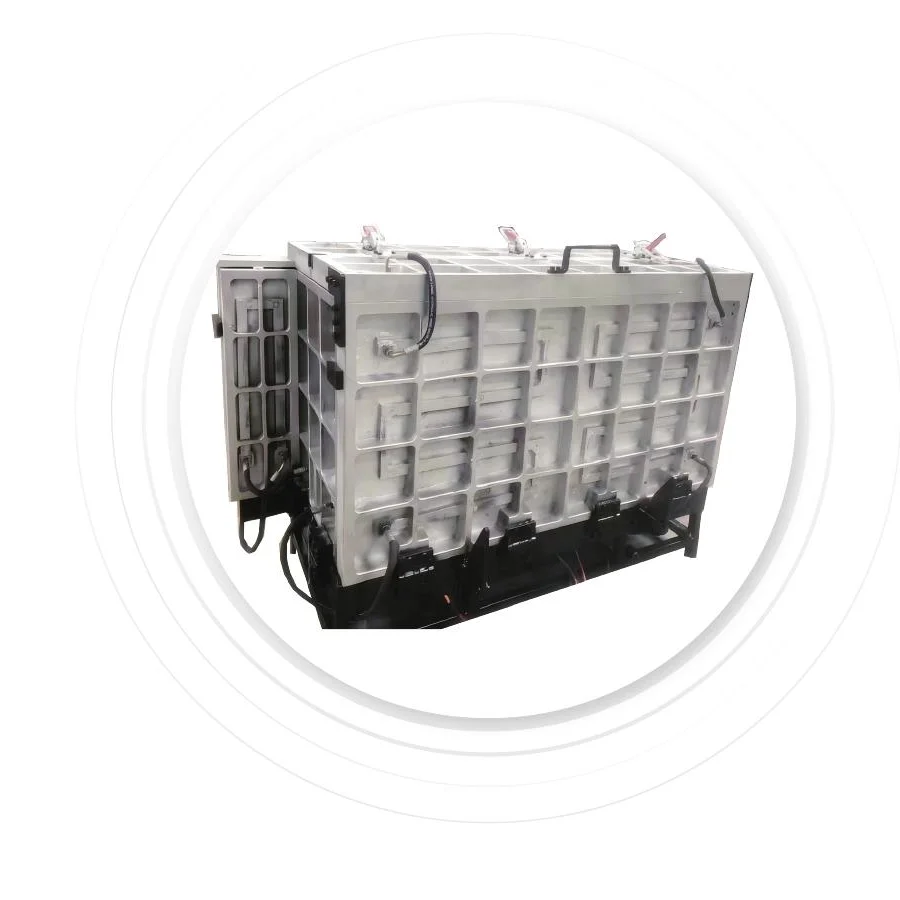
Mold for Upright Glass-Door Display Cabinet
Refrigerator mould (mold) for display cabinets — cast aluminium PU foaming mould for single / double / triple glass-door beverage display cabinets and supermarket display refrigerators. Up to 1,900 × 700 × 1,300 mm, ~30 s/shot.
Learn More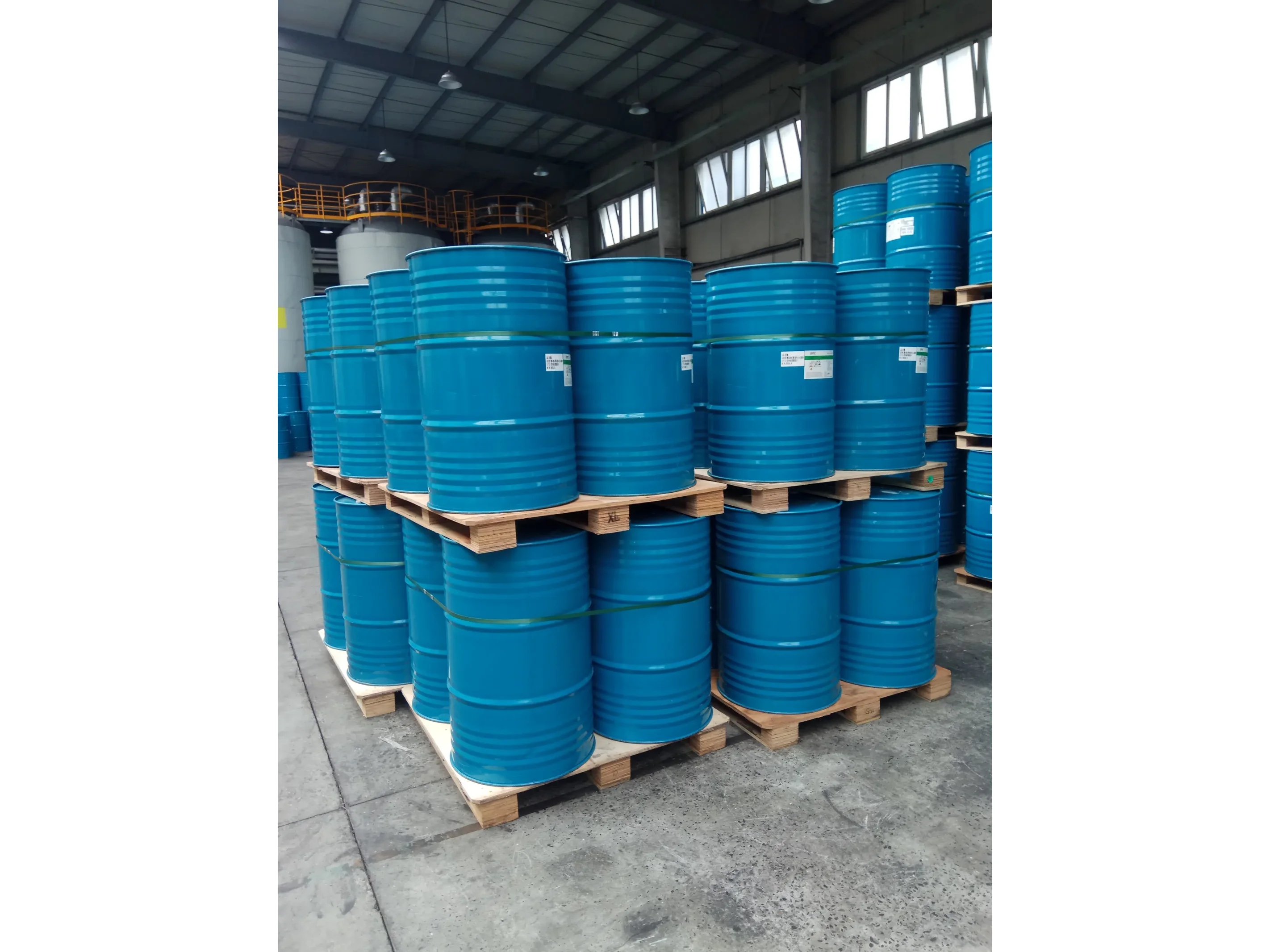
PU Raw Materials System
We make refrigerator-grade PU systems — polyol blend, MDI, blowing agent, all formulated in our own plant. k-factor down to 0.018, density customizable, tuned to your cabinet and your line.
Learn More
Why This Line Works — Backed by the Real Specifications
Tooling that holds humidity control as tight as wine retail demands temperature control — small market, high margin, high QA bar.
Dual environment control: temperature ±0.5°C and humidity ±2% RH
Cabinet foaming sealed to vapor-transmission rate <0.3 g/m²/24h — required for sustained 65–72% RH humidity hold. Standard refrigerator foaming (<1.5 g/m²/24h) loses 5–10% RH per week and ruins cigar quality.
Spanish-cedar interior hardware integration
Hardware kit includes pre-cut Spanish cedar (Cedrela odorata) shelving and drawer fronts — the wood species premium buyers expect. Interior brackets and trays moulded to receive cedar without nails or glue (premium cigar brands reject any synthetic adhesive contact).
Compact 20-cigar to 800-cigar range on three size platforms
Three mould platforms cover countertop 20-cigar units through 800-cigar floor-standing humidors. Premium cigar brands typically launch 3-tier collections from one tooling investment — entry, premium, flagship.
Compressor isolation under 30 dB measured at 1 m
Cabinet foaming moulds include reinforced compressor isolation pockets. Premium cigars are sensitive to micro-vibration during aging — measured cabinet noise under 30 dB at 1 m, well below wine cabinet 38 dB threshold.
Controlled-humidity cabinet engineering
Humidity Stability & Cedar Integration
Premium cigar collectors spec everything from cedar age to UV cutoff. 4 axes calibrated to ultra-premium positioning.
Capacity & layout
40 / 100 / 200 / 400 cigar SKUs on shared mould platform. Spanish cedar shelf carriers, drawer / open-front layouts.
Cedar grade
Pre-conditioned Spanish cedar boards (8% moisture, kiln-dried, 6 mm thick). Mould design includes 2 mm expansion gap.
Humidity control
Active humidifier loop + sealed PU walls + amber/UV-blocking glass. ±2% RH stability at 65–75% RH target.
Cooling system
Thermoelectric (silent, premium) / low-vibration Embraco compressor with damper kit. <0.05g shelf vibration for collector positioning.
Shared engineering reference
PU foam quality, testing and acceptance
Closed-cell ratio, density uniformity and thermal testing are documented once in our quality center.
Application Scenarios
Cigar humidor cabinets target the premium tobacco retail and collector market.
- Countertop cigar humidor (40–100 cigars, retail tasting)
- Display humidor cabinet (200–400 cigars, retail showcase)
- Walk-in commercial humidor room (1,000+ cigars, cigar lounge)
- Premium home humidor cabinet (200 cigars, collector segment)
- Hospitality back-bar humidor (cigar lounge / hotel)
- Climate-controlled cigar showcase (luxury retail)
Questions factory owners ask us
What determines the cost of a cigar humidor manufacturing line?
Does UREXCEED sell finished humidor cabinets, or just the production line?
Is a humidor line cheaper than a refrigerator line?
Can you supply walk-in cigar humidor tooling for retail showrooms?
How do you handle wood-component sourcing for cigar humidors?
Do you certify the cabinet for tobacco regulatory compliance?
What's the lead time and minimum production order?
What's the difference between a cigar cabinet factory line and a cigar humidor manufacturing line?
What does a cigar cases manufacturing plant cost?
Are cigar humidor cabinets considered tobacco storage containers?
Service & Support
Warranty & Service
On-site intervention available in every region where we have delivered projects.
On-Site Installation
Our engineers fly to your factory to supervise installation, layout verification, and first-run production.
Commissioning + Tuning
Trial run + parameter tuning to your local raw material, climate, and target product spec — until throughput meets contract.
Operator Training
5-10 day on-site training for production team, QC, and maintenance — bilingual manuals + video tutorials provided.
3-Year Warranty + Spares
Core equipment 3-year warranty, electrical 2-year. Spare parts in stock with global express shipment 24h dispatch.
Cross-Sell · One-Partner Synergy
Pair this line with the rest of the factory
The product groups our refrigerator-factory customers buy alongside this line — for full-line synergy and one-partner accountability.
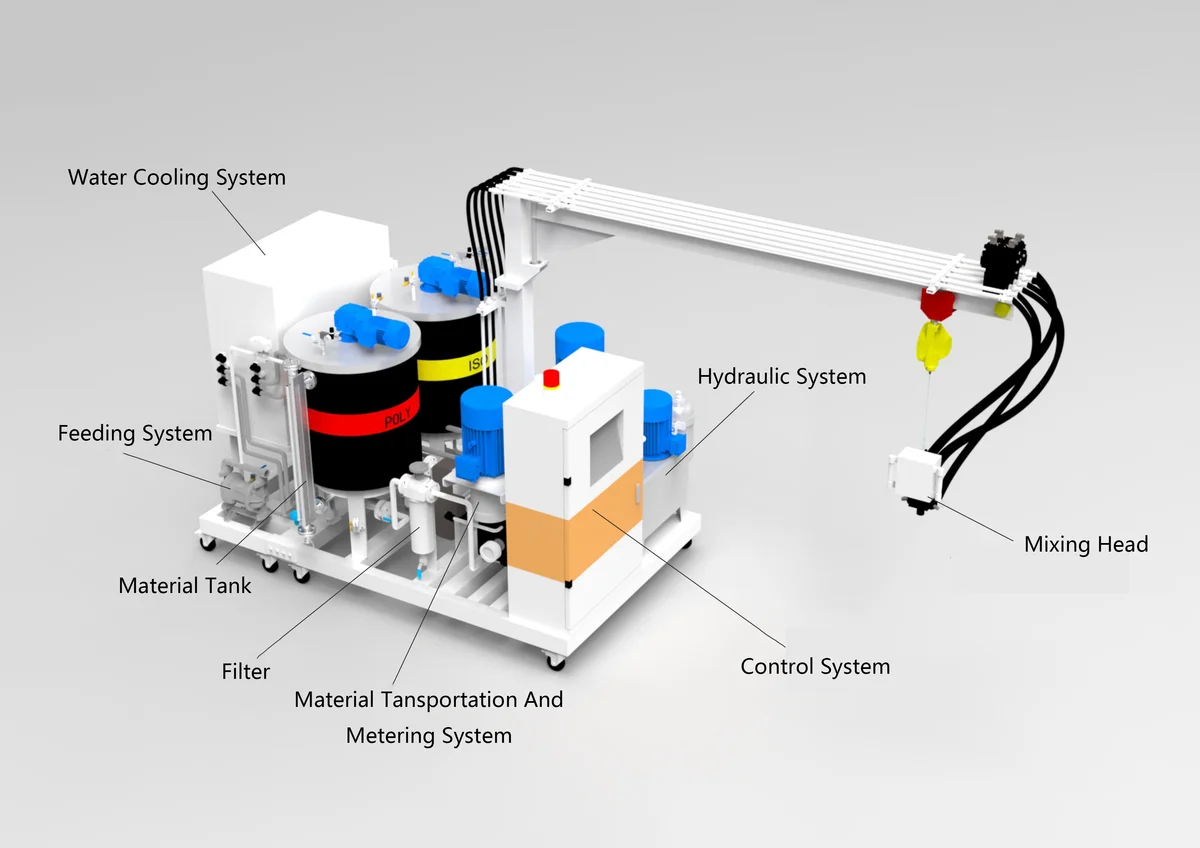
High-Pressure PU Foaming Machines
Cyclopentane / 2-component / 3-component models. Cyclopentane is the refrigerator industry standard.
Learn more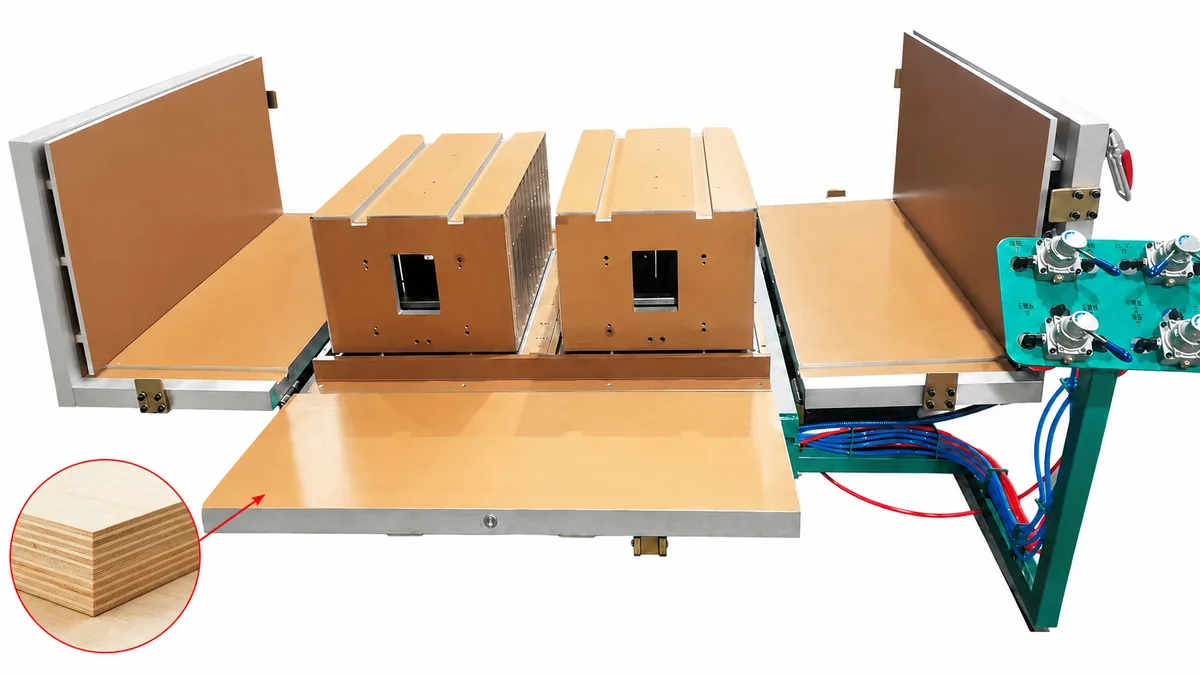
Refrigerator-grade Moulds
Vacuum-forming moulds for inner liners + foaming moulds for cabinet/door. 30-year mould-cluster network.
Learn more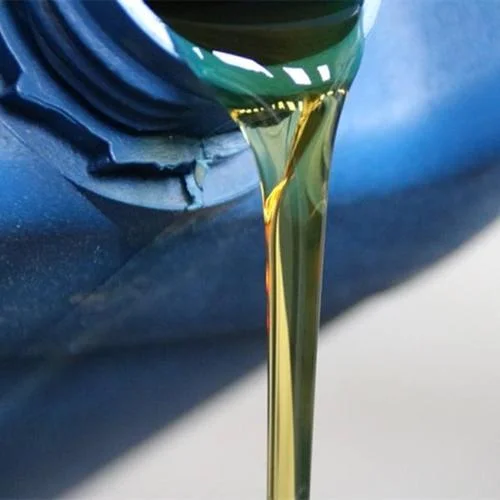
PU Raw Materials System
BASF / Covestro / Wanhua MDI + Polyol — calibrated to your climate, foam density, and cycle time.
Learn more