
Sistema de matéria-prima PU — RoHS / REACH compliant / UL94 HF-1 grade option-certified matérias-primas pu by UREXCEED. Lead time 15 – 25 days, MOQ 1 ton.
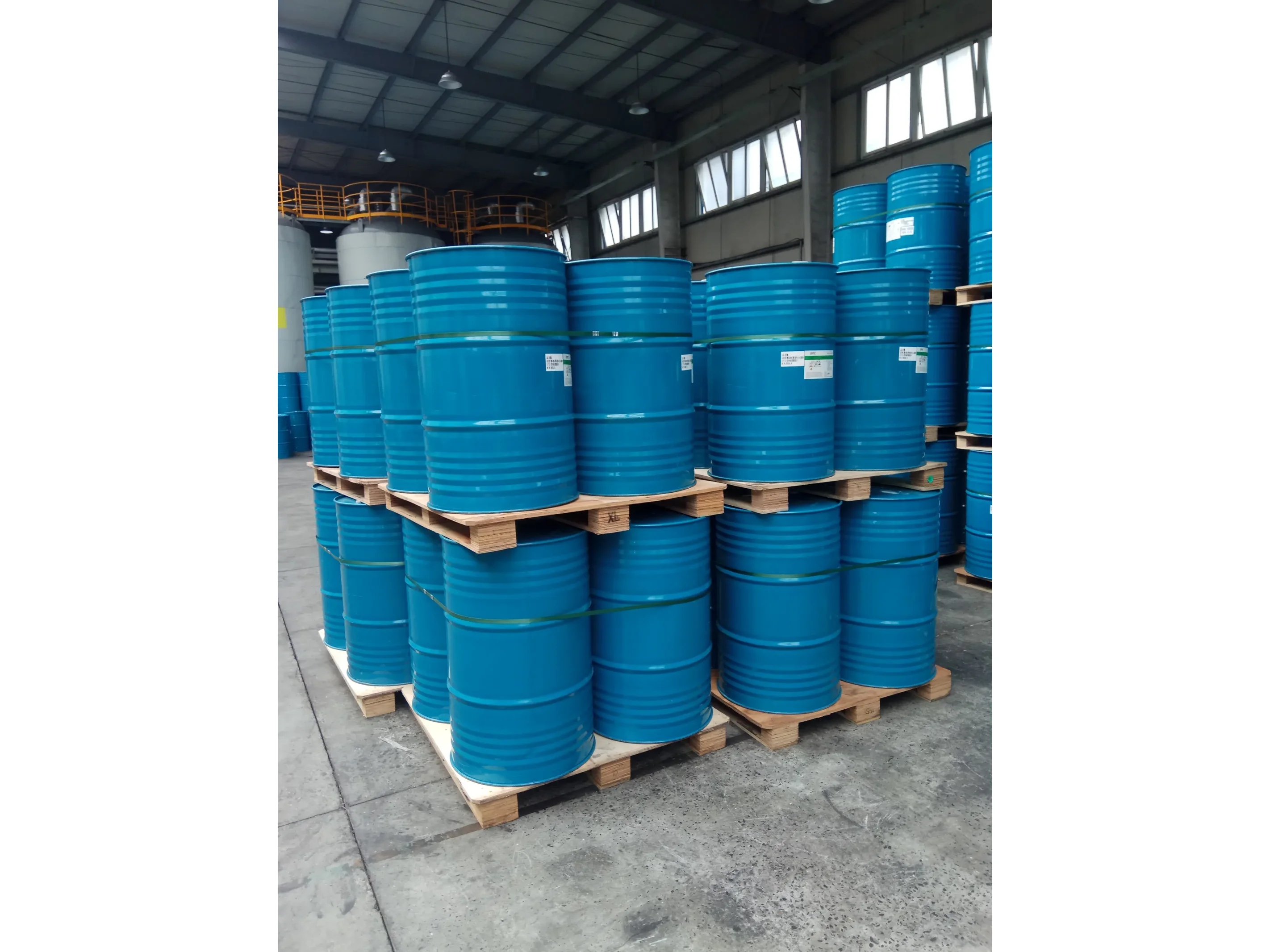
Sistema de matéria-prima PU
Poliol + isocianato + agente de sopro, k-factor até 0,018
Engineering reply within 24 hours
Quote + spec sheet + tailored sizing recommendation. WhatsApp answered 9 am–6 pm Beijing time.
Especificações
- Polyol (White Side)
- Sucrose / sorbitol / Mannich polyol blend, refrigerator-grade
- Hydroxyl Value (OH)
- 380 – 500 mg KOH/g
- Polyol Viscosity @25°C
- 4,000 – 9,000 mPa·s
- Isocyanate (Black Side)
- Polymeric MDI (PM-200 / Wanhua WANNATE 8019 / BASF Lupranat M20S)
- Mixing Ratio (Iso : Polyol)
- 1.05 – 1.15 : 1 by weight
- Blowing Agent Options
- Cyclopentane / HFC-245fa / HFO-1233zd(E) / HFC-365mfc
- k-Factor (Thermal Conductivity)
- 0.018 – 0.022 W/m·K (EU 2021 A–G label class B to F, the former A+++ to A+ bands)
- Free Rise Density
- 28 – 32 kg/m³
- Molded Density
- 32 – 42 kg/m³ (refrigerator cabinet typical 35 – 38)
- Closed Cell Content
- ≥ 95% (decisive for cabinet energy efficiency)
- Cream / Gel / Tack-free Time
- 6 – 10s / 35 – 55s / 60 – 90s (tunable to your line)
- Dimensional Stability @ -30°C
- ≤ 2% (low-temp cabinet & chest freezer grade)
- Compressive Strength @ 10%
- ≥ 150 kPa
- ODP / GWP
- Cyclopentane: 0 / ~25 • HFO-1233zd(E): 0 / 1 • HFC-245fa: 0 / 1,030
Aplicações
- Built-in / embedded refrigerator foam
- French-door & side-by-side refrigerator cabinet
- Top-mount & bottom-mount household refrigerator
- Commercial beverage cooler & wine cabinet
- Pharmaceutical / vaccine refrigerator
- Display showcase & chef-base cabinet
- Chest freezer & upright freezer cabinet
- Cold room sandwich panel (continuous & discontinuous)
- Insulated transport box & reefer container
- Door & lid foaming (separate low-density grade)
What's actually in our refrigerator PU system
A refrigerator foam recipe isn't one chemical — it's a 4-part system that we blend in our own plant. Here's what goes in each batch and how we source it.
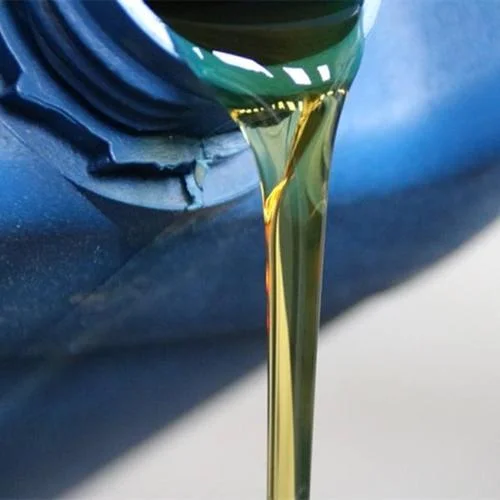
Polyol blend — we make this part (~70% of system)
We combine sucrose-initiated polyether, sorbitol polyether and Mannich polyol with silicone surfactant, amine and tin catalysts, a small amount of water (as a chemical co-blowing agent) and flame retardant. The sucrose polyol is what gives the foam its high cross-link density — that's what locks in the fine closed cells and the low k-factor.
MDI — we buy this from upstream majors (~30% of system)
We use polymeric MDI from Wanhua (WANNATE 8019), BASF (Lupranat M20S) or Covestro (Desmodur 44V20L). These are the three companies in the world who synthesize MDI at scale. We pick the grade with the right functionality (2.7–2.9) and NCO content (30.5–31.5%) for refrigerator foam, then ship it through with the rest of the system so you don't have to chase a separate supplier.
Blowing agent — we buy this from upstream too (3–6%)
Could be cyclopentane, HFO-1233zd(E) (Honeywell Solstice), HFC-245fa, or HFC-365mfc. The blowing agent decides your floor k-factor, your GWP exposure, and which export markets you can sell into. We pick it with you based on where your refrigerators are headed.
Additives — we tune these per customer (1–3%)
Silicone surfactant sets cell size (we aim for 100–200 µm in refrigerator foam), amine catalyst sets cream time, tin catalyst sets gel time, chain extender sets the final cabinet rigidity. We dial these per your cabinet design — thinner walls get more surfactant, faster cycle times get more catalyst, that kind of thing.
Which blowing agent fits your market
Blowing agent is the biggest decision in your recipe — it sets the floor on your k-factor, decides which export markets you can sell into, and runs about 25% of your raw material cost. Here's how we walk customers through it.
| Blowing Agent | k-Factor floor (W/m·K) | ODP | GWP (100yr) | Flammable | Relative Cost | Suitable Markets |
|---|---|---|---|---|---|---|
| Cyclopentane (CP) | 0.018 | 0 | ~25 | Yes (ATEX line required) | 1.0× (baseline) | China domestic / Africa / SE Asia / Latin America / Middle East / India |
| HFO-1233zd(E) | 0.019 | 0 | 1 | No | 2.5–3.0× | EU / UK (F-gas) / US (EPA SNAP) / Japan / Australia / Canada — required from 2025+ |
| HFC-245fa | 0.020 | 0 | 1,030 | No | 2.0× | Phasing out globally — avoid for new factories |
| HFC-365mfc | 0.021 | 0 | 794 | Yes | 1.5× | Legacy lines only — not recommended |
k-factor → energy class, the short version
k-factor is the single biggest lever we have on cabinet energy class. Drop it by 0.002 W/m·K and the cabinet usually moves up one full grade. Tell us your target market and we work backwards from there.
| k-Factor (W/m·K) | EU Energy Class (2021 A–G label; legacy class in brackets) | China Grade | Target Markets | Recipe |
|---|---|---|---|---|
| 0.018 – 0.019 | B–C (former A+++) | Grade 1 | Germany / Netherlands / Japan / Australia premium retail | Cyclopentane HP + sucrose polyol + 95%+ closed cell + density 32–35 |
| 0.020 | D–E (former A++) | Grade 2 | Most EU mainstream / Russia / GCC / Turkey / Brazil | Cyclopentane HP + standard sucrose + density 35–38 |
| 0.021 | E–F (former A+) | Grade 3 | Africa / Southeast Asia / Latin America economy lines | Cyclopentane LP or HFC-365 + density 38–40 |
| 0.022 | F–G (former A) | Grade 4 | Commercial displays / chest freezers (energy class less critical) | Lower-cost polyol + density 38–42 |
Three recipes we ship over and over
Most refrigerator orders fit one of these three. Tell us which one and we ship a ready-to-run system — no R&D delay on your side.
Recipe A — Premium built-ins, French-door, side-by-side
Cyclopentane on a high-pressure machine, k=0.018–0.019, molded density 32–35 kg/m³, closed cells over 96%. Cream 7s / gel 42s / tack-free 75s. Mould at 42–45°C, shot weight 800–1,200g per cabinet. Aimed at EU class B–C on the 2021 A–G label (the former A+++ band) and Japan Top Runner. Pairs with our high-pressure cyclopentane machine UPM-HP-CYP-300.
Recipe B — Mainstream household refrigerators
Cyclopentane high-pressure, k=0.020, molded density 35–38 kg/m³, closed cells 95%+. Cream 8s / gel 45s / tack-free 80s. Mould at 40–45°C, shot weight 600–900g. This is our best-selling recipe — covers EU A++, China Grade 2, Russia, Brazil, GCC. About 70% of the refrigerator orders we ship use this one.
Recipe C — Commercial coolers, display cases, chef bases, chest freezers
Lower-pressure system (cyclopentane LP or HFC-365), k=0.021–0.022, molded density 38–42 kg/m³, closed cells 92%+. Cream 10s / gel 55s / tack-free 90s. Mould at 38–42°C. For commercial work where cabinet strength matters more than top-tier energy class. Pairs with our low-pressure machine UPM-LP-200.
Why we tune every shipment to your line
Most refrigerator factories that switch to us were getting one-size-fits-all drums from someone else. We engineer the recipe around your specific machine, your moulds, and your cabinet — because a great PU system on the wrong line still gives you bad foam.
- 1
We ask you for a few line numbers first
What brand and model of high-pressure machine you run, tank temperatures, mixing head pressure, shot weight, daily cabinet output. If you're a new factory and don't know these yet, our engineer designs them with you.
- 2
We adjust the polyol blend
Catalyst ratio tuned to your tack-free target — faster for high-throughput lines, slower if you're foaming thick-wall display cabinets. More silicone surfactant if your walls are thin. Water content adjusted to match your blowing agent ratio.
- 3
We pilot-foam the batch in our own lab before shipping
Every production batch gets foamed in a 30L reference mould at our QC lab. Free-rise density, molded density, k-factor (measured on Lasercomp Fox 200) and closed cell content (Ultrapyc 5000) all go on the COA that ships with your order.
- 4
We send a parameter card with every shipment
Printed card matched to your cabinet — polyol temperature, ISO temperature, mixing pressure, shot weight per cavity, expected cream / gel / tack-free time. Your operator follows the card. No R&D needed on your side.
Where the raw materials in our system come from
We make the polyol blend ourselves, but we don't pretend to make MDI or cyclopentane — those come from upstream petrochem majors. Here's who's behind each part of our system, and what we check before anything leaves our gate.
Upstream Suppliers (Traceable)
- BASF Polyurethanes (Germany / China / Korea) — we buy their sucrose polyol and Lupranat MDI
- Covestro / former Bayer MaterialScience (Germany / Shanghai) — we buy their sucrose polyol and Desmodur MDI
- Wanhua Chemical (Yantai, China) — we buy their WANNATE polymeric MDI and polyether polyol. World's largest MDI producer.
- Dongda Polyurethane (Shandong, China) — high-functionality sucrose polyol
- Honeywell (US) — we use their Solstice HFO-1233zd(E) for low-GWP recipes
- Arkema (France) — cyclopentane and other blowing agents
What we check before anything leaves our plant
- 1 Every incoming drum gets tested — OH value (by titration), viscosity (Brookfield), water content (Karl Fischer), acid value, color
- 2 Polyol blending happens in our 5-ton or 22.5-ton batch tanks under nitrogen blanket
- 3 We pilot-foam each batch in a 30L reference mould — free-rise density, molded density, gel time all logged
- 4 k-factor measured on Lasercomp Fox 200 (ASTM C518), closed cell content on Ultrapyc 5000 (ASTM D6226)
- 5 Drums filled and sealed under nitrogen, palletized with desiccant for sea freight
- 6 Every order ships with the COA, the parameter card and the MSDS
Five Problems Refrigerator Factories Bring Us
These are the recurring issues we hear from refrigerator OEMs. We've designed our service around solving each one.
Problem 1: Buying direct from upstream majors is too expensive, MOQ too high, lead time too long
Direct from BASF or Covestro you'll usually see 50–100 ton MOQs and 60+ day lead times. We ship at 1-ton MOQ in 15–25 days. The MDI we use is the same Wanhua / BASF / Covestro grade — we're not cutting corners, we're just a smaller plant that can run smaller batches. You get a finished blend ready to foam instead of having to source four things separately.
Problem 2: In-house mixing is inconsistent — k-factor drifts, type-tests fail
If you blend your own polyol in-house, slight catalyst drift or moisture pickup breaks the k-factor target. We blend in automated dosing tanks (±0.5% accuracy) and pilot-test every batch. You skip the R&D and the type-test passes first try.
Problem 3: Export certs (RoHS, REACH, UL94, EU F-gas) are a paperwork nightmare
Every recipe we ship comes with current RoHS, REACH SVHC declaration, UL94 HF-1 report and (if you're on an HFO blend) an EU F-gas compliance statement. You forward the document pack to your importer — no extra testing on your end.
Problem 4: Picking a blowing agent for a new export market is a research project
EU mandates HFO from 2025. US has EPA SNAP. China still allows cyclopentane in most provinces. Africa accepts pretty much anything. We map your destination market to the right blowing agent and refer you to local fire-code consultants if you're going with cyclopentane.
Problem 5: Winter foaming gives coarser cells, summer gives tighter cells
Polyol reactivity drifts with ambient temperature. We ship seasonal versions of our recipes — winter mix has adjusted amine catalyst, summer mix has adjusted surfactant. Two reformulations a year are included in our supply contract at no extra cost.
How we pack and ship for refrigerator factories
A 500,000-unit/year factory needs predictable PU logistics. Last-minute air shipments cost about 8× more than sea freight. Here's how we set you up.
Polyol Packaging
Polyol: 200L lined steel drums (4 drums per pallet), 1,000L IBC totes, or 22.5-ton ISO tank containers. ISO tanks are the cheapest per kilo if you're using more than 40 tons a month.
MDI Packaging
MDI: 240kg drums, 1.1-ton IBC, or 18-ton ISO tank — all sealed under nitrogen so polymeric MDI doesn't crystallize in transit.
Blowing Agent
Blowing agent: cyclopentane in 200L UN-approved drums for small volumes or a 22.5-ton road tanker for bigger orders (we work with bonded warehouses near major ports). HFO ships in 60kg or 250kg cylinders.
Annual Consumption
Annual consumption guide for refrigerator factories: 500k units/year ≈ 800–1,200 tons / year (about 1–2 × 40' containers a month); 1M units/year ≈ 1,800–2,500 tons.
Shipping Routes
Routes we ship most: Shanghai / Ningbo / Qingdao → Rotterdam, Hamburg, Jeddah, Lagos, Santos, Manzanillo. Transit time 4–6 weeks.
Shelf Life
Shelf life: polyol keeps 6 months at 5–30°C, MDI 6 months at 10–35°C in sealed drums. We load within 7 days of formulation so you've still got 4+ months of usable shelf life when the container arrives.
Related equipment for this PU system
A polyol + iso + blowing agent recipe only works when paired with the right dispensing machine, foaming mould and production line. Pick the matching equipment for your line:
PU foaming machine
Cyclopentane high-pressure, two/three-component metering, ATEX-ready. Dispenses this PU system at ±0.5% shot accuracy.
View on yongjiapu.com →Refrigerator-cabinet moulds
6 cabinet-specific moulds (kitchen / chest / display / cake / island / workbench). Cavity geometry tuned to this PU recipe rise time.
View moulds →PU foaming production lines
Ground rail / linear / rotary door layouts. Multi-station decouples injection from cure so this PU recipe stays in spec at 500–10,000 cabinets/day.
View production lines →Cross-Sell · One-Partner Synergy
Pair Raw Materials With Foaming Equipment
Raw materials need matched equipment. Our foaming machines are calibrated for these polyol/MDI systems.
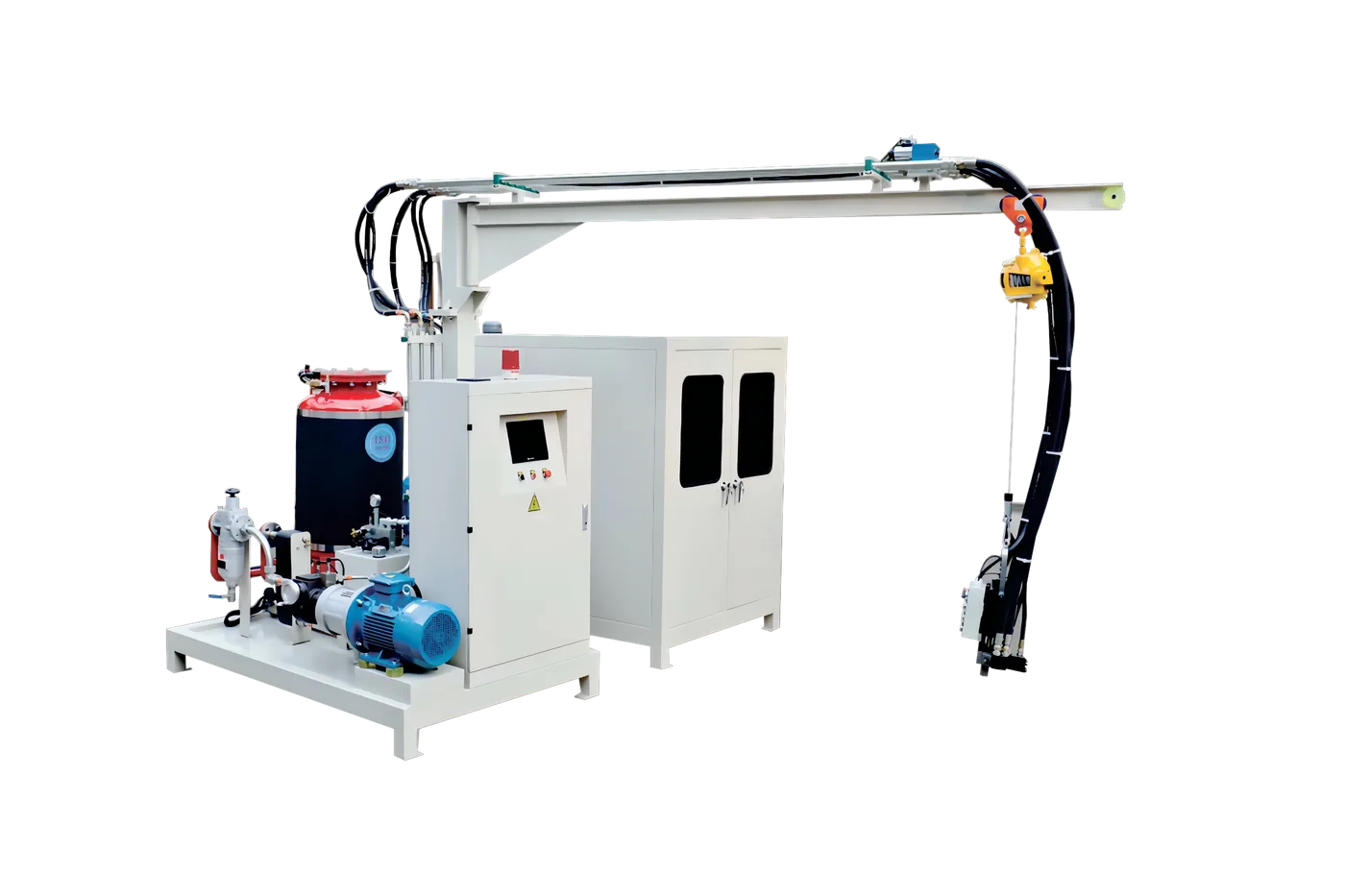
High-Pressure PU Foaming Machine
Cyclopentane / 2-component / 3-component high-pressure machines — our raw materials are calibrated for them.
Learn more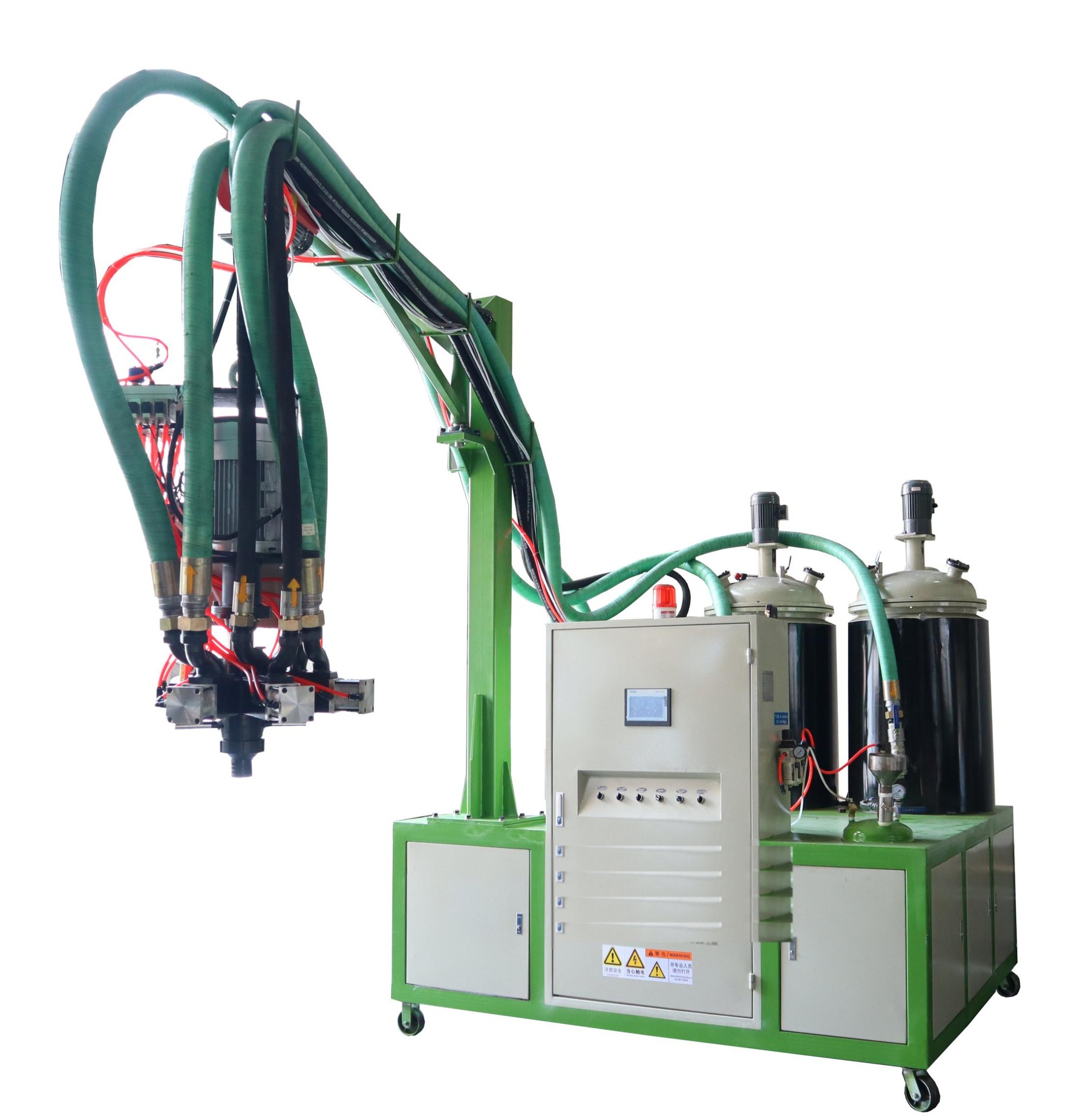
Low-Pressure PU Foaming Machine
For smaller volumes or display cabinet applications — low-density polyol grade available.
Learn more
Refrigerator Production Line
Pair raw materials with our turnkey factory engineering — single supplier accountability for the whole line.
Learn moreService & Support
Garantia & Assistência Técnica
Intervenção presencial disponível em todas as regiões onde já entregamos projetos.
On-Site Installation
Our engineers fly to your factory to supervise installation, layout verification, and first-run production.
Commissioning + Tuning
Trial run + parameter tuning to your local raw material, climate, and target product spec — until throughput meets contract.
Operator Training
5-10 day on-site training for production team, QC, and maintenance — bilingual manuals + video tutorials provided.
3-Year Warranty + Spares
Core equipment 3-year warranty, electrical 2-year. Spare parts in stock with global express shipment 24h dispatch.
Perguntas frequentes
Are you a real PU manufacturer, or just re-selling someone else's chemicals?
How do you make sure your PU actually works on my foaming line?
I'm exporting refrigerators to Germany / Japan / Australia. What k-factor do I need?
How much PU does a 500,000-unit/year refrigerator factory actually use?
Cyclopentane, HFO, or HFC — which blowing agent should I pick?
Will the foam hold up in a chest freezer at -40°C?
My previous PU supplier kept giving us collapse-cell defects. How do you prevent that?
Can I order a small trial before committing to a container?
Can I buy the components separately and tune the mix myself?
After 5–6 weeks of sea freight, will the polyol still be good?
Precisa de uma solução completa de refrigeração?
A UREXCEED integra moldes, máquinas de espumação, linhas de produção e materiais em 6 fábricas parceiras. Diga-nos o seu objetivo de capacidade e responderemos com uma configuração e cotação em 24 horas.