
رغوة البولي يوريثان للثلاجات: دليل الكثافة ومعامل K
رغوة البولي يوريثان الصلبة لخزانات الثلاجات من طراز OEM: الكثافة حسب نوع الخزانة، أهداف معامل K، سماكة الجدار، ومكان الألواح العازلة بالتفريغ.
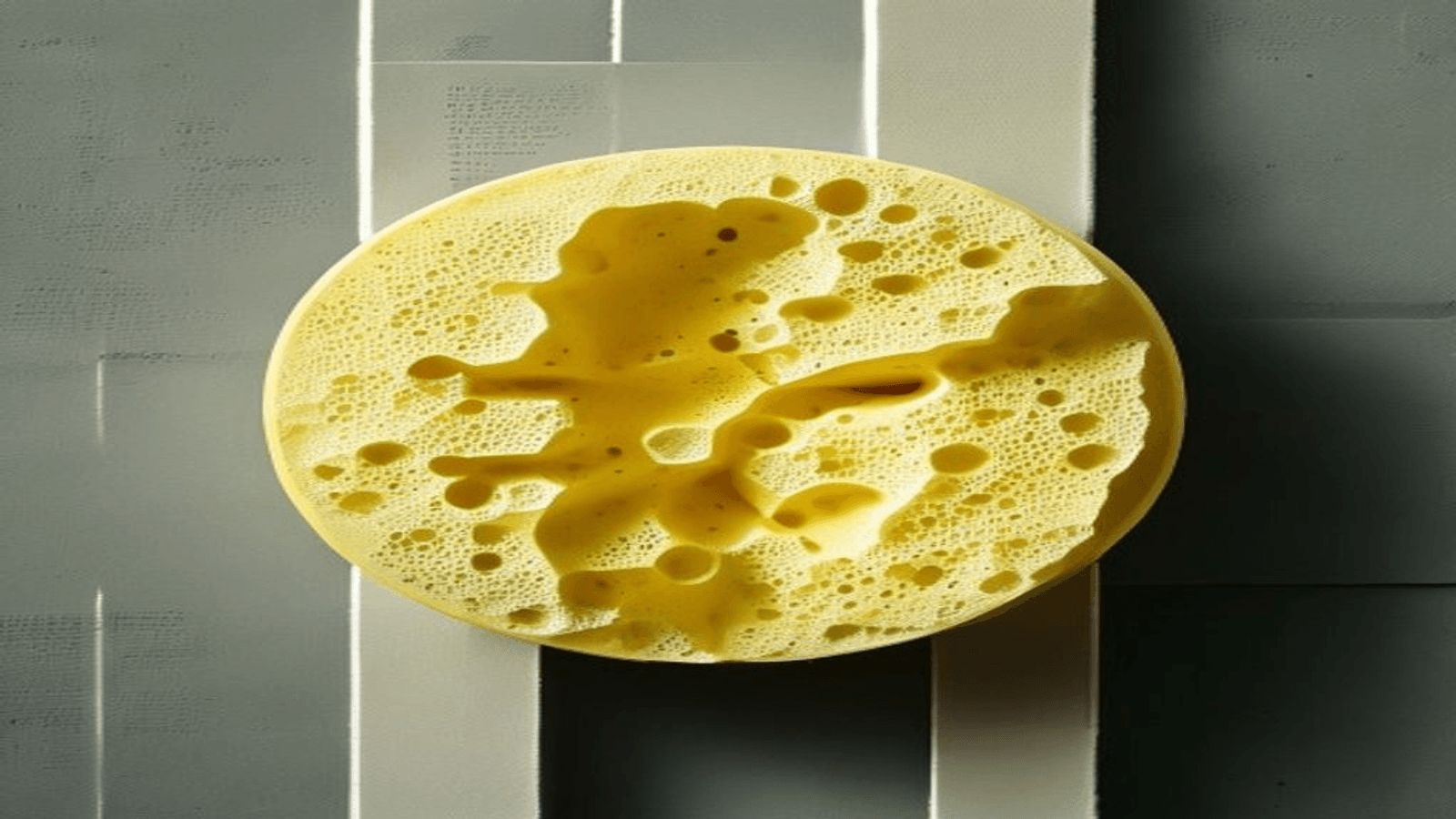
تتراوح كثافة رغوة البولي يوريثان الحديثة لسلسلة التبريد بين 30–50 كجم/م³ بمعامل K يتراوح بين 0.018–0.024 واط/م·ك. يتحكم عامل النفخ (سايكلوبنتان / HFC-245fa / HFO) وبنية الخلايا والتقادم في معامل K. رفع الكثافة 10% لتقليل سماكة الجدار 15% غالبًا أفضل من ملاحقة كيمياء عامل النفخ.
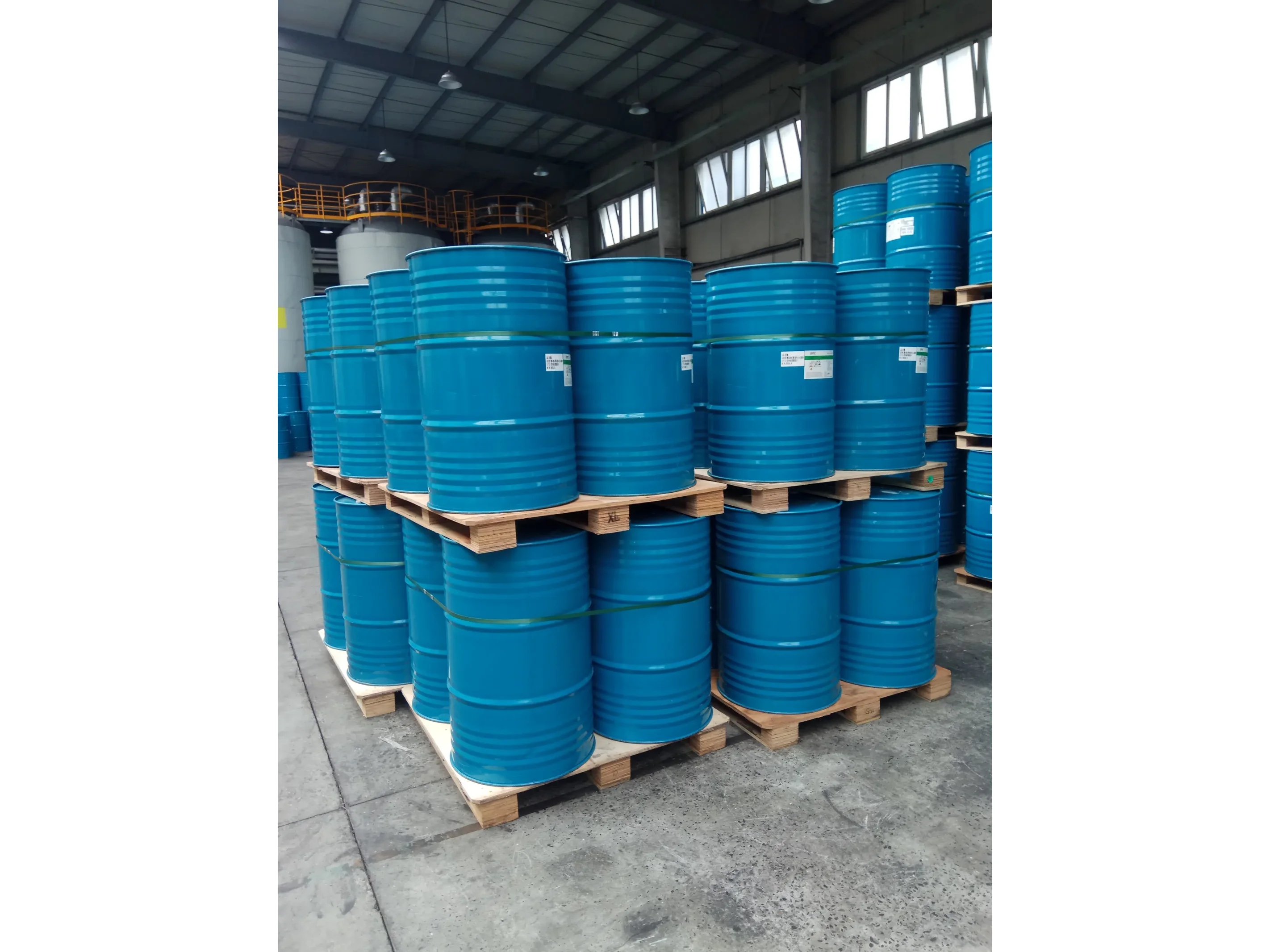
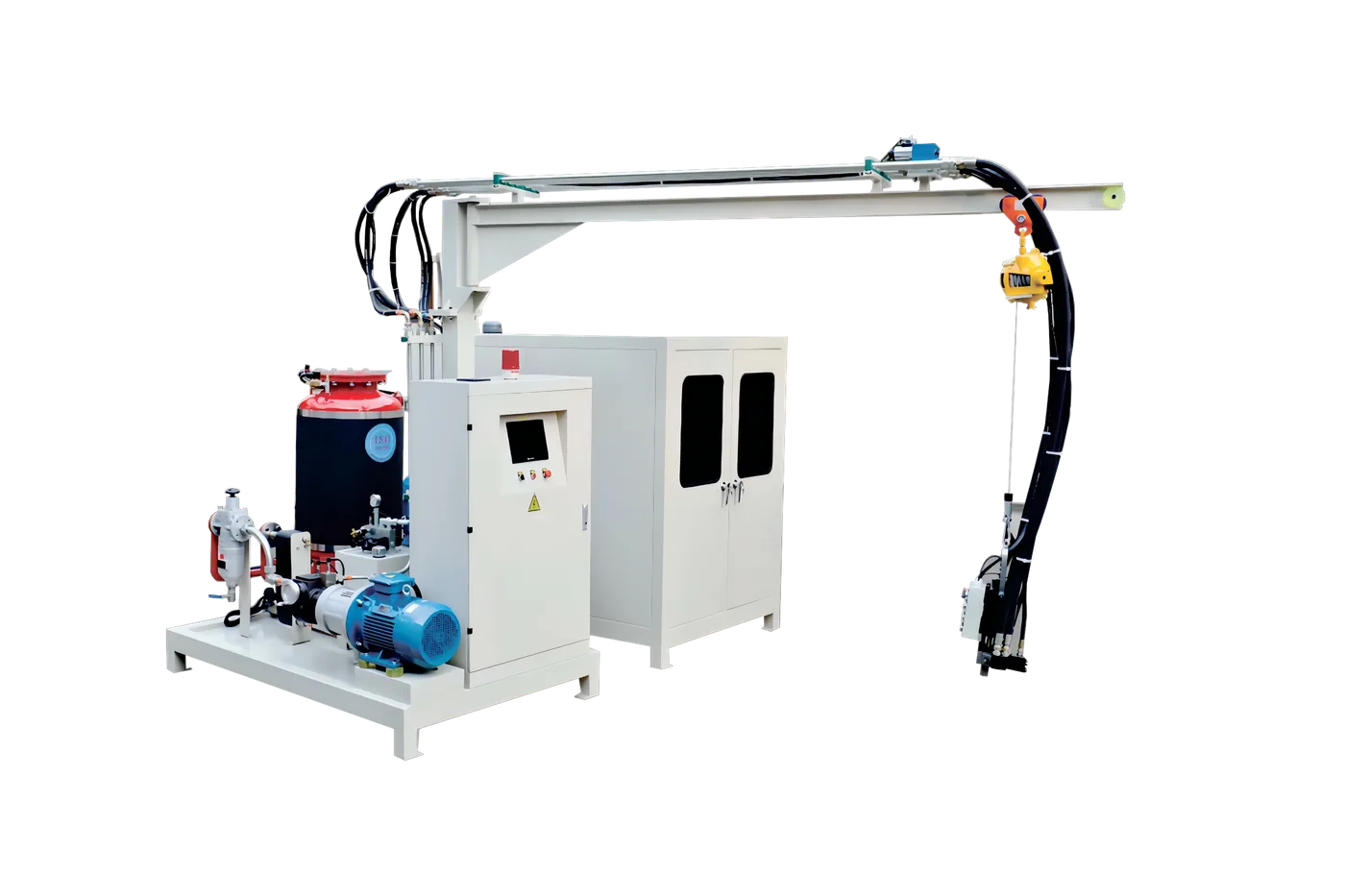
هل تحتاج إلى رغوة بكثافة ومعامل K محددين؟ راجع أنظمة المواد الخام الجاهزة للبولي يوريثان أو ماكينات رغوة البولي يوريثان عالية الضغط المصممة للجرعات بدقة ±2 كجم/م³. وفيما يلي الهندسة الكامنة وراء هذه الأرقام.
ما هي عزل الرغوة في الثلاجة فعليًا
عزل الثلاجة هو طبقة من رغوة البولي يوريثان الصلبة تُحقن بين الهيكل الخارجي والبطانة الداخلية. تُجرَّع كنظام سائل ثنائي المكونات، وتتمدد داخل الخزانة المغلقة، وتتصلب في بنية خلوية مغلقة تعزل الخزانة وتقويها هيكليًا في آنٍ واحد.
رقمان يصفان هذه الطبقة: الكثافة (كجم/م³، عادة 30–50 كجم/م³ في سلسلة التبريد) ومعامل K (واط/م·ك؛ يتراوح البولي يوريثان الحديث لسلسلة التبريد بين 0.018–0.024 واط/م·ك). كل شيء آخر — عامل النفخ، حجم الخلايا، التقادم، سماكة الجدار — هو رافعة تؤثر في هذين الرقمين.
لماذا تهم الكثافة ومعامل K أكثر من السعر لكل كيلوغرام
غالبًا ما تقارن فرق المشتريات موردي البولي يوريثان بسعر الكيلوغرام، متجاهلة العامل الحقيقي للتكلفة: كمية العزل اللازمة في الجدار لتحقيق هدف أداء حراري معين. يمكن أن تختلف رغوتان بنفس الكثافة بنسبة 15% في التوصيل الحراري، ما يعني جدرانًا أسمك وحجمًا داخليًا أصغر وتكاليف طاقة أعلى طوال 15 عامًا من عمر الثلاجة.
كثافة الرغوة: ما هي وما الذي تغيّره
ثلاثة نطاقات شائعة: 30–35 كجم/م³ في الثلاجات المنزلية الاقتصادية، وغير مناسبة للتخزين البارد طويل الأمد؛ 36–42 كجم/م³ وهو النطاق السائد في الثلاجات المنزلية والتجارية الحديثة، يوازن بين القوة الميكانيكية والأداء الحراري والتكلفة؛ 42–50 كجم/م³ في الألواح الساندويتش الإنشائية لغرف التبريد والمجمدات التجارية طويلة العمر. الألواح التي تمتد 4–6 أمتار دون دعامات وسيطة نادرًا ما تقبل كثافة أقل من 40 كجم/م³.
معامل K: المقياس الحقيقي للعزل
تصل رغوة البولي يوريثان الصلبة الحديثة لسلسلة التبريد إلى معامل K 0.018–0.024 واط/م·ك. أهم ثلاث روافع: اختيار عامل النفخ — يعطي السايكلوبنتان نحو 0.021–0.023، و HFC-245fa نحو 0.020–0.022، بينما يمكن لعوامل HFO الأحدث أن تصل إلى 0.018–0.020 مع الامتثال للوائح الغازات المفلورة الأوروبية لعام 2026؛ وبنية الخلايا، حيث تقلل نسبة الخلايا المغلقة فوق 95% من انتشار الغاز وتحافظ على استقرار معامل K لسنوات؛ والتقادم، إذ يرتفع معامل K تدريجيًا خلال 5–10 سنوات مع انتشار عامل النفخ خارج الخلايا.
مصفوفة الكثافة × معامل K
ثلاجة منزلية +4°م: 36–38 كجم/م³، معامل K 0.020–0.022، جدار 40–55 مم. مجمد منزلي −18°م: 38–40 كجم/م³، 0.019–0.021، 55–70 مم. مجمد تجاري −25°م: 40–42 كجم/م³، 0.019–0.021، 70–90 مم. غرفة تبريد 0°م: 40–42 كجم/م³، 0.020–0.022، 75–100 مم. تجميد عميق −25°م: 42–45 كجم/م³، 0.019–0.021، 150–200 مم. بالنسبة لمصنع يخطط لسعة جديدة (انظر دليل إعداد الخط والاستثمار في السعة)، غالبًا ما يكون القرار الأكثر تأثيرًا ليس الاختيار بين السايكلوبنتان أو HFO، بل رفع الكثافة 10% لتقليل سماكة الجدار 15%.
أي رغوة يجب تحديدها في المواصفات
بالنسبة لخزانة تُرغى في الموقع، هناك إجابة واحدة فقط: بولي يوريثان صلب مغلق الخلايا، يُحقن كنظام ثنائي المكونات ويُنفخ بالسايكلوبنتان أو HFC-245fa أو HFO. تظهر الألواح الجاهزة (XPS وEPS ورغوة PE) ورغوة DIY في أعمال الإصلاح، لكن لا يستخدمها أي خط OEM كقلب للخزانة — لا يمكن حقنها، ولا تربط الهيكل بالبطانة، ولا تمنح الصلابة الهيكلية. البديل الحقيقي الوحيد هو لوح العزل بالتفريغ (VIP): قلب مسامي مختوم تحت التفريغ داخل غشاء حاجز، بتوصيل حراري أقل بكثير من البولي يوريثان الصلب. تلصق الطرازات الفاخرة ألواح VIP بالبطانة ثم تحقن البولي يوريثان حولها — فـVIP إدخال داخل طبقة البولي يوريثان وليس بديلاً عنها، وأي ثقب فيه يفقده معظم فائدته.
الاختبارات والفحص عند الاستلام
يجب أن يشمل الفحص المسؤول عند استلام أنظمة المواد الخام للبولي يوريثان: اختبار كثافة التمدد الحر (رغوة عينة في كوب ووزنها؛ يجب أن تطابق نشرة المورد الفنية ضمن ±5%)؛ أزمنة البدء والتجلط والجفاف السطحي (أي انحراف يشير إلى خطأ في مؤشر الأيزوسيانات أو تقادم البوليول)؛ اختبار معامل K بجهاز اللوح الساخن المحمي؛ نسبة الخلايا المغلقة وفق ASTM D6226 (الهدف >95%)؛ ومقاومة الانضغاط عند تشوه 10% وفق ASTM D1621 (180–220 كيلوباسكال نموذجيًا لرغوة 40 كجم/م³).
أخطاء شائعة في اختيار التركيبة
تغيير عامل النفخ دون إعادة ضبط حزمة المحفزات يعطي عادة بنية خلوية سيئة وعقوبة بنسبة 8–12% في معامل K. تخزين البوليول عند رطوبة نسبية أعلى من 65% يسبب امتصاص الرطوبة التي تتفاعل مع الأيزوسيانات فتنتج ثاني أكسيد الكربون الزائد. تبديل الموردين كل ستة أشهر يمحو خبرة العملية التي تنتج نتائج ثابتة. الاختبار في درجة حرارة الغرفة فقط لا يعكس الواقع — يجب اختبار رغوة سلسلة التبريد عند 10°م و20°م لأن معامل K يتغير مع درجة الحرارة.
تُجرِّع ماكيناتنا لرغوة البولي يوريثان عالية الضغط أيًا من عوامل النفخ المذكورة بدقة ثابتة، لذا لا تحتاج التركيبة للتغيير عند ترقية المعدات. غير متأكد إن كان خطك يحتاج ضغطًا عاليًا أم منخفضًا؟ اقرأ مقارنة الضغط العالي والمنخفض.
أسئلة شائعة
ما كثافة رغوة البولي يوريثان الموصى بها للثلاجات المنزلية؟
تستخدم الثلاجات المنزلية القياسية رغوة بولي يوريثان صلبة بكثافة 36–38 كجم/م³، ما يعطي معامل K نحو 0.020–0.022 واط/م·ك مع قوة ميكانيكية كافية. ترتفع المجمدات والطرازات الفاخرة ذات ملصق الطاقة الأعلى إلى 38–40 كجم/م³.
ماذا يعني معامل K في عزل رغوة البولي يوريثان؟
يشير معامل K (التوصيل الحراري، بوحدة واط/م·ك) إلى مدى قدرة الرغوة على منع انتقال الحرارة؛ كلما انخفض كان أفضل. في رغوة التبريد، يتراوح معامل K الابتدائي بين 0.018–0.024 واط/م·ك حسب عامل النفخ وبنية الخلايا، ويرتفع تدريجيًا مع مرور السنوات.
كيف تؤثر كثافة الرغوة على أداء معدات سلسلة التبريد؟
تحتوي الرغوة الأعلى كثافة على بوليمر أكثر لكل وحدة حجم، ما يمنحها مقاومة انضغاط أفضل وتقادمًا أبطأ — لكن بتكلفة مواد خام أعلى. المبالغة في تحديد الكثافة تهدر المواد، وتحديدها بأقل من اللازم يقصّر عمر المنتج.
المنتجات المذكورة في هذا المقال
هل أنت مستعد للتخطيط لمشروع التبريد الخاص بك؟
شاركنا هدف الإنتاج ومزيج المنتجات — فريقنا الهندسي يرد بخطة طاقة إنتاجية وعرض أسعار خلال ثلاثة أيام عمل.
اطلب عرض أسعار هندسيمقالات ذات صلة
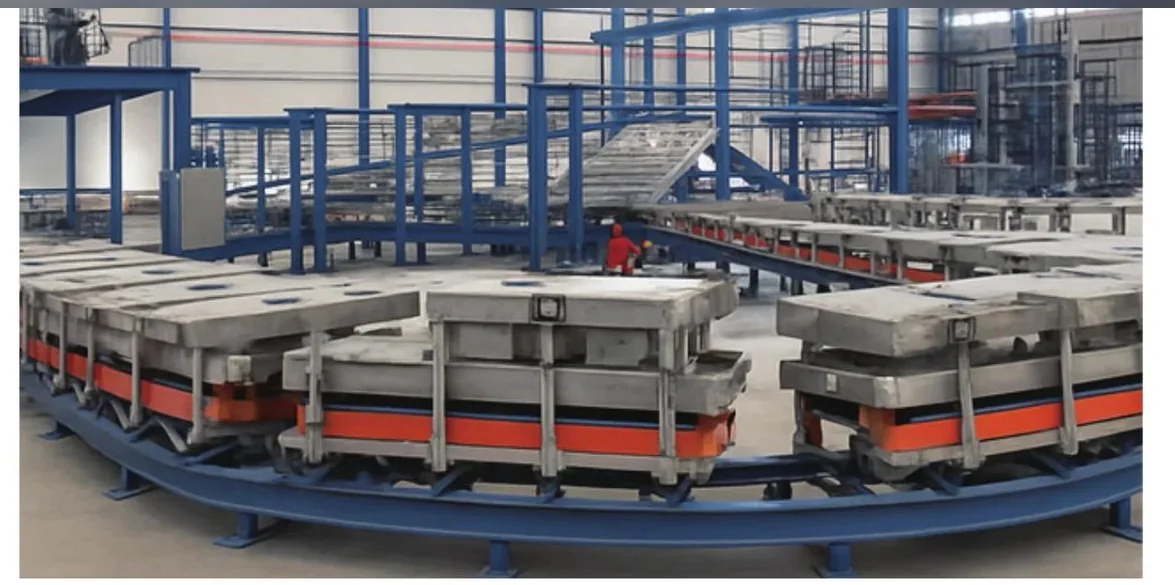
26-Station Ground-Rail Foaming Line Throughput: The Real Math Behind the Numbers
The station count in a foaming line's name is the wrong number to size capacity on. Hourly output is set by takt time and OEE; the 26 stations set curing time and work-in-process. This guide walks the actual throughput math for a closed-loop ground-rail line so you size it against your real production target.
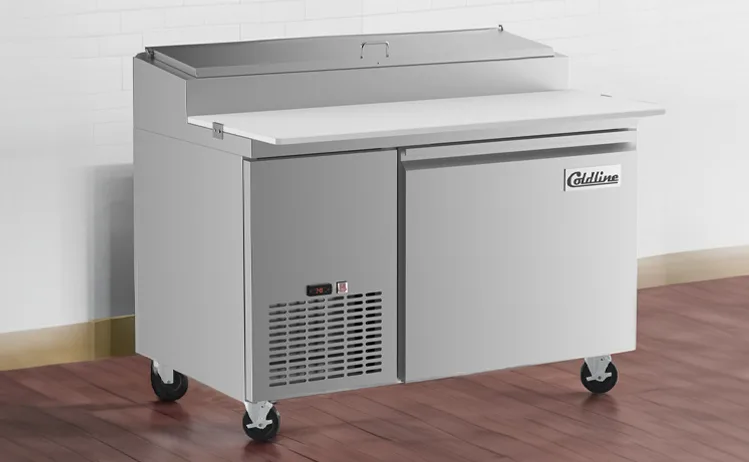
Chef Base PU Foaming, Deep Dive: Why a Load-Bearing Cabinet Is Foamed Differently from a Domestic Fridge
A chef base carries heavy cooking equipment on its top deck, soaks up radiant heat from the cooktop, and is built from two stainless skins — so its PU foam has to be a structural member and an insulator at once. This deep dive walks the engineering that separates chef-base foaming from domestic-cabinet foaming: load-bearing density, k-factor under a hot deck, stainless adhesion, and the defect modes that punish treating the two cabinets the same.
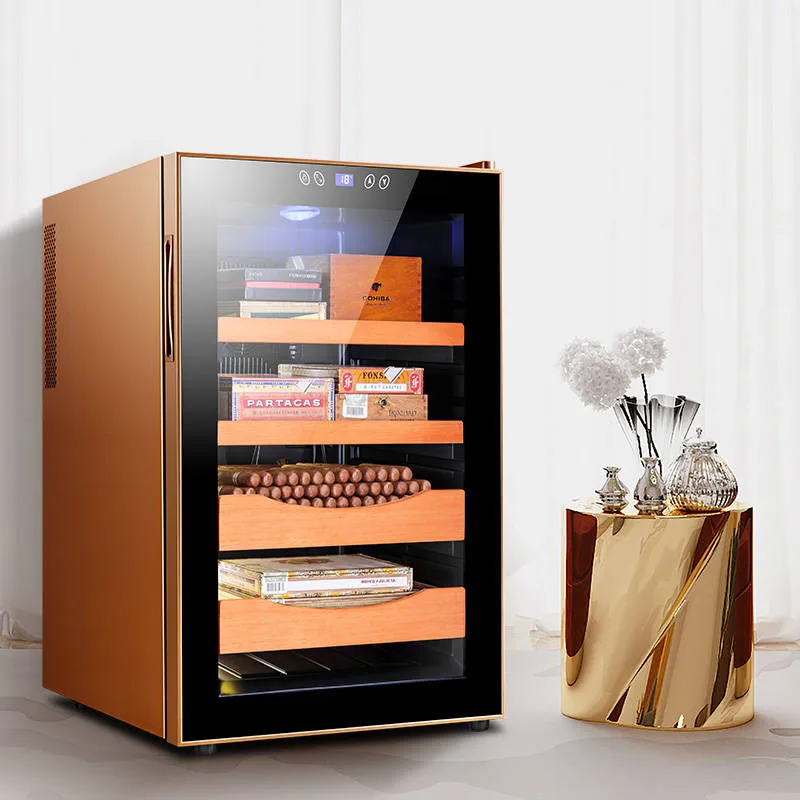
Cigar Humidor Cabinet PU Foam, Deep Dive: Why a Humidity-Holding Cabinet Is Foamed Differently from a Cold-Chain Fridge
A cigar humidor cabinet shares a fridge's two-skin, one-PU-shot construction but not its goal: it holds a narrow 65–72% relative-humidity band at around 18 °C, not a low temperature. This deep dive walks the engineering that makes humidor foaming its own discipline — RH stability, a vapor-tight envelope (ASTM E96 permeance), the condensation a single void causes near saturation, dimensional stability so the door seal stays tight for years, and why it is a precision low-pressure job rather than a high-volume one.