
Espuma PU para refrigeradores: guía de densidad y factor K
Espuma rígida de PU para gabinetes OEM de refrigeración: densidad según tipo de gabinete, objetivos de factor K, espesor de pared y el lugar de los paneles de vacío.
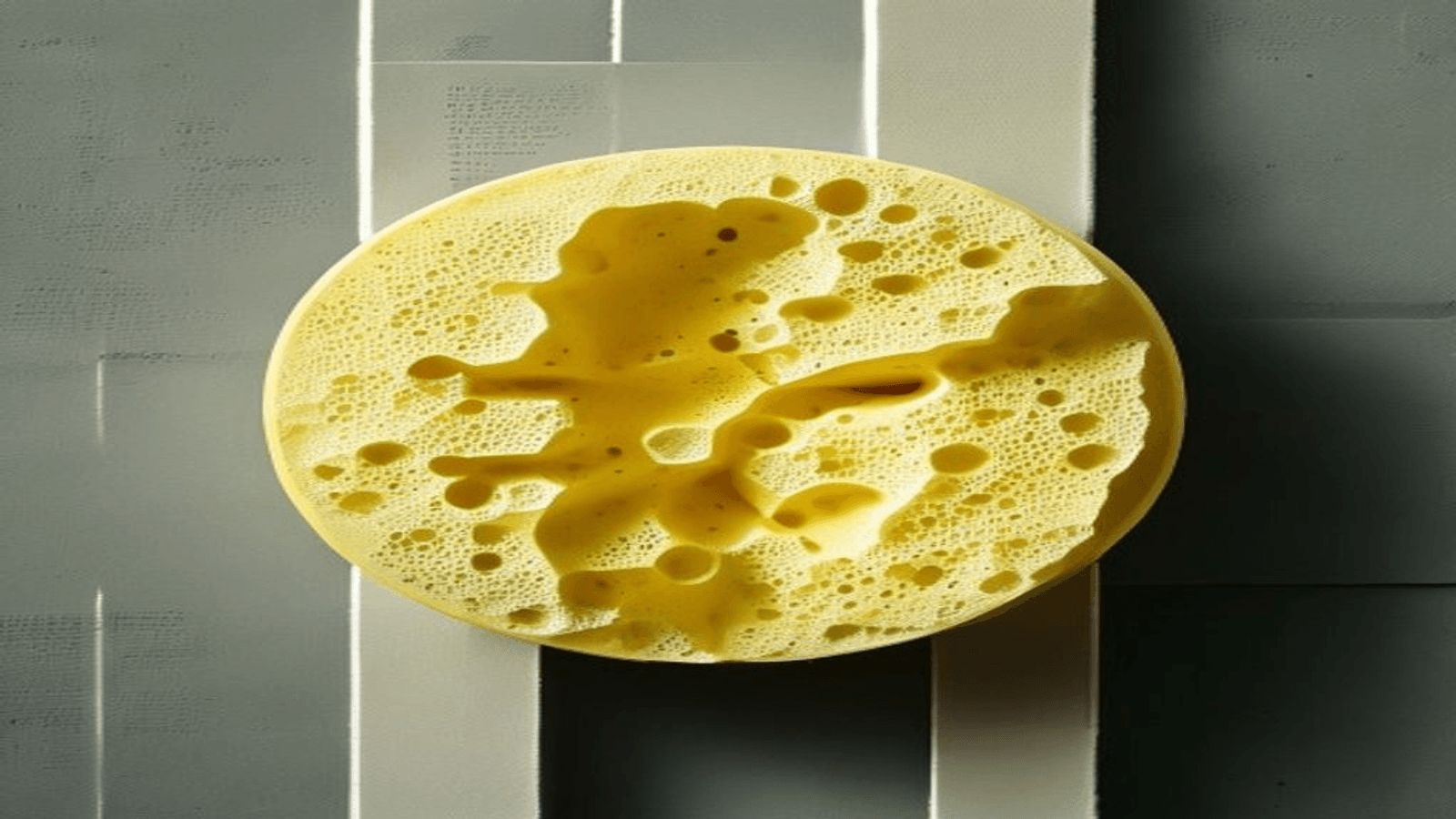
La espuma PU moderna para cadena de frío va de 30–50 kg/m³ de densidad con factor K de 0,018–0,024 W/m·K. El agente espumante (ciclopentano / HFC-245fa / HFO), la estructura celular y el envejecimiento determinan el factor K. Subir la densidad un 10% para reducir el espesor de pared un 15% suele ganar más volumen interno que perseguir la química del agente espumante.
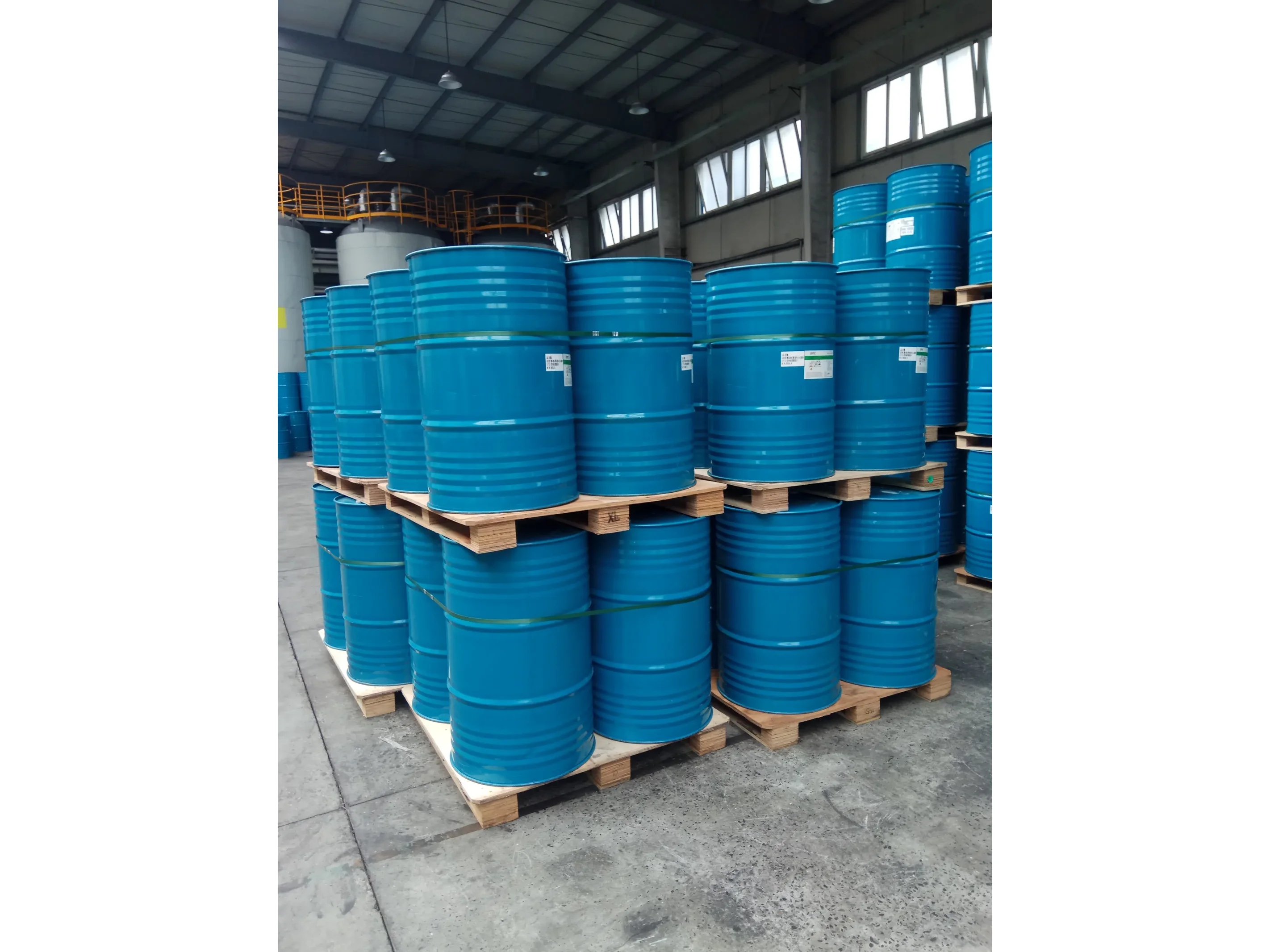
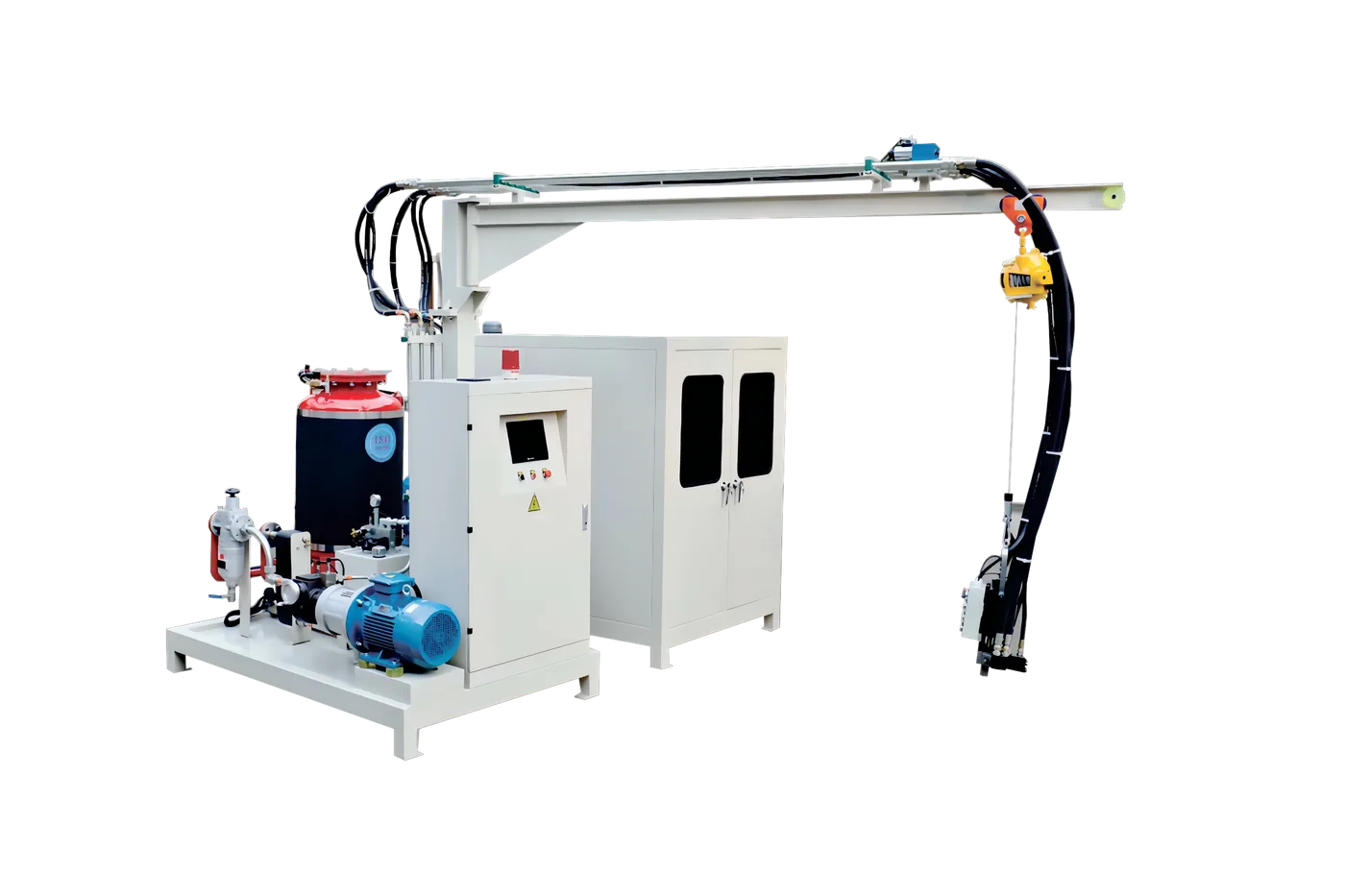
¿Necesita una espuma con densidad y factor K específicos? Vea nuestros sistemas de materia prima PU preformulados o máquinas de espumado PU de alta presión capaces de dosificar con tolerancia de ±2 kg/m³. A continuación, la ingeniería detrás de esos números.
Qué es realmente el aislamiento de espuma de un refrigerador
El aislamiento de un refrigerador es la capa de espuma rígida de poliuretano (PU) inyectada entre la carcasa exterior y el revestimiento interior. Se dosifica como un sistema líquido de dos componentes, se expande dentro del gabinete cerrado y cura en una estructura de celda cerrada que aísla y refuerza el gabinete a la vez.
Dos números describen esa capa: la densidad (kg/m³, típicamente 30–50 kg/m³ en cadena de frío) y el factor K (W/m·K; el PU moderno para cadena de frío está en 0,018–0,024 W/m·K). Todo lo demás —agente espumante, tamaño de celda, envejecimiento, espesor de pared— es una palanca sobre esos dos números.
Por qué la densidad y el factor K importan más que el precio por kilo
Los equipos de compras suelen comparar proveedores por precio por kilo, pero eso ignora lo que realmente determina el costo: cuánto aislamiento se necesita en una pared para cumplir un objetivo térmico dado. Dos espumas de igual densidad pueden diferir un 15% en conductividad térmica, lo que se traduce en paredes más gruesas, menor volumen interno y mayores costos energéticos durante los 15 años de vida del refrigerador.
Densidad de la espuma: qué es y qué cambia
Tres bandas típicas: 30–35 kg/m³ en refrigeradores domésticos económicos, no recomendada para almacenamiento en frío de largo plazo; 36–42 kg/m³, el rango dominante en refrigeradores domésticos y comerciales modernos, buen equilibrio entre resistencia mecánica, desempeño térmico y costo; 42–50 kg/m³ en paneles estructurales de cámaras frigoríficas y congeladores comerciales de larga vida. Los paneles que salvan 4–6 metros sin apoyos intermedios rara vez aceptan densidades por debajo de 40 kg/m³.
Factor K: la métrica real de aislamiento
La espuma PU rígida moderna para cadena de frío alcanza factores K de 0,018–0,024 W/m·K. Las tres palancas principales: la elección del agente espumante —ciclopentano da alrededor de 0,021–0,023, HFC-245fa 0,020–0,022, y los nuevos agentes HFO pueden llegar a 0,018–0,020 cumpliendo la normativa europea de gases fluorados de 2026—; la estructura celular, donde más del 95% de celda cerrada reduce la difusión de gas y mantiene el factor K estable durante años; y el envejecimiento, que hace que el factor K derive al alza en 5–10 años a medida que el agente espumante se difunde fuera de las celdas.
La matriz densidad × factor K
Refrigerador doméstico +4 °C: 36–38 kg/m³, factor K 0,020–0,022, pared 40–55 mm. Congelador doméstico −18 °C: 38–40 kg/m³, 0,019–0,021, 55–70 mm. Congelador comercial −25 °C: 40–42 kg/m³, 0,019–0,021, 70–90 mm. Cámara fría 0 °C: 40–42 kg/m³, 0,020–0,022, 75–100 mm. Congelación profunda −25 °C: 42–45 kg/m³, 0,019–0,021, 150–200 mm. Para una fábrica que cotiza nueva capacidad (ver nuestra guía de instalación de línea e inversión de capacidad), la decisión de mayor impacto suele ser subir la densidad un 10% para reducir el espesor de pared un 15%, ganando volumen interno.
Qué espuma especificar
Para un gabinete espumado in situ hay una sola respuesta: PU rígido de celda cerrada, inyectado como sistema de dos componentes y expandido con ciclopentano, HFC-245fa o un HFO. Las planchas de XPS, EPS o espuma PE y el espumado de bricolaje aparecen en reparaciones, pero ninguna línea OEM los usa como núcleo del gabinete: no se pueden inyectar, no unen la carcasa al revestimiento y no aportan rigidez estructural. La única alternativa real es el panel de aislamiento al vacío (VIP): un núcleo poroso sellado al vacío en una película barrera, con una conductividad térmica muy inferior a la del PU rígido. Los modelos premium pegan VIPs al revestimiento y luego espuman PU alrededor —el VIP es un inserto dentro de la capa de PU, no su reemplazo, y un VIP perforado pierde la mayor parte de su beneficio.
Pruebas e inspección de entrada
Una inspección de entrada responsable de sistemas de materia prima PU debe incluir: prueba de densidad de expansión libre (espumar una muestra en un vaso, pesar; debe coincidir con la ficha técnica del proveedor dentro de ±5%); tiempos de crema, gel y tack-free (una deriva indica un error en el índice de isocianato o envejecimiento del poliol); prueba de factor K en placa caliente guardada; contenido de celda cerrada por ASTM D6226 (objetivo >95%); y resistencia a la compresión al 10% de deformación por ASTM D1621 (180–220 kPa típico para espuma de 40 kg/m³).
Errores comunes al seleccionar la formulación
Cambiar de agente espumante sin reajustar el paquete de catalizadores suele dar mala estructura celular y una penalización de 8–12% en el factor K. Almacenar poliol por encima del 65% de humedad relativa provoca absorción de humedad, que reacciona con el isocianato generando CO₂ extra. Alternar proveedores cada seis meses borra el aprendizaje de proceso que da resultados consistentes. Probar solo a temperatura ambiente no refleja la realidad: la espuma de cadena de frío debe probarse a 10 °C y 20 °C, porque el factor K varía con la temperatura.
Nuestras máquinas de espumado PU de alta presión dosifican cualquiera de estos agentes espumantes con precisión estable, así que la formulación no cambia al actualizar el equipo. ¿No está seguro si su línea necesita alta o baja presión? Lea nuestra comparación de alta vs baja presión.
Preguntas frecuentes
¿Qué densidad de espuma PU se recomienda para refrigeradores domésticos?
Los refrigeradores domésticos estándar usan espuma PU rígida de 36–38 kg/m³, que da un factor K de aproximadamente 0,020–0,022 W/m·K con resistencia mecánica adecuada. Los congeladores y modelos premium con la máxima etiqueta energética suben a 38–40 kg/m³.
¿Qué significa el factor K en el aislamiento de espuma PU?
El factor K (conductividad térmica, en W/m·K) indica qué tan bien bloquea la espuma la transferencia de calor; cuanto más bajo, mejor. En la espuma PU de refrigeración, el factor K inicial es 0,018–0,024 W/m·K según el agente espumante y la estructura celular, y aumenta con los años a medida que el agente se difunde fuera de las celdas.
¿Cómo afecta la densidad de la espuma al desempeño de los equipos de cadena de frío?
Una espuma más densa tiene más polímero por unidad de volumen, lo que da mejor resistencia a la compresión y un envejecimiento más lento, pero a mayor costo de materia prima. Sobrespecificar densidad desperdicia material; subespecificarla acorta la vida útil del producto.
Productos mencionados en este artículo
¿Listo para planificar su proyecto de refrigeración?
Comparta su objetivo de producción y mezcla de productos — nuestro equipo de ingeniería responde con un plan de capacidad y cotización en tres días hábiles.
Solicitar cotización de ingenieríaArtículos relacionados
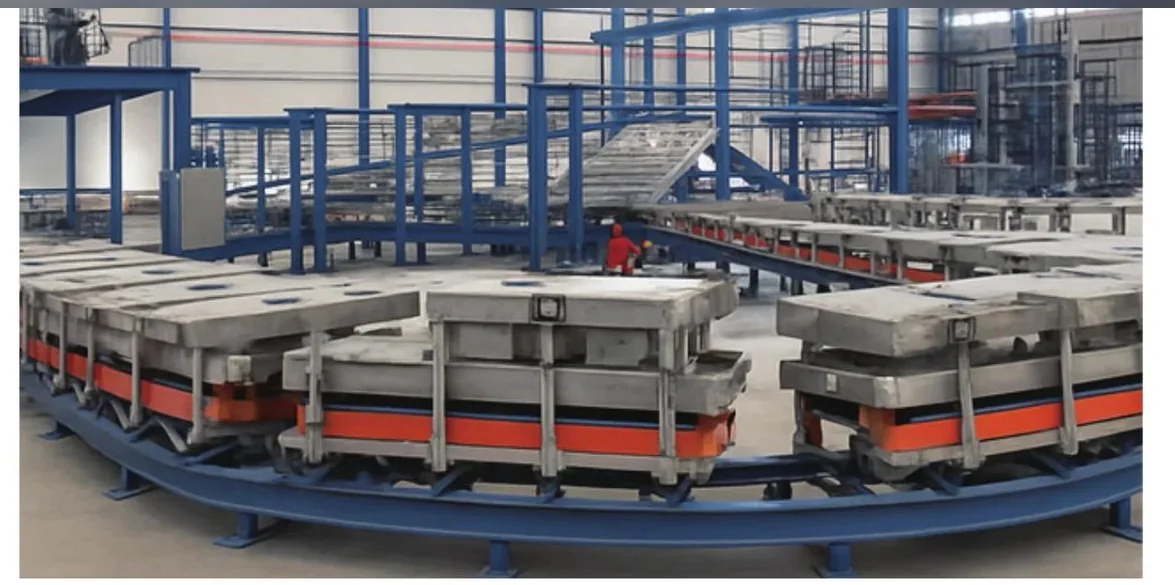
26-Station Ground-Rail Foaming Line Throughput: The Real Math Behind the Numbers
The station count in a foaming line's name is the wrong number to size capacity on. Hourly output is set by takt time and OEE; the 26 stations set curing time and work-in-process. This guide walks the actual throughput math for a closed-loop ground-rail line so you size it against your real production target.
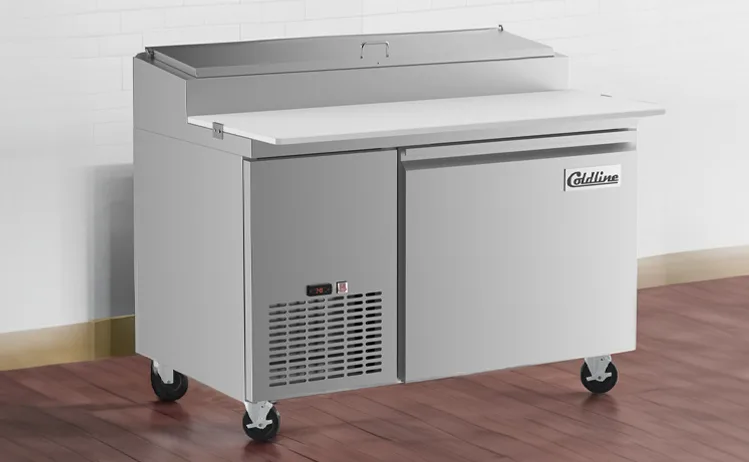
Chef Base PU Foaming, Deep Dive: Why a Load-Bearing Cabinet Is Foamed Differently from a Domestic Fridge
A chef base carries heavy cooking equipment on its top deck, soaks up radiant heat from the cooktop, and is built from two stainless skins — so its PU foam has to be a structural member and an insulator at once. This deep dive walks the engineering that separates chef-base foaming from domestic-cabinet foaming: load-bearing density, k-factor under a hot deck, stainless adhesion, and the defect modes that punish treating the two cabinets the same.

Cigar Humidor Cabinet PU Foam, Deep Dive: Why a Humidity-Holding Cabinet Is Foamed Differently from a Cold-Chain Fridge
A cigar humidor cabinet shares a fridge's two-skin, one-PU-shot construction but not its goal: it holds a narrow 65–72% relative-humidity band at around 18 °C, not a low temperature. This deep dive walks the engineering that makes humidor foaming its own discipline — RH stability, a vapor-tight envelope (ASTM E96 permeance), the condensation a single void causes near saturation, dimensional stability so the door seal stays tight for years, and why it is a precision low-pressure job rather than a high-volume one.