
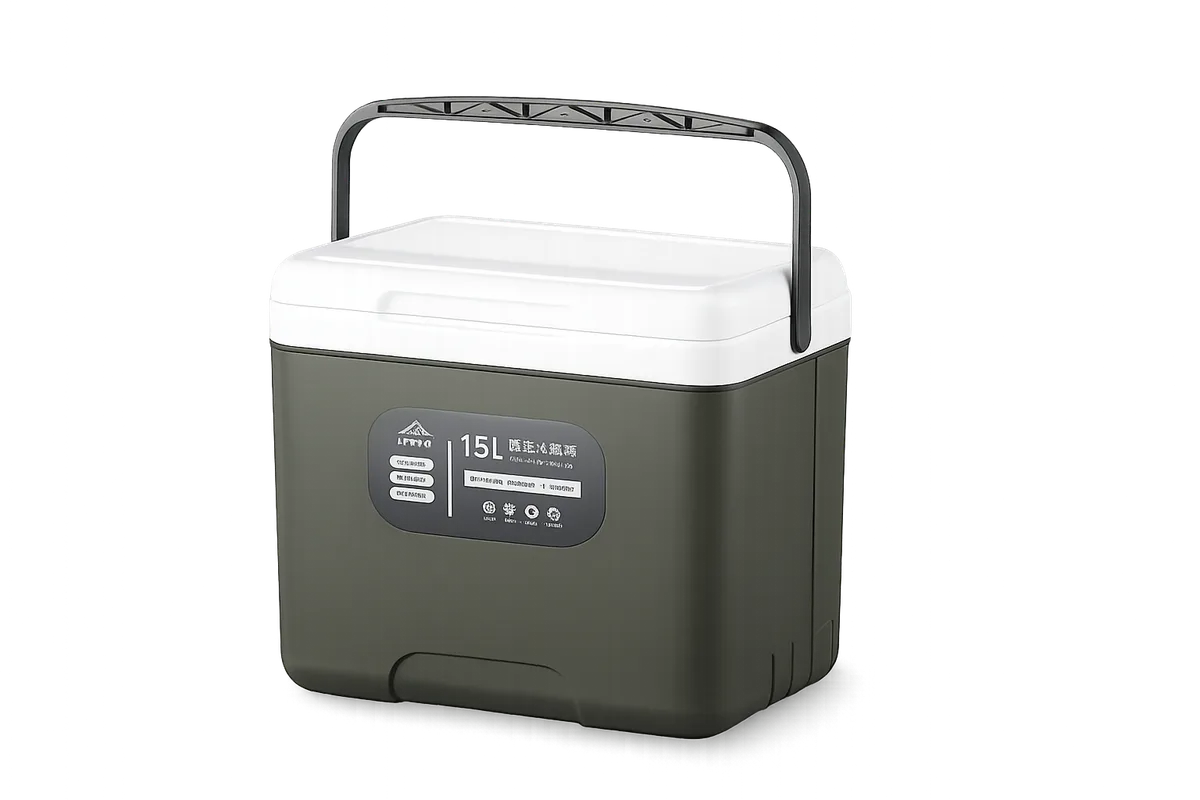
Üretim hattı:
Yalıtım-kutusu hattı bilgi birikimiyle taşınabilir buz kutusu üretim hatları
We build portable icebox lines whose shells survive a 1.5 m drop on concrete — rotationally moulded, blow-moulded or injection-moulded ABS — with 42–48 kg/m³ PU cores for WHO PQS vaccine and medical cold-chain use. Tooling, foaming line and drop-test protocol from one supplier, for 10L – 600L coolers in outdoor recreation, vaccine transport, marine and fishery.
In one line
Proven on vaccine-transport cold chain — insulation performance certified down to 5-day passive hold at +40°C ambient.
Real Pains We Hear from Buyers — and What We Ship to Solve Each One
Four pains every portable-icebox factory founder brings us. Our line ships with the fix.
Outer shell drop-test fails — 1m drop cracks the rotomold or warps the corner
Drop-test failures cluster at the corners. Our rotomould tooling uses reinforced corner geometry + LLDPE-grade resin with impact-modifier blend. Shell wall thickness 3–6 mm uniformly. The rotomoulded LLDPE shells produced from the moulds we supply pass a 1.5 m drop on concrete with no cracking, including marine/fishery models on offshore deck. Injection-moulded ABS parts are a separate case: in high-impact grade with thickened corners they pass the same 1.5 m drop at room temperature, but impact strength falls off below 0°C, so we keep ABS to handles, latches, hinges and panels rather than frozen-payload shells.
Cooler holds ice 48 h on spec sheet but customers complain it melts in 24 h in real use
Real-world ice retention depends on PU foam k-factor, wall thickness, AND seal integrity — most factories miss the seal. Our line ships with a gasket seal compression test on every unit; foam wall thickness 30–80 mm with even fill; lid latch gives 35–50 N closing force. Field-measured ice retention: 5-day spec → 4.5–5 day actual (90% spec retention).
Plastic vs roto-foam vs PU-injected — buyer wants all 3 formats but I have no idea which moulds to buy first
Roto-foam is the volume sweet spot (60% of US/EU market). PU-injected is premium. Pure plastic is budget. We recommend starting with roto-foam tooling (USD 280K covering 4 SKUs across 30L–250L), then adding PU-injected tooling (USD 180K) once volume justifies it. Pure plastic line is a separate platform — usually not worth running on the same floor.
Pelican / Yeti-grade premium positioning needs perfect lid latch + carry handle — my latches break in field
Premium iceboxes win on hardware. Our line includes factory-fitted Sugatsune-grade stainless latches (200,000-cycle rated) + reinforced handle mount + lid hinge with corrosion-resistant pin. Pre-shipment QC tests every latch through 50 open/close cycles. Premium positioning vs commodity iceboxes adds USD 80–250 wholesale per unit.
İhtiyacınız Olan
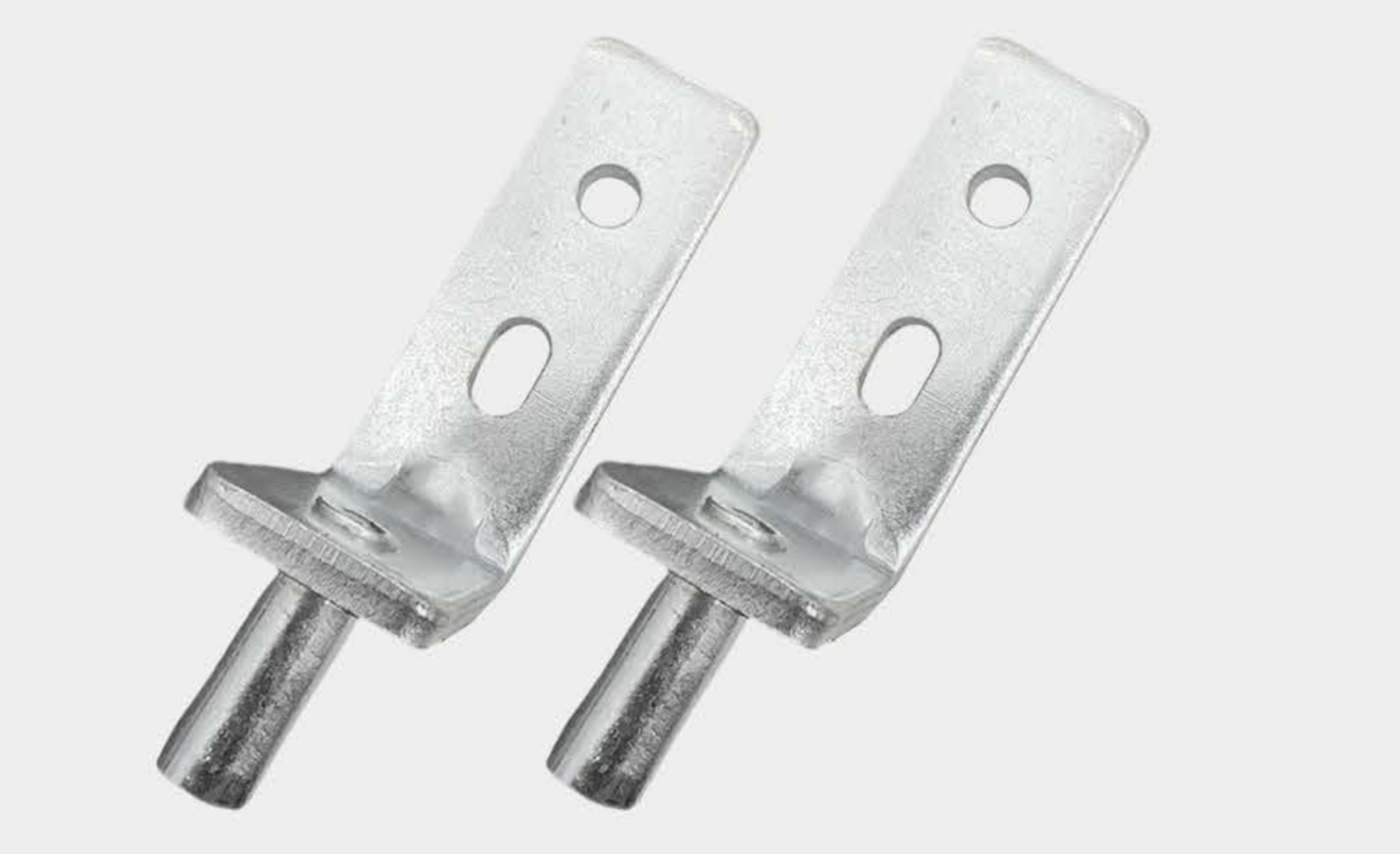
Hardware & Accessories — Bundled with Main Equipment Orders
Complementary hardware fabrication service — supplied alongside our main equipment orders (moulds / PU foaming / production line). Custom-fabricated per your drawings: 5 categories — hinges, brackets, rails & ladders, wire shelves & baskets, grid panels. Not a standalone product line. Consolidated into your main shipment.
Daha Fazla Bilgi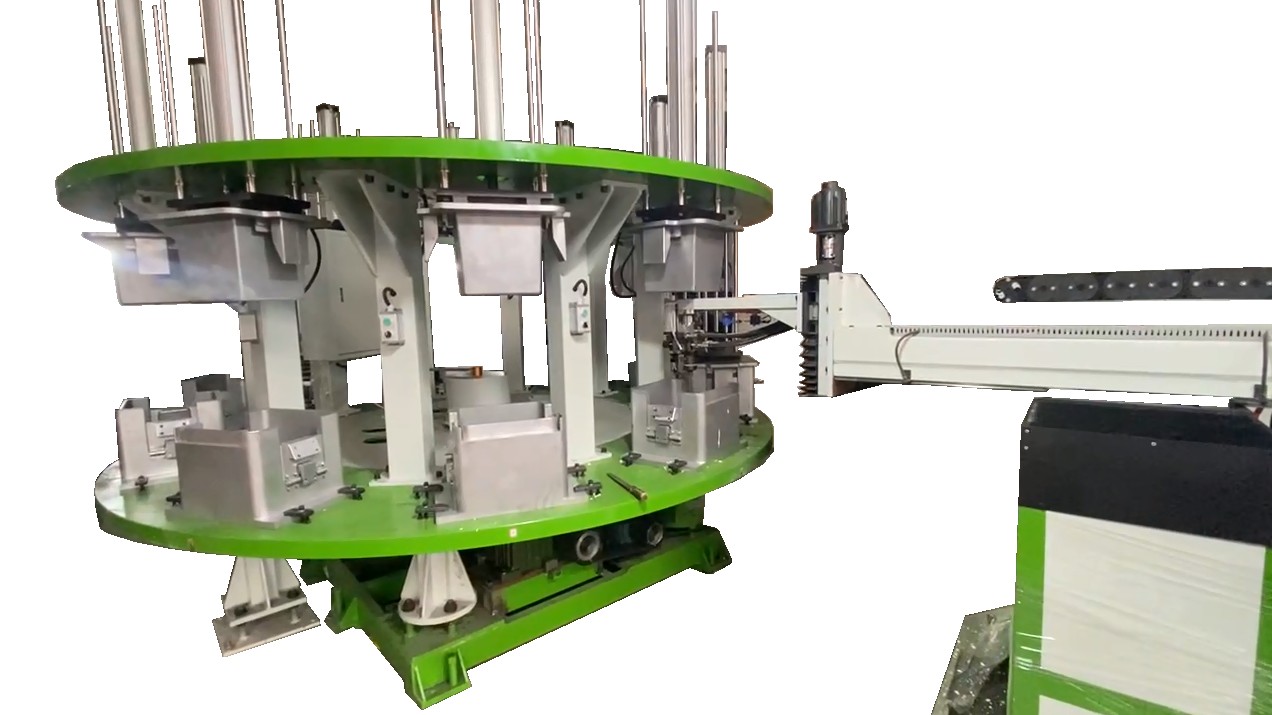
PU Foaming Line for Insulation Box Production
PU foaming module (machine + jigs + recipe) for factory owners building insulated transport boxes 10L–600L — vaccine cold-chain, meal-kit delivery, seafood export. Jig count sized to your daily output (50–2,000+ boxes/day). k=0.022 W/m·K, WHO PQS-ready recipe. Vacuum-forming + assembly + QC are your scope — we supply the BOM.
Daha Fazla Bilgi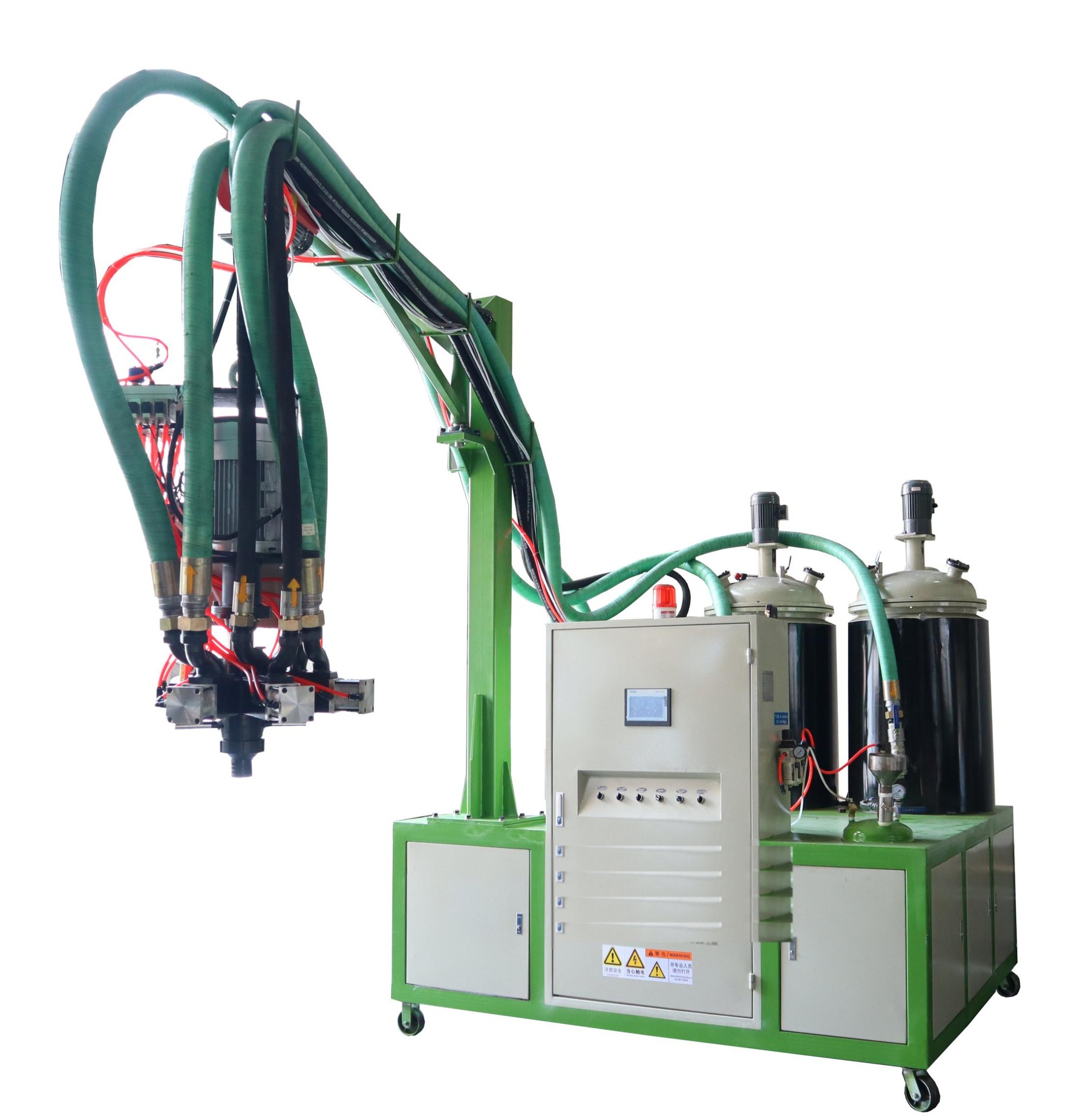
Low-Pressure PU Foaming Machine
Smaller, more flexible machine for wine cabinets, mini-bars, vaccine boxes and R&D pilots. Quick recipe switches when you run dozens of small cabinet variants. 5–250 g/s output.
Daha Fazla Bilgi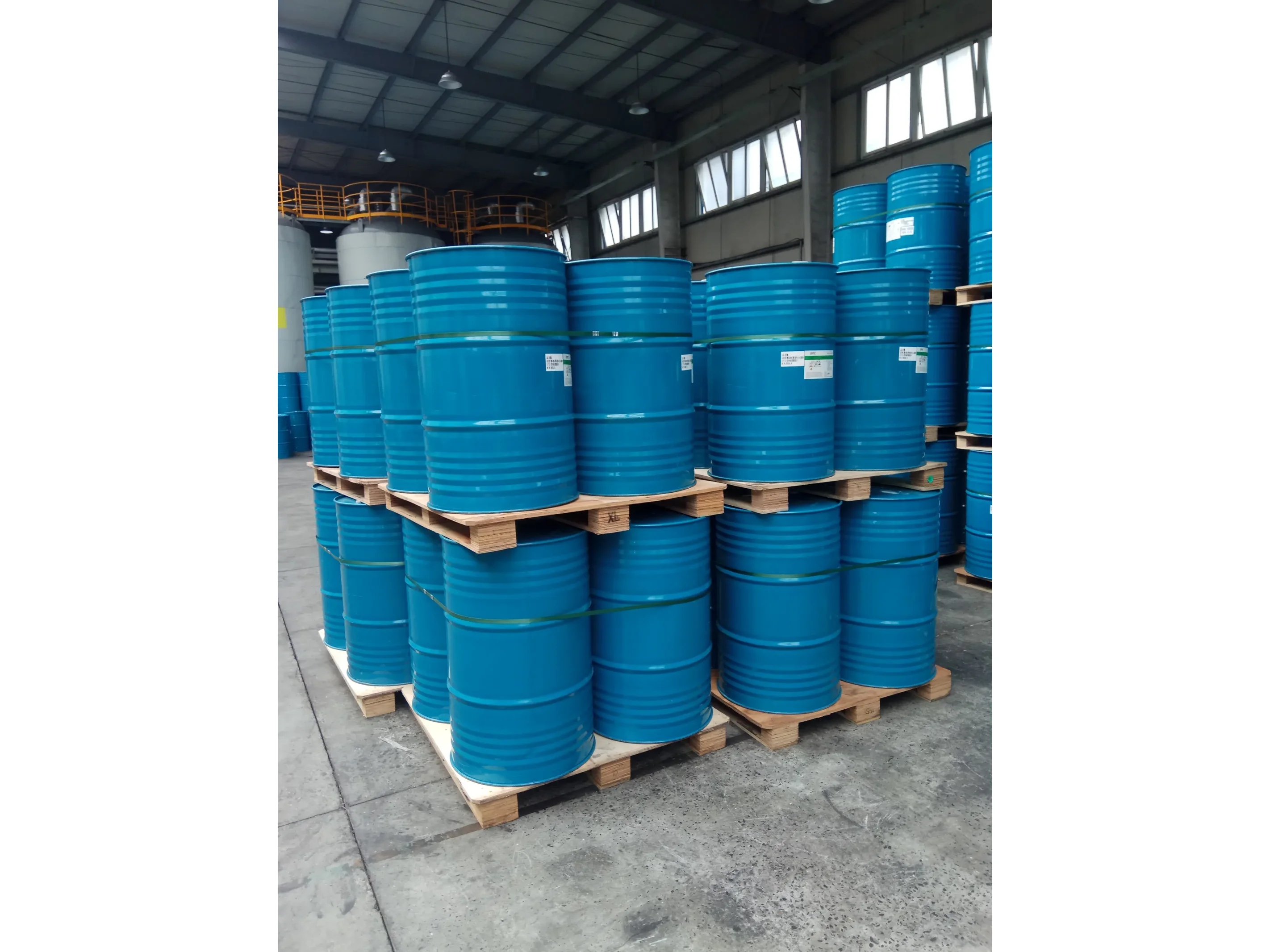
PU Raw Materials System
We make refrigerator-grade PU systems — polyol blend, MDI, blowing agent, all formulated in our own plant. k-factor down to 0.018, density customizable, tuned to your cabinet and your line.
Daha Fazla BilgiPortable cold-retention engineering
Shell Process & Cold-Retention Design
Portable icebox segments split by use case. 4 axes adjust for outdoor / fishery / vaccine / medical positioning.
Format & process
Roto-foam (60% market, 4-SKU base mould USD 280K) / PU-injected (premium, +USD 180K) / pure plastic (separate platform).
Shell material
LLDPE (UV/saltwater for marine), HDPE (impact for outdoor), reinforced-corner geometry for 1.5 m drop test on concrete.
Insulation spec
Foam wall 30–80 mm. PU formulation tuned for ice-retention 24h / 48h / 5-day target.
Hardware grade
Sugatsune 200K-cycle stainless latches for premium positioning (Yeti-grade), or commodity hardware for entry segment.
Shared engineering reference
PU foam quality, testing and acceptance
Closed-cell ratio, density uniformity and thermal testing are documented once in our quality center.
Application Scenarios
Portable iceboxes cover outdoor, fishery, cold-chain and medical use.
- Outdoor camping cooler (Yeti-grade, 30–100 L)
- Fishery icebox (marine-spec LLDPE 250–600 L)
- Vaccine / blood cold-chain box (passive 24-48h retention)
- Beverage cooler for events / catering (commercial 60 L)
- Soft cooler / lunch box (commodity 5–20 L)
- Pharmacy cold-chain shipper (regulated transport)
Questions factory owners ask us
Can injection-moulded ABS parts pass a 1.5 m drop test?
Which shell process do you recommend for medical / vaccine iceboxes?
Do you provide the drop-test report with the tooling?
What's the typical investment for a portable icebox production line?
Can you produce active-cooling iceboxes (12V DC powered)?
Do you support EVA-foam outdoor coolers (lower-cost alternative)?
What's the lead time for vaccine-cold-chain qualified iceboxes?
Can you supply tooling for marine / fishery iceboxes specifically?
Service & Support
Warranty & Service
On-site intervention available in every region where we have delivered projects.
On-Site Installation
Our engineers fly to your factory to supervise installation, layout verification, and first-run production.
Commissioning + Tuning
Trial run + parameter tuning to your local raw material, climate, and target product spec — until throughput meets contract.
Operator Training
5-10 day on-site training for production team, QC, and maintenance — bilingual manuals + video tutorials provided.
3-Year Warranty + Spares
Core equipment 3-year warranty, electrical 2-year. Spare parts in stock with global express shipment 24h dispatch.
Cross-Sell · One-Partner Synergy
Pair this line with the rest of the factory
The product groups our refrigerator-factory customers buy alongside this line — for full-line synergy and one-partner accountability.
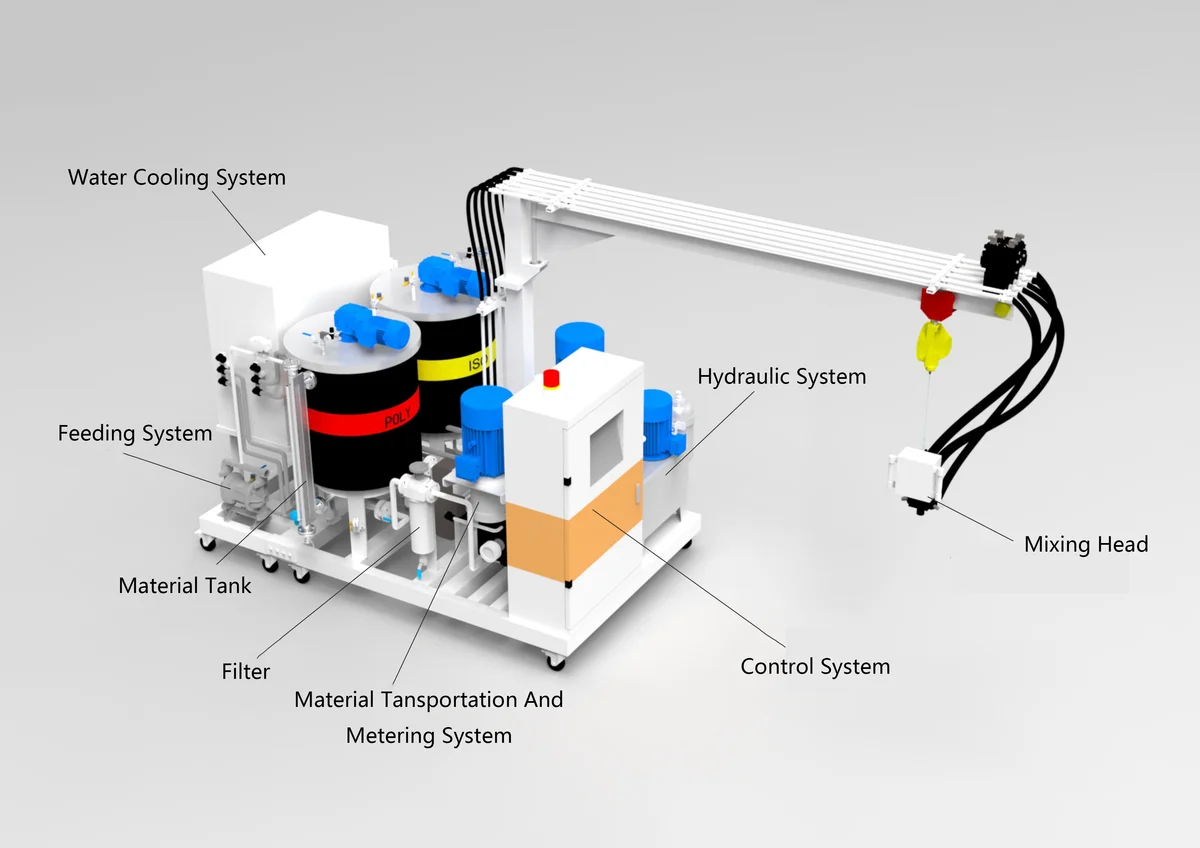
High-Pressure PU Foaming Machines
Cyclopentane / 2-component / 3-component models. Cyclopentane is the refrigerator industry standard.
Learn more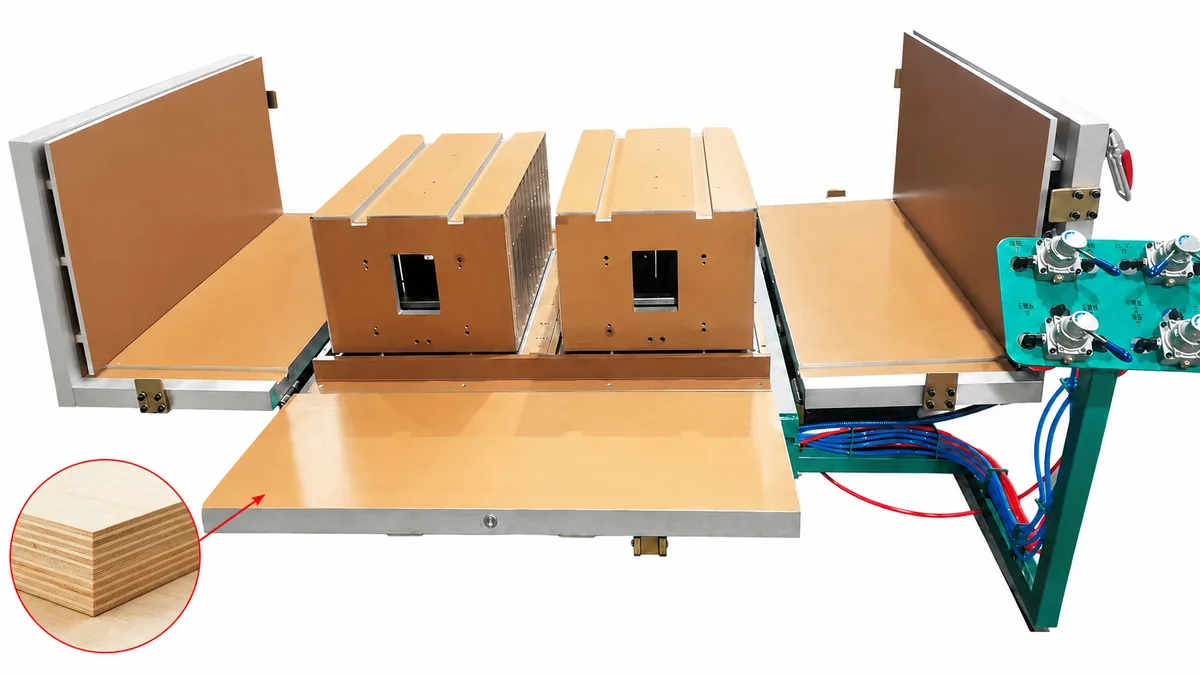
Refrigerator-grade Moulds
Vacuum-forming moulds for inner liners + foaming moulds for cabinet/door. 30-year mould-cluster network.
Learn more
PU Raw Materials System
BASF / Covestro / Wanhua MDI + Polyol — calibrated to your climate, foam density, and cycle time.
Learn more