Projet de réfrigérateurs clé en main vs équipement seul — lequel convient à votre usine ?
Un acheteur OEM de réfrigérateurs demandant un devis entend presque toujours les deux mêmes options : clé en main ou équipement seul. L'écart de prix est généralement de 15-30 %. L'écart de risque est bien plus grand — et pointe souvent dans la direction opposée.
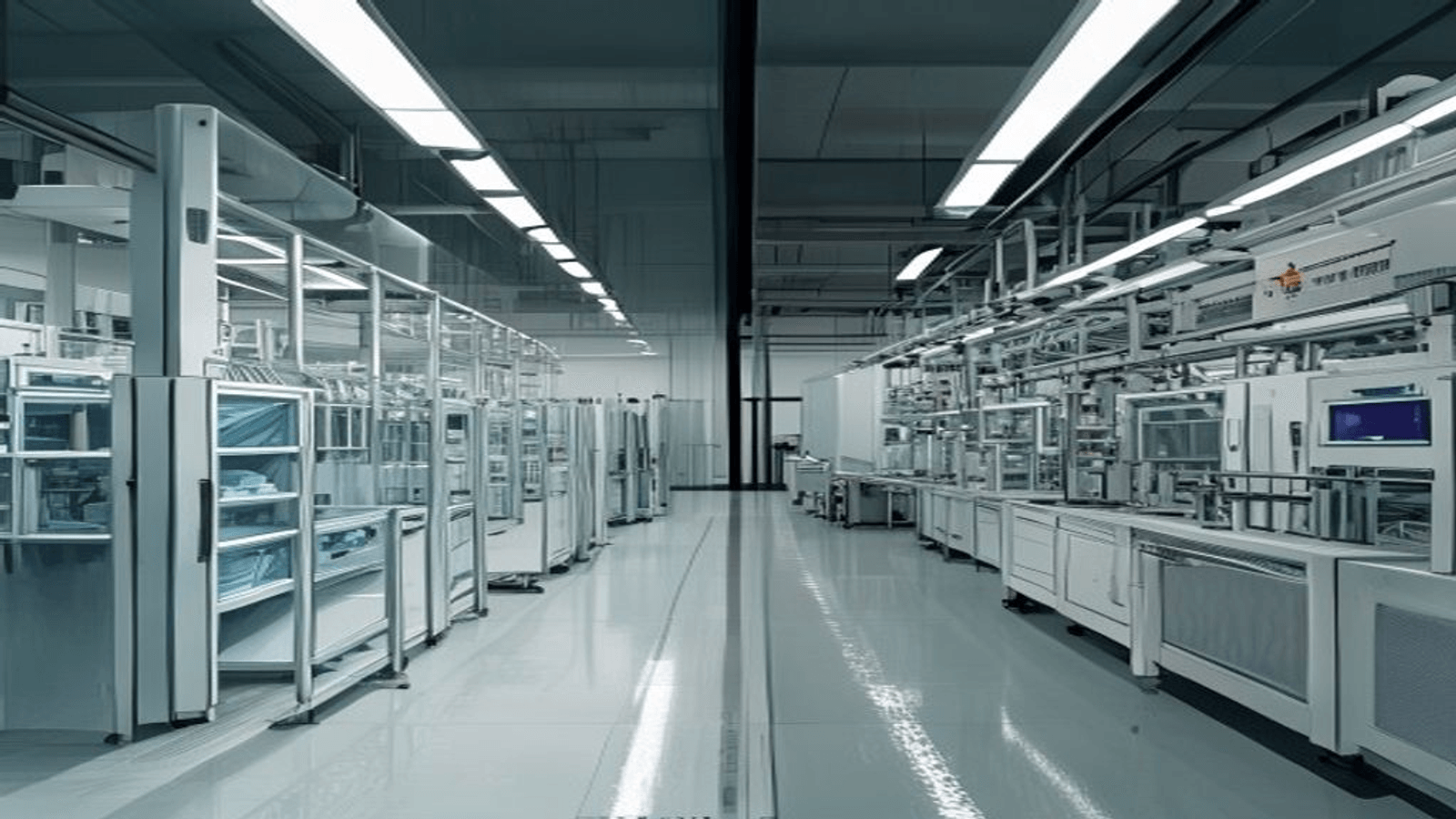
Décision de périmètre de production de réfrigérateurs : clé en main vs équipement seul. Clé en main couvre : conception d'agencement d'usine, pack d'équipement complet, installation sur site, mise en service jusqu'au premier article, support de test de type de classe énergétique, formation des opérateurs, garantie de performance de 12-24 mois. Équipement seul couvre : FAT de l'équipement à l'atelier du fournisseur, fret maritime, manuel de mise en service écrit, liste de pièces — installation et intégration à votre charge. Écart de prix : clé en main 1,9-3,2 M USD pour une ligne de 2 000 unités/jour, équipement seul 1,4-2,5 M USD (15-30 % de moins). Écart de coût réel : les acheteurs équipement seul que nous auditons ont en moyenne +120 jours de retard au premier article, +18 % de dépassement de capex dû à des éléments d'intégration manqués, et deux fois plus de litiges de garantie. Le clé en main est le bon choix quand vous êtes une première usine de réfrigérateurs, que vous étendez votre capacité mais construisez encore une équipe d'ingénierie de production, ou avez besoin d'un lancement de production à date fixe lié à une échéance de marque. L'équipement seul est le bon choix quand vous avez une équipe d'ingénierie de production interne éprouvée exploitant 1+ ligne existante.
Un acheteur OEM de réfrigérateurs demandant un devis entend presque toujours les deux mêmes options : clé en main ou équipement seul. L'écart de prix est généralement de 15-30 %. L'écart de risque est bien plus grand — et pointe souvent dans la direction opposée.
Le mauvais choix n'apparaît pas dans le contrat. Il apparaît six mois plus tard, quand une interface critique entre le poste de moussage et le convoyeur de caissons nécessite trois fournisseurs dans la même pièce pour la réparer, et un seul d'entre eux rappelle.
Ce guide est une comparaison côte à côte de ce que chaque modèle livre réellement, où se cachent les coûts cachés, et un cadre de décision basé sur la profondeur de votre ingénierie interne et votre tolérance au risque projet.
Lecture rapide — clé en main vs équipement seul en un coup d'œil
| Dimension | Clé en main | Équipement seul |
|---|---|---|
| Valeur de contrat affichée | 100 % (référence) | 70-85 % du clé en main |
| Responsabilité d'ingénierie | Fournisseur | Vous |
| Risque d'intégration multi-fournisseurs | Fournisseur | Vous |
| Délai (contrat → premier article) | 6-9 mois typique | 4-7 mois matériel ; +2-4 mois votre intégration |
| Charge d'ingénierie interne | Faible (revue + acceptation) | Élevée (conception + intégration + mise en service) |
| Profil de trésorerie | Jalons initiaux plus importants | Jalons d'équipement plus petits, plus de dépenses de votre côté plus tard |
| Périmètre de garantie | Performance de ligne de bout en bout | Chaque machine séparément |
| Critères d'acceptation | Objectif d'OEE de la ligne entière | Spécifications par machine |
| Meilleur ajustement | Neuf ou première ligne de réfrigérateurs | Expansion d'usine avec équipe d'ingénierie existante solide |
Les chiffres de ce tableau sont typiques pour les lignes OEM de réfrigérateurs dans la fourchette de 1,5 à 8 M USD. Les spécificités varient selon l'échelle de l'usine et le pays, mais les arbitrages structurels sont stables.
Ce que « clé en main » couvre réellement
Le clé en main n'est pas seulement « le fournisseur gère l'installation ». Un véritable périmètre clé en main pour une ligne de production de réfrigérateurs comprend cinq blocs de travail, et un devis qui en omet un n'est pas vraiment clé en main.
Conception d'ingénierie + gel des spécifications
Le fournisseur détient l'agencement de la ligne, l'équilibrage de débit poste par poste, la charge des utilités (électricité, eau, air comprimé, eau glacée pour la mousse), le zonage de sécurité et l'intégration du poste de moussage PU avec le système de manutention des caissons. Le livrable est une spécification gelée que vous approuvez avant le début de la fabrication de l'équipement. Si votre fournisseur vous demande de rédiger la spécification, vous n'achetez pas du clé en main — vous achetez de l'installation.
Fourniture d'équipement + intégration
Chaque machine de la ligne est soit construite par le fournisseur, soit fournie par ses partenaires préqualifiés. Les interfaces critiques — vitesses de convoyeur, signaux d'ouverture de moule, déclencheurs d'injection PU, échanges du poste de test d'étanchéité — sont pré-conçues. Les catalogues de pièces détachées sont unifiés sous un seul système de code d'achat, pas trois codes fournisseurs que vous devez concilier vous-même.
Installation + mise en service + FAT
Le test d'acceptation en usine (FAT) sur le site du fournisseur vous permet de voir la ligne fonctionner sur des caissons de test avant qu'elle ne parte. L'installation sur site est dirigée par le fournisseur avec le soutien de votre équipe. La mise en service fait fonctionner la ligne sur de vrais caissons jusqu'à ce que le débit, la qualité de la mousse et les objectifs énergétiques soient stables. Un contrat clé en main sérieux spécifie un test d'acceptation sur site (SAT) avec des critères de réussite mesurables — pas « le fournisseur déclare que c'est terminé ».
Formation + garantie + transfert
La formation des opérateurs se fait dans votre langue sur votre ligne, typiquement 5-15 jours ouvrés. La formation à la maintenance couvre les tâches préventives quotidiennes/hebdomadaires/mensuelles (le rythme structuré que nous couvrons dans notre liste de contrôle de maintenance de machine de moussage PU). La garantie est de bout en bout sur la performance globale de la ligne, pas sur des machines individuelles qui passent la spécification alors que la ligne sous-performe encore.
Documentation + plans tels que construits
P&ID, schémas électriques, code source de l'automate avec commentaires, manuels de procédures opératoires standardisées, liste de pièces détachées avec codes fournisseurs et délais, rapports FAT et SAT. Sans ce pack, la ligne n'est livrée qu'à moitié — cinq ans plus tard, vous ne pouvez pas moderniser, dépanner ou former de nouveaux opérateurs sans payer le fournisseur d'origine à l'heure.
Ce que « Équipement Seul » couvre réellement
Équipement seul est ce qu'il dit : le fournisseur vous expédie des machines, vous faites tout le reste. Cela peut être la bonne réponse dans les bonnes circonstances, mais le périmètre de « tout le reste » est plus grand que ce à quoi s'attendent les acheteurs novices.
Les machines et leur base
Vous recevez de l'équipement en caisse avec des plans d'installation montrant l'emprise au sol, les boulons d'ancrage, les raccordements aux utilités et les dégagements. Chaque machine a son propre manuel, sa propre garantie, sa propre liste de pièces détachées avec ses propres codes fournisseurs. Le fournisseur est responsable que chaque machine réponde à sa spécification individuelle.
Charge d'ingénierie interne
Votre équipe d'ingénierie détient l'agencement de la ligne, l'équilibrage du débit, la conception des utilités (stockage des produits chimiques de mousse, cheminées de ventilation, extinction incendie pour le cyclopentane si utilisé), la conception d'interface entre machines de différents fournisseurs, l'intégration automate pour que le convoyeur parle au poste de moussage qui parle au testeur d'étanchéité. Les heures s'accumulent vite — la charge d'ingénierie incrémentale typique pour une ligne de réfrigérateurs de taille moyenne est de 800-1 500 heures-ingénieur internes.
Risque d'intégration multi-fournisseurs
Quand le signal d'injection du poste de moussage ne déclenche pas correctement le maintien du caisson, vous êtes l'intégrateur. Le fournisseur de la machine PU dit « notre signal est conforme à la spécification ». Le fournisseur du convoyeur de caissons dit « notre entrée est conforme à la spécification ». Aucun n'a tort individuellement ; l'intégration a tort, et l'intégration est la vôtre. Prévoyez 3-8 semaines de débogage pendant la mise en service pour des problèmes de ce type.
Transfert de documentation
Vous recevez de la documentation par machine, mais pas de documentation de ligne entière. Construire cela — le P&ID, la liste des tags automate au niveau de la ligne, la procédure opératoire de ligne — est le travail de votre équipe. Si la ligne est critique, vous finirez par créer cela de toute façon. Mieux vaut le savoir à l'avance que de le découvrir lors de votre premier audit d'usine.
Coût Total de Possession (Vue sur 5 Ans)
Le prix de contrat affiché est la différence la plus visible et la moins décisive. Une comparaison plus utile est le coût total sur les cinq premières années de la ligne, y compris le travail que vous faites vous-même.
| Composant de coût | Clé en main | Équipement seul |
|---|---|---|
| Achat d'équipement | 2,8 M USD (référence) | 2,1 M USD |
| Ingénierie (interne ou facturée par le fournisseur) | inclus | + 180 K–350 K USD (1 500 h @ 120-230 USD/h chargé) |
| Installation + mise en service | inclus | + 150 K–280 K USD (votre équipe + intégrateurs tiers) |
| Frais généraux de coordination multi-fournisseurs | minimes | + 60 K–120 K USD (temps de chef de projet + risque de retard) |
| Reprise en première année due aux problèmes d'interface | faible | + 80 K–200 K USD (typique pour un intégrateur novice) |
| Rationalisation de l'inventaire de pièces détachées | unifié par le fournisseur | + 30 K–60 K USD (complexité du système multi-codes) |
| TCO sur 5 ans | 2,8 M USD + opex | 2,6 M–3,1 M USD + opex |
Le point n'est pas que le clé en main soit moins cher — le prix d'achat de l'équipement seul est véritablement plus bas. Le point est que l'écart se referme une fois que vous comptez votre propre temps d'ingénierie et la friction d'intégration typique de la première année. Pour les usines achetant leur première ligne de réfrigérateurs, l'écart s'inverse généralement.
Pour l'économie de ligne sous-jacente derrière ces chiffres — répartition du capex, charge des utilités, planification de la main-d'œuvre, retour sur investissement — voir notre guide d'installation, de capacité et d'investissement de ligne de production de réfrigérateurs.
Matrice d'Allocation des Risques
L'autre face du coût est le risque. Voici qui possède quoi selon chaque modèle.
| Risque | Clé en main | Équipement seul |
|---|---|---|
| L'équipement échoue à la spécification individuelle | Fournisseur | Fournisseur par machine |
| La ligne ne délivre pas le débit | Fournisseur | Vous |
| La qualité de la mousse échoue à l'étiquette énergétique | Fournisseur | Vous |
| Bugs d'interface entre fournisseurs | Fournisseur | Vous |
| Conformité cyclopentane / HFO | Fournisseur (si dans le périmètre) | Vous |
| Glissement du calendrier dû aux retards de sous-fournisseurs | Fournisseur | Vous |
| Disponibilité des pièces détachées année 5-10 | Engagement d'un seul fournisseur | Renouvellements multi-fournisseurs |
| Adéquation de la formation des opérateurs | Fournisseur | Vous + fournisseur de formation |
| Exhaustivité de la documentation | Fournisseur | Vous |
L'équipement seul n'élimine pas le risque — il le transfère du fournisseur (et de son tarif pour cela) à vous (et au calendrier de votre équipe d'ingénierie). C'est un échange équitable seulement si votre équipe d'ingénierie a la capacité et l'expérience pertinente.
Quand le Clé en Main l'Emporte
Le clé en main est le choix rationnel quand au moins deux des éléments suivants sont vrais :
- C'est votre première ligne de production de réfrigérateurs, ou votre première ligne à cette échelle
- Votre équipe d'ingénierie interne compte moins de 5 ingénieurs d'intégration de ligne avec expérience de ligne de réfrigérateurs
- Vous entrez sur un nouveau marché réglementaire (étiquettes énergétiques UE, DOE américain, conformité agent gonflant) et avez besoin de l'expertise du fournisseur sur les laboratoires d'essai et les relations avec eux
- Votre calendrier de projet a une date de lancement fixe pilotée par un engagement en aval (contrat client, lancement de produit, grande ouverture d'usine)
- La ligne fait partie d'une usine neuve où les travaux de génie civil, les utilités et la ligne sont tous sur le chemin critique
Le clé en main est aussi le bon choix quand la capacité de gestion est la ressource rare. Coordonner cinq fournisseurs vous-même est un travail à temps plein de six mois ; l'externaliser à un intégrateur unique libère votre équipe pour se concentrer sur la préparation des opérateurs et la chaîne d'approvisionnement.
Quand l'Équipement Seul l'Emporte
L'équipement seul a du sens quand :
- Vous étendez une ligne existante à succès de type similaire, et votre équipe d'ingénierie vient juste d'en faire une
- Vous avez des préférences de fournisseur spécifiques pour des raisons de coût ou de relation qui entrent en conflit avec les partenaires préférés d'un intégrateur unique
- La ligne n'est pas critique ou est expérimentale (ligne R&D, ligne prototype, ligne de secours secondaire) où la friction d'intégration est acceptable
- Vous achetez des composants de fin de cycle (remplacement d'une seule machine de moussage, remise à neuf d'un seul moule) plutôt qu'une ligne entièrement nouvelle
- Votre directeur financier exige un capex initial plus faible et vous pouvez absorber l'ingénierie interne comme opex
Le mot-clé est expansion expérimentée. L'équipement seul pour l'usine n°1 d'une nouvelle famille de produits est un pari différent de l'équipement seul pour l'usine n°4.
Approche Hybride — Achetée Plus Souvent que Vous ne le Pensez
La plupart des OEM de réfrigérateurs expérimentés n'achètent pas purement du clé en main ou purement de l'équipement seul. Le schéma hybride courant :
- Clé en main pour la ligne de moussage — le bloc technique le plus risqué (chimie PU, conformité agent gonflant, acceptation de qualité de mousse) va à un intégrateur spécialisé avec responsabilité de bout en bout. Voir notre analyse machines de moussage PU haute vs basse pression pour comprendre pourquoi ce bloc porte un risque disproportionné.
- Équipement seul pour l'assemblage de caisson + la finition — convoyeur, postes manuels, emballage sont des équipements standards où l'intégration multi-fournisseurs est bien comprise et moins chère à faire en interne.
- Équipement seul pour les lignes annexes de panneaux de stockage frigorifique — si votre usine produit aussi des panneaux sandwich, la ligne de panneaux (guide de référence) est souvent achetée séparément pour éviter de regrouper son risque dans le contrat de la ligne principale de réfrigérateurs.
L'hybride maintient le périmètre technique à haut risque sous un seul fournisseur responsable tout en laissant votre équipe posséder les blocs standards qu'elle comprend déjà. Le résultat est typiquement une économie de TCO de 10-15 % par rapport au clé en main complet, sans le risque d'intégration de l'équipement seul complet.
Vous construisez une usine ? Voir notre guide de ligne de production → Pour une usine complète, parcourez nos solutions pour fabricants de réfrigérateurs.
FAQ
Le clé en main est-il toujours plus cher que l'équipement seul ?
Le prix affiché est plus élevé (typiquement 15-30 %), mais l'écart se referme une fois que vous comptez votre propre temps d'ingénierie, la coordination multi-fournisseurs et la reprise de la première année. Pour les acheteurs de première ligne, le TCO complet favorise souvent le clé en main dès la deuxième année. Pour les expansions expérimentées, l'équipement seul reste moins cher.
Quel est l'écart de prix réel ?
Pour une ligne de production de réfrigérateurs de 2-5 M USD, le devis équipement seul est généralement 400 K-1,2 M USD inférieur au devis clé en main sur le papier. Après l'ingénierie interne, la mise en service, le débogage d'intégration et les frais généraux de pièces détachées, l'écart réalisé se réduit typiquement à 100 K-400 K USD — ou s'inverse.
Puis-je commencer en équipement seul et convertir en clé en main plus tard si je suis bloqué ?
Oui mais c'est coûteux. Une fois l'équipement sur site sous contrats séparés, la mise à niveau vers un intégrateur unique nécessite de renégocier les garanties, de convenir des limites de responsabilité, et de payer une prime pour que l'intégrateur assume la responsabilité d'un équipement qu'il n'a pas spécifié. Planifiez le modèle en amont.
Comment évaluer la crédibilité clé en main d'un fournisseur ?
Demandez trois références clé en main achevées au cours des deux dernières années, la valeur du contrat de chacune, et si le SAT a été réussi du premier coup. Un fournisseur qui a livré trois lignes clé en main de 3 M+ USD ayant réussi le SAT du premier coup est matériellement différent de celui qui a fourni de l'équipement à 50 lignes mais n'a jamais assumé la performance de bout en bout. Les 12 critères de notre guide comment choisir un fournisseur de ligne de production de réfrigérateurs approfondissent ce point.
Qu'advient-il de ma garantie si je mélange des blocs clé en main et équipement seul ?
Vous obtenez une garantie par périmètre. Le bloc clé en main porte une garantie de performance de bout en bout pour ce bloc ; chaque machine équipement seul porte sa propre garantie par machine. L'interface entre eux ne porte aucune garantie — c'est votre équipe. Documentez la spécification d'interface par écrit avant que l'un ou l'autre bloc ne soit acheté.
Combien de temps devrait durer la mise en service clé en main ?
Pour une ligne de réfrigérateurs de 2-5 M USD, la mise en service typique dure 4-8 semaines sur site après l'installation. Tout ce qui est en dessous de 3 semaines suggère des critères d'acceptation trop laxes ; tout ce qui dépasse 12 semaines suggère un FAT inadéquat sur le site du fournisseur. Les critères SAT — débit, qualité de la mousse, conformité énergétique, OEE — doivent être convenus avant la signature du contrat, pas négociés pendant la mise en service.
Le clé en main fonctionne-t-il pour des mises à niveau partielles de ligne ?
Oui, pour des blocs cohérents. Une « mise à niveau du poste de moussage » ou une « rénovation d'assemblage automatisé » clé en main peut être définie proprement. Des « diverses améliorations sur toute la ligne » clé en main ne le peuvent pas — il n'y a pas de livrable unique à accepter. Définissez les mises à niveau clé en main autour d'un changement de performance de bout en bout mesurable (débit en hausse de X %, énergie en baisse de Y %), pas autour d'éléments d'équipement.
Conclusion
Clé en main et équipement seul ne sont pas des options tarifaires. Ce sont deux répartitions différentes du travail d'ingénierie et du risque projet entre vous et votre fournisseur.
Si votre équipe d'ingénierie a déjà fait cela auparavant, l'équipement seul économise de l'argent réel. Si elle ne l'a pas fait — ou si la date de lancement n'est pas négociable — le clé en main est moins cher qu'il n'y paraît une fois que vous comptez votre propre temps et la friction typique de la première année. Le modèle hybride offre à la plupart des OEM expérimentés le meilleur des deux mondes : responsabilité spécialisée là où le risque est concentré, approvisionnement standard là où il ne l'est pas.
Si vous définissez le périmètre d'une ligne de production de réfrigérateurs et souhaitez voir comment un devis clé en main, équipement seul et hybride se comparent pour l'échelle spécifique de votre usine et votre gamme de produits, l'équipe d'ingénierie UREXCEED peut exécuter les trois devis en parallèle — même ligne, trois répartitions de risque — afin que le compromis soit visible avant votre engagement. Parcourez nos solutions de ligne de production de réfrigérateurs pour des configurations à l'échelle de l'usine.
Produits mentionnés dans cet article
Prêt à planifier votre projet frigorifique ?
Indiquez-nous votre objectif de production et votre gamme de produits — notre équipe répond avec un plan de capacité et un devis sous trois jours ouvrés.
Demander un devis techniqueArticles associés
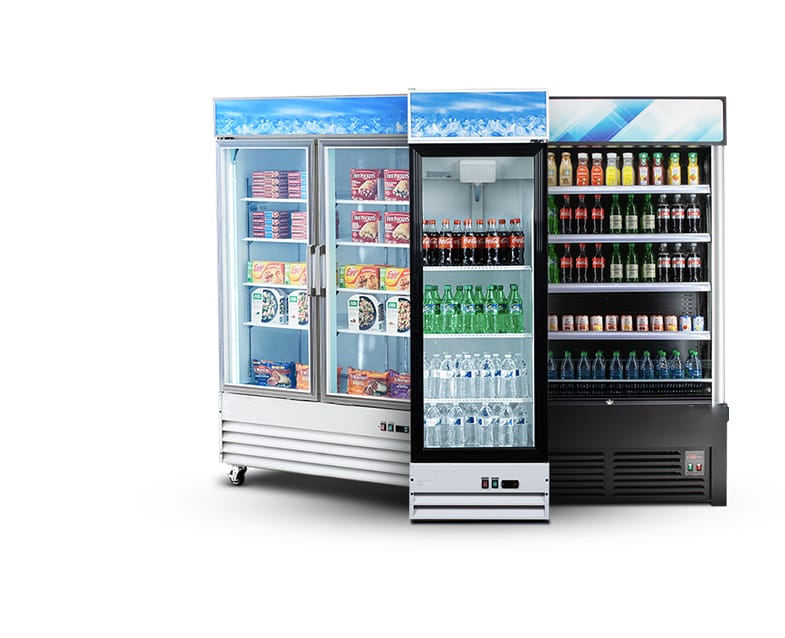
Beverage Cooler Production Line — Cost, Payback & Turnkey Setup (2026 Pillar Guide)
Investment tiers from a single-door entry line to a full bottler-program build, the payback math behind a 3,000-unit/day line, and the complete equipment list and certification checklist a beverage cooler OEM needs to go from contract to first shipment.
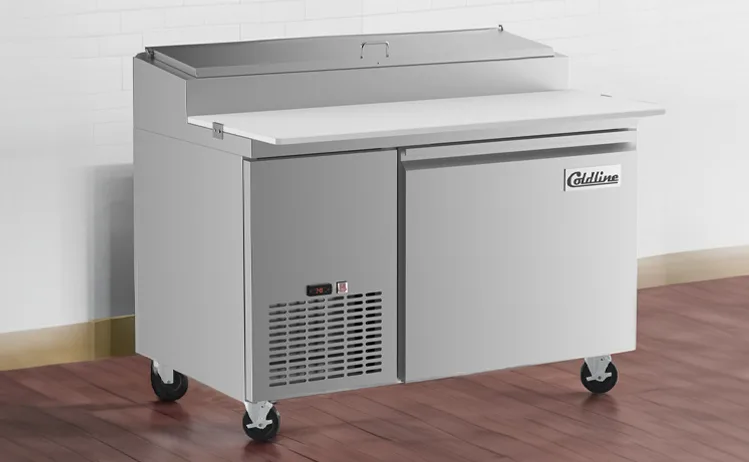
Chef Base Production Line: Cost, Break-Even & Turnkey Manufacturing (2026 Pillar Guide)
Investment tiers, the break-even math behind an 800-unit/day line, and the full equipment list and certification checklist a foodservice OEM needs to start chef base and refrigerated-counter production.
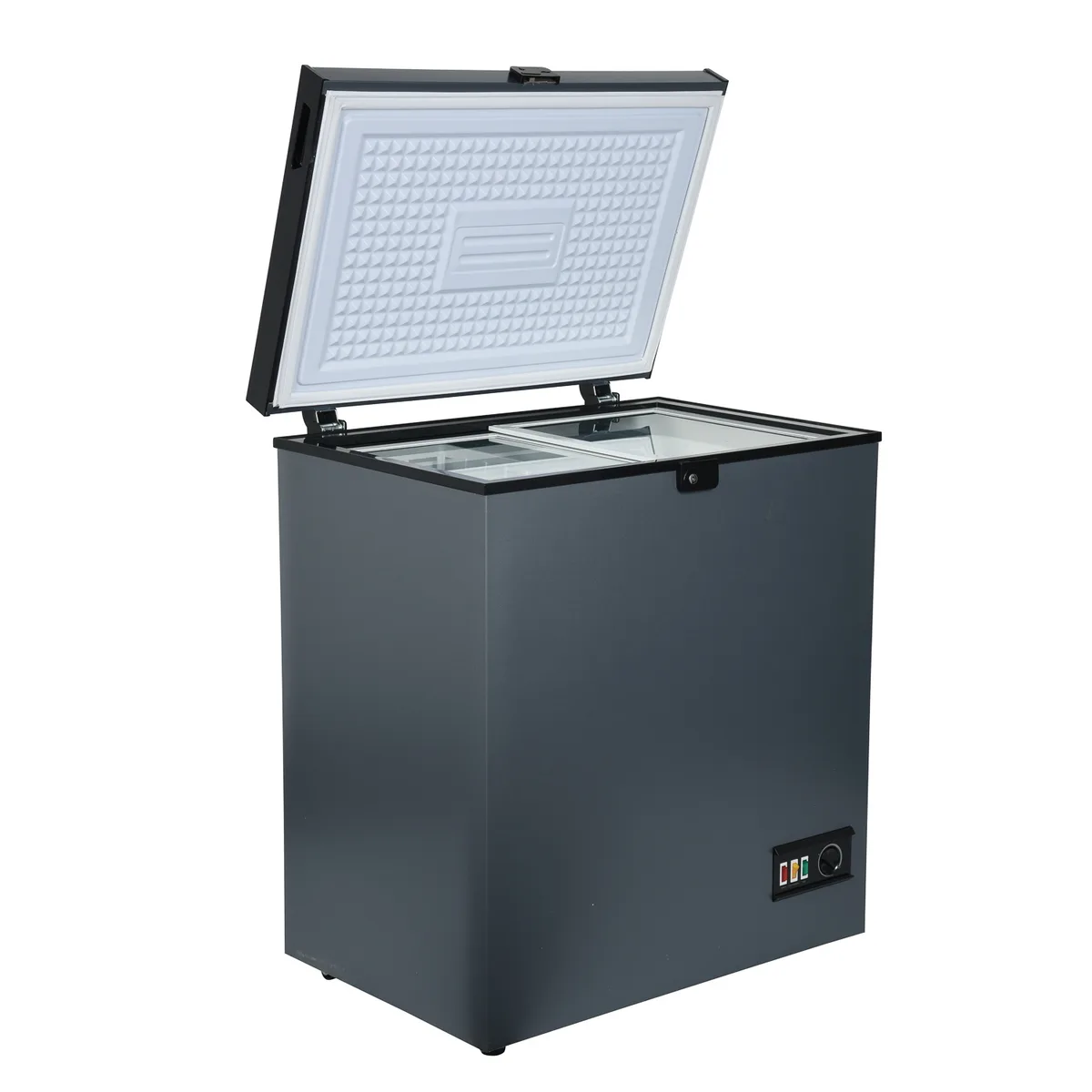
Chest Freezer Production Line — Cost, Capacity & Turnkey Factory Setup (2026 Pillar Guide)
Investment tiers from a 300-unit/day entry line to a 3,000-unit/day ultra-low-temperature build, the ATEX and Ecodesign pitfalls that stall first-time freezer OEMs, and the complete equipment list, mould selection logic and staffing plan needed to go from contract to first accepted cabinet.