
Equipo y máquina de termoformado de revestimiento de refrigerador [2026]: ABS vs HIPS, proceso de 5 etapas
Guía del mercado de máquinas de termoformado de refrigeradores: compare opciones de equipo para revestimientos, materiales ABS vs HIPS, proceso de 5 etapas y costos en USD para compradores de 2026.
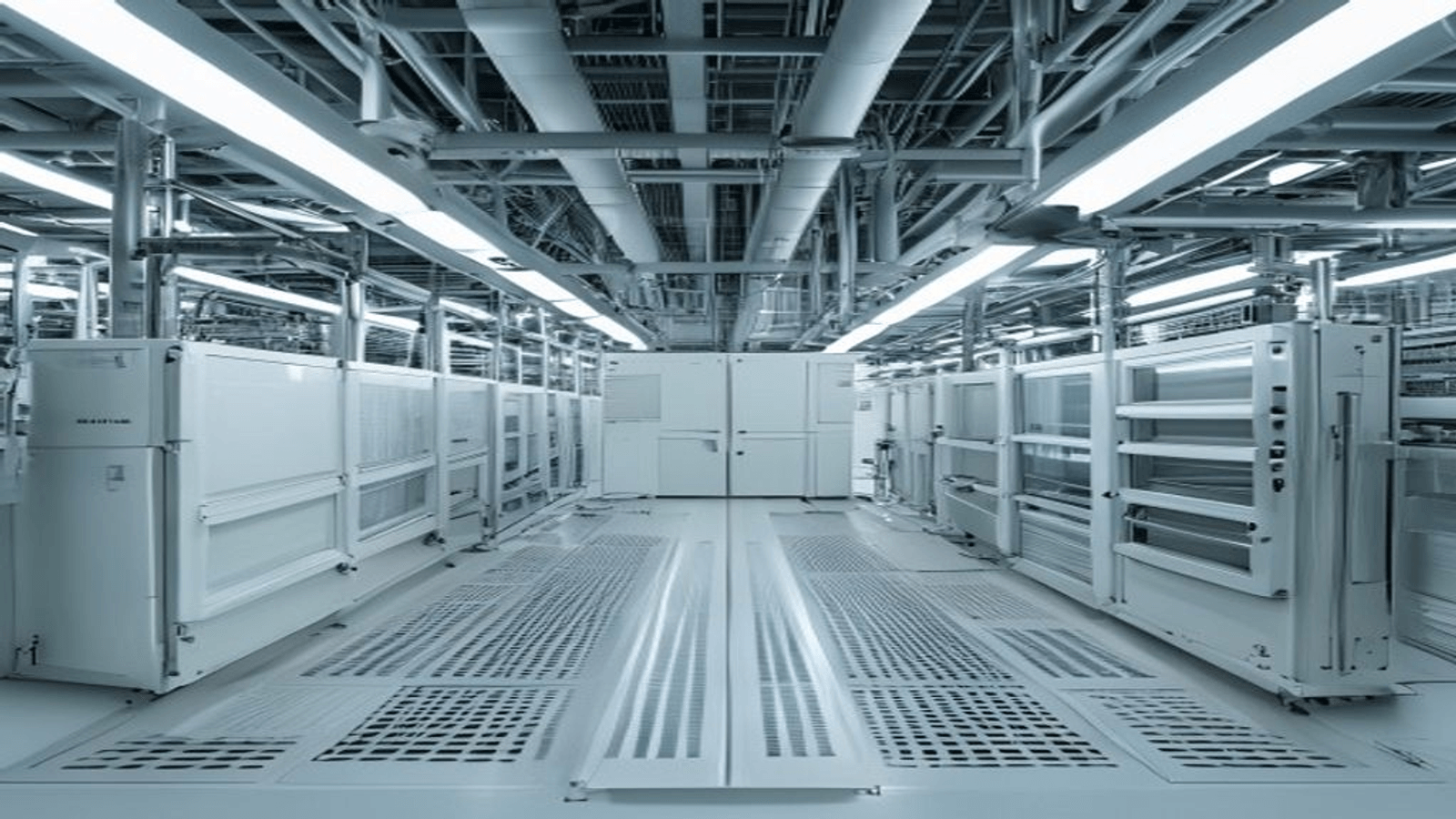
El ABS (USD 1,8-2,5/kg, HDT 90-105 °C) es obligatorio para refrigeradores comerciales y domésticos premium — 2,5× la resistencia al impacto y una resistencia química superior frente al HIPS (USD 1,2-1,6/kg, HDT 75-85 °C). El proceso de 5 etapas: extrusión de lámina → calentamiento IR → termoformado al vacío (20-40 s/ciclo) → enfriamiento y recorte CNC → control de calidad (grosor de pared ultrasónico ≥ 60% del original). Un termoformador semiautomático de dos estaciones (USD 80K-150K) conviene para 300-500 unidades/día. Mantenga el regrind ≤ 20% ABS / 25% HIPS; presegue el ABS a 80 °C si la HR > 60%.
Mercado de máquinas de termoformado de refrigeradores: quién compra y por qué (2026)
Los compradores que investigan el mercado de máquinas de termoformado de refrigeradores se dividen en tres grupos: OEM de refrigeradores y congeladores que agregan o actualizan capacidad de formado de revestimiento para una nueva línea de modelos, plantas de ensamblaje regionales que integran una línea de producción de cadena de frío completa en lugar de abastecerse de revestimientos de terceros, y fábricas que reemplazan una máquina de una sola estación envejecida para elevar la producción por encima de 300-500 unidades/día. Este es un mercado de equipo de línea de producción, no un mercado de piezas de revestimiento terminadas — los compradores están evaluando máquinas, moldes y herramientas como una compra de capital, no abasteciéndose de componentes. Para una visión más amplia de la demanda en todo el sector de cadena de frío, vea nuestra perspectiva del mercado de equipos de cadena de frío. El resto de esta guía cubre los detalles de selección de equipo: materiales ABS vs HIPS, el proceso de 5 etapas, y las especificaciones de máquina.
Por qué el revestimiento interior determina la calidad del refrigerador
El revestimiento termoformado es el primer componente que toca un consumidor al abrir la puerta de un refrigerador. Define la disposición de los estantes, el aprovechamiento del volumen interior y la calidad de construcción percibida — sin embargo, recibe mucha menos atención de ingeniería que los compresores o la espuma aislante. Hacer mal el revestimiento causa tres problemas costosos:
- Deformación después del espumado — si la lámina no puede resistir el exotermo de la espuma PU (pico de 60-80 °C), el revestimiento se deforma y la junta de la puerta ya no sella. Las tasas de devolución por garantía se disparan de 3-5× en los lotes afectados.
- Agrietamiento por tensión — el HIPS barato se agrieta en los puntos de montaje de bisagras después de 2-3 años. El ABS premium resiste el agrietamiento 5× más tiempo bajo la misma tensión cíclica.
- Ataque químico — el revestimiento debe resistir el contacto prolongado con ácidos de alimentos, agentes de limpieza y residuos de agente espumante PU. La selección del material debe cumplir con los estándares ISO 23953 para vitrinas refrigeradas y los requisitos relevantes de pruebas ópticas/mecánicas ASTM — es una decisión de ingeniería.
ABS vs HIPS: los dos materiales de revestimiento dominantes comparados
| Propiedad | ABS | HIPS |
|---|---|---|
| Resistencia a la tracción | 40-55 MPa | 20-35 MPa |
| Resistencia al impacto (Izod) | 200-400 J/m | 80-150 J/m |
| Deflexión térmica (HDT) | 90-105 °C | 75-85 °C |
| Resistencia química | Buena (resiste ácidos de alimentos, detergentes) | Moderada (sensible a grasas, aceites) |
| Ventana de termoformado | 150-180 °C | 130-160 °C |
| Costo de lámina (por kg) | USD 1,8-2,5 | USD 1,2-1,6 |
| Aplicación típica | Doméstico premium, todo comercial | Doméstico económico, una puerta |
Regla general: si el refrigerador se vende al por menor por encima de USD 300 o sirve un entorno comercial, use ABS. Para modelos económicos en mercados sensibles al precio (Sur de Asia, África), el HIPS ofrece un ahorro de costo de lámina del 30-40% mientras cumple con los requisitos básicos de desempeño.
Algunos fabricantes usan lámina coextruida ABS/PMMA — una piel de PMMA de 0,1 mm da un acabado de alto brillo sin el costo total del ABS sólido. Esto es cada vez más común en modelos side-by-side donde la estética interior impulsa las decisiones de compra.
Proceso de producción de termoformado en 5 etapas
- Extrusión de lámina — un extrusor de husillo simple o doble funde pellets de ABS/HIPS en lámina continua (1,5-3,0 mm de grosor, 600-1.200 mm de ancho). La coextrusión agrega una capa superficial en línea. La lámina se calandra con una tolerancia de grosor de ± 0,05 mm y se enrolla en rollos o se corta en blancos.
- Calentamiento de lámina — calentadores cerámicos infrarrojos o calentadores de halógeno de cuarzo llevan la lámina a la temperatura de formado. El ABS necesita 150-180 °C; el HIPS necesita 130-160 °C. La uniformidad del calentamiento (± 3 °C a través de la lámina) es crítica — los puntos calientes causan puntos delgados en la pieza final.
- Termoformado al vacío — la lámina calentada se estira sobre un molde de termoformado al vacío mientras el vacío (0,06-0,09 MPa) la introduce en cada detalle. El asistente de émbolo se usa para embuticiones profundas (relación profundidad-ancho > 0,5) para prevenir un adelgazamiento excesivo en las esquinas. Ciclo típico: 20-40 segundos por cavidad.
- Enfriamiento y recorte — aire comprimido o canales de molde enfriados por agua enfrían el revestimiento formado por debajo del HDT en 15-25 segundos. Un router CNC o prensa de troquelado recorta la pestaña a las dimensiones finales (± 0,3 mm). Objetivo de tasa de desecho: ≤ 8% (el desecho se vuelve a moler y se mezcla de nuevo en una proporción de 15-20%).
- Inspección de calidad — cada revestimiento se somete a medición de espesor de pared (medidor ultrasónico, el mínimo en el punto de embutición más profundo debe ser ≥ 60% del espesor original de la lámina), verificación visual de defectos y verificación dimensional contra el molde maestro.
Especificaciones de máquina de termoformado de revestimiento de refrigerador
Una máquina de termoformado de revestimiento de refrigerador se clasifica por número de estaciones y área de formado — la siguiente tabla agrupa las tres clases de máquina que una fábrica de revestimientos típicamente evalúa, desde manual de una estación hasta rotativa automática de 3 estaciones.
| Tipo de máquina | Área de formado | Tiempo de ciclo | Presupuesto (USD) |
|---|---|---|---|
| Manual de una estación | 1.200 × 800 mm | 60-90 s | 25.000-50.000 |
| Semiautomática de dos estaciones | 1.500 × 1.000 mm | 35-50 s | 80.000-150.000 |
| Rotativa automática de 3 estaciones | 2.000 × 1.200 mm | 20-35 s | 200.000-400.000 |
Para una fábrica que produce 300-500 refrigeradores por día, un termoformador semiautomático de dos estaciones emparejado con dos juegos de moldes de termoformado al vacío (uno para el compartimento de alimentos frescos, uno para el congelador) es la configuración más rentable. Los moldes necesitan reemplazo cada 80.000-120.000 ciclos — planifique el cambio de molde en su modelo de capacidad de línea de producción.
Ya sea que lo llame equipo de termoformado o máquina de termoformado, los compradores que evalúan cualquiera de los términos están preguntando sobre el mismo activo de producción. Una unidad completa no es una sola máquina sino un conjunto de subsistemas: el banco de calentamiento IR/cuarzo, la estación de formado con herramental de vacío/asistente de émbolo, y la estación de enfriamiento y recorte CNC río abajo. Cuando solicite una cotización para este equipo, pida a su proveedor que detalle los tres subsistemas más el juego de moldes — abastecerse de ellos como un solo paquete de línea de producción evita desajustes de interfaz entre la salida del calentador, el tiempo de ciclo de formado y el número de cavidades del molde. La tabla de especificaciones anterior cubre los parámetros que importan independientemente del término que busque.
4 errores que elevan las tasas de rechazo de revestimiento por encima del 10%
- Calentamiento desigual de la lámina — reemplazar elementos calefactores quemados uno por uno en lugar de por zonas crea una variación de 10-15 °C. Solución: mapee la salida del calentador con una cámara IR mensualmente y reemplace en zonas completas.
- Proporción de regrind incorrecta — exceder el 20% de regrind en ABS o el 25% en HIPS degrada la resistencia al impacto por debajo de la especificación. Rastree el regrind por peso, no por volumen.
- Omitir la calibración del asistente de émbolo — la temperatura del émbolo y la velocidad de recorrido deben recalibrarse cada vez que cambia el grosor de la lámina o el grado de material. Un émbolo frío se pega; un émbolo caliente marca la superficie.
- Ignorar la humedad ambiental — el ABS absorbe humedad (0,2-0,4% en peso). La lámina almacenada más de 48 horas sin deshumidificación muestra burbujas durante el calentamiento. Preseque a 80 °C durante 2-4 horas si la HR ambiental > 60%.
Para una comparación detallada de moldes de termoformado al vacío y moldes de espumado usados en la producción de refrigeradores, vea nuestra guía de Termoformado al Vacío vs Molde de Espumado. Si está evaluando el sistema de espuma PU que se une al revestimiento termoformado, entender la resistencia térmica del revestimiento es esencial para evitar la deformación.
¿Construyendo una fábrica? Vea nuestra guía de línea de producción → Para una planta completa, explore nuestras soluciones para fabricantes de refrigeradores, o envíenos la especificación de su revestimiento para una cotización de molde de termoformado.
¿Cuál es la diferencia entre ABS y HIPS para revestimientos de refrigerador?
El ABS (Acrilonitrilo Butadieno Estireno) ofrece resistencia al impacto, resistencia química y brillo superficial superiores, convirtiéndolo en el estándar para revestimientos de refrigeradores domésticos. El HIPS (Poliestireno de Alto Impacto) cuesta 15-25% menos y es más fácil de termoformar, haciéndolo adecuado para vitrinas comerciales y mercados sensibles al costo. El ABS domina en modelos premium y de exportación; el HIPS es común en aplicaciones económicas y comerciales.
¿Qué grosor de lámina es estándar para el termoformado de revestimiento de refrigerador?
El grosor estándar de lámina de revestimiento de refrigerador es 1,5-2,5 mm antes del formado. Después del termoformado, el grosor de pared en esquinas y áreas de embutición profunda se reduce a 0,6-1,0 mm. Las láminas iniciales más gruesas (2,0-2,5 mm) se usan para gabinetes más grandes y diseños de embutición profunda donde el adelgazamiento de esquinas es más severo.
¿Qué tan rápido puede una máquina de termoformado producir revestimientos de refrigerador?
Una máquina de termoformado al vacío de una estación produce 30-60 revestimientos por hora dependiendo del tamaño de lámina y la profundidad de formado. Las máquinas de termoformado de doble lámina o las máquinas rotativas multiestación pueden alcanzar 80-120 revestimientos por hora. Para una fábrica de 1.000 unidades/día operando dos turnos, una máquina de alta velocidad o dos máquinas estándar típicamente proporcionan capacidad suficiente.
¿Qué se incluye en un paquete completo de equipo de termoformado de revestimiento de refrigerador?
Un paquete completo cubre cuatro elementos: el termoformador en sí (banco de calentamiento, estación de formado, estación de enfriamiento/recorte), un juego a juego de moldes de termoformado al vacío para los compartimentos que produce, herramental de asistente de émbolo dimensionado para su embutición más profunda, y accesorios de recorte CNC para el perfil de la pestaña. Los compradores que solo se abastecen de la máquina base y agregan moldes por separado a menudo encuentran desajustes de tiempo de ciclo entre los dos. Envíenos la especificación de su revestimiento y cotizaremos el paquete completo.
¿Qué causa tasas de rechazo por encima del 10% en el termoformado de revestimiento?
Las cuatro causas más comunes son: calentamiento desigual de la lámina (variación de 10-15 °C entre zonas de calentador), proporción excesiva de regrind (por encima del 20% para ABS o 25% para HIPS), calibración incorrecta del asistente de émbolo después de cambios de grado de material, y absorción de humedad en lámina de ABS almacenada por encima del 60% de humedad relativa sin presecado. El mapeo mensual con cámara IR de las zonas de calentador y el rastreo estricto de regrind por peso previenen la mayoría de los problemas de calidad.
¿Se puede reutilizar el material de regrind en la producción de revestimientos de refrigerador?
Sí, dentro de límites estrictos. El regrind de ABS no debe exceder el 20% de la mezcla total de lámina, y el HIPS no debe exceder el 25%. Más allá de estas proporciones, la resistencia al impacto cae por debajo de la especificación. El regrind debe rastrearse por peso (no por volumen), secarse antes de la re-extrusión, y probarse para consistencia del índice de fluidez de fusión. Muchas fábricas mantienen silos de regrind separados por grado de material para prevenir la contaminación cruzada.
¿Listo para planificar su proyecto de refrigeración?
Comparta su objetivo de producción y mezcla de productos — nuestro equipo de ingeniería responde con un plan de capacidad y cotización en tres días hábiles.
Solicitar cotización de ingenieríaArtículos relacionados
Cold Room Panel Manufacturers in the UAE: Why "Civil Defence Approved" Is Not One Question
In the UAE, a panel's paperwork has to satisfy a federal code, a product certification scheme, and an emirate-level listing — and Abu Dhabi has just formalised 54 local amendments of its own. A brochure line reading "Civil Defence approved" answers none of those three. Here is what to ask instead, why a European supplier's fire pack is the wrong currency here, and what a 45°C ambient does to the thickness you thought you needed.
Converting a Refrigerator Foaming Line to Cyclopentane: Retrofit vs New Machine, Cost and Timeline
Switching from HFC-245fa to cyclopentane is an equipment and safety-infrastructure project, not a raw-material swap. Here's how to decide between retrofitting an existing foaming machine and buying a new cyclopentane-ready one, what the safety infrastructure actually costs, and a realistic project timeline.
Freezer Mould Selection Guide: Chest vs Upright vs Display Cabinet
A freezer mould is not one product — chest (horizontal), upright and display (island / glass-door) freezers each need a different mould geometry, clamping load and cure schedule. This guide picks the right freezer mould family by cabinet size, volume and operating temperature.