
Medical Refrigerator Foaming — PU Specifications for Vaccine Cold Chain (−20°c to −86°C)
A domestic refrigerator that runs 2°C warmer than its label costs a household USD 30 a year in spoiled groceries. A medical refrigerator that runs 2°C warmer costs a vaccine campaign hundreds of doses and a regulatory investigation. The foam is where that 2°C lives.
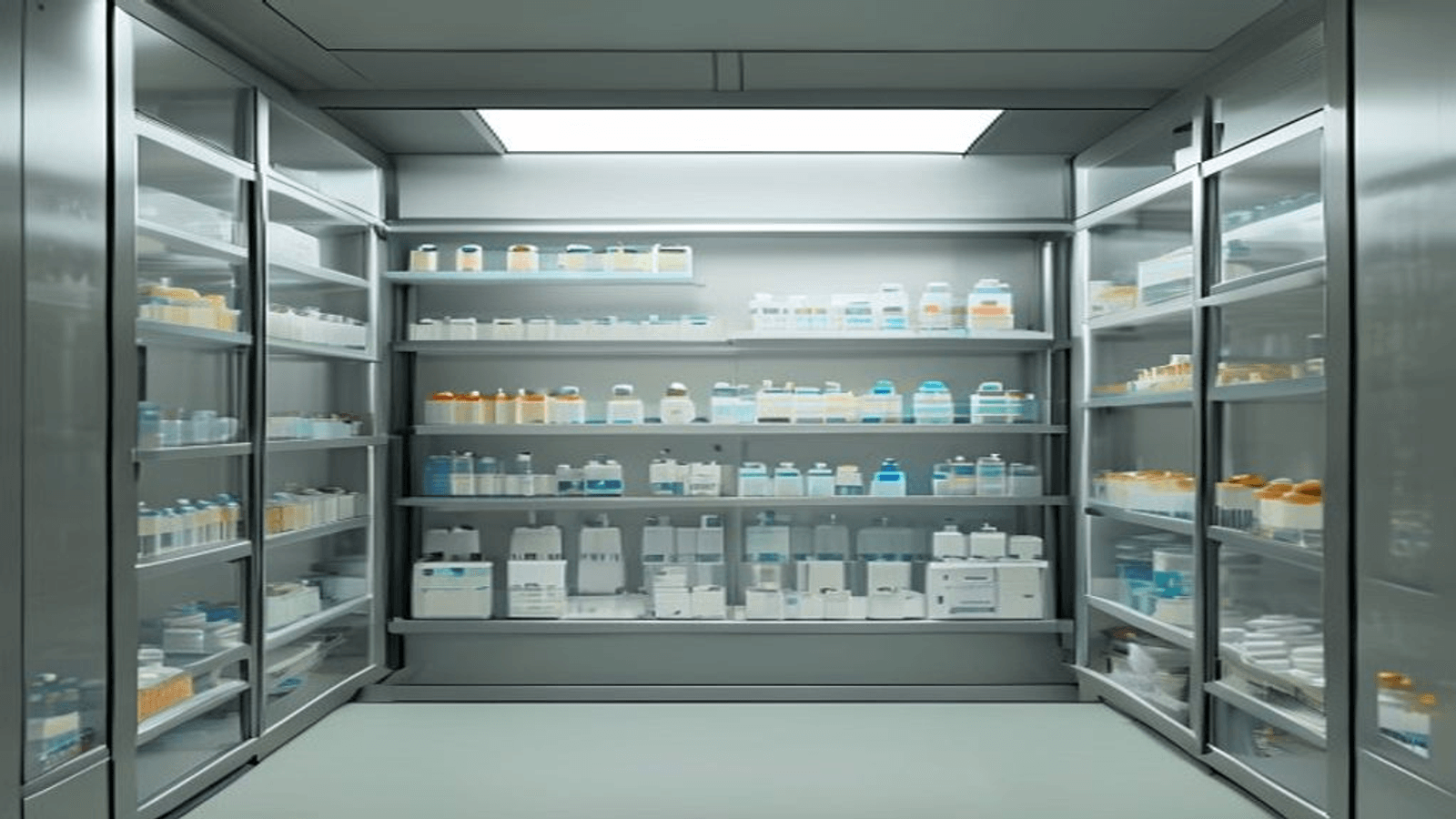
Four medical cold-chain temperature tiers and the PU foam spec each demands. Tier 1 (+2 to +8°C blood / pharma fridge): 40 kg/m³ density, k-factor ≤ 0.022, 60-80 mm wall. Tier 2 (−20 to −30°C vaccine freezer): 45 kg/m³, k ≤ 0.020, 100-120 mm wall + double-gasket door. Tier 3 (−40 to −60°C plasma): 48 kg/m³, k ≤ 0.019, 150 mm wall, polyurethane-VIP hybrid wall option. Tier 4 (−70 to −86°C ULT): VIP-dominant wall, PU as outer layer only, ≥ 200 mm, k ≤ 0.005 composite. Production-line requirements: cyclopentane blowing agent + heated platen at 50°C ± 1°C + 100% leak-test per cabinet + traceability to foam batch + ASTM F1980 simulation report for shelf life.
A domestic refrigerator that runs 2°C warmer than its label costs a household USD 30 a year in spoiled groceries. A medical refrigerator that runs 2°C warmer than its label costs a vaccine campaign hundreds of doses and a regulatory investigation.
This is why medical refrigerator foaming specifications are not a polite step up from domestic specifications — they are a different production-line discipline. Foam density runs 25-40% higher, K-factor target is one tier tighter, dimensional stability under thermal cycling has to be documented, and the closed-cell content has to clear 95% on every batch, not just the FAT samples.
This guide is a pillar reference covering the four medical cold chain temperature tiers, the PU foam specifications each one requires, the three production-line architectures that can serve the segment, and the compliance framework that decides which factories can ship into regulated markets at all.
Speed-Read — Medical Refrigerator Foam Specifications
| Temperature tier | Application | Wall thickness | Foam density | K-factor target | Closed-cell content |
|---|---|---|---|---|---|
| +2°C to +8°C | Routine vaccines, biologics | 60-80 mm | 38-42 kg/m³ | ≤ 0.022 W/m·K | ≥ 93% |
| -20°C to -25°C | Frozen vaccines, lab samples | 80-100 mm | 40-45 kg/m³ | ≤ 0.021 W/m·K | ≥ 94% |
| -40°C to -50°C | Plasma, some live vaccines | 120-150 mm | 42-48 kg/m³ | ≤ 0.020 W/m·K | ≥ 95% |
| -70°C to -86°C | mRNA vaccines, biobanking | 150-200 mm + VIP layer | 45-50 kg/m³ + VIP | ≤ 0.019 W/m·K (composite) | ≥ 95% |
Numbers in this table are working specifications for compliant medical refrigerator manufacturers. Specific certification requirements (WHO PQS, FDA cGMP, EN) tighten some parameters further by application.
The Four Medical Cold Chain Temperature Tiers
Medical cold chain is not one product class — it is four, each with distinct regulatory frameworks, foam specifications and production-line implications.
Tier 1: +2°C to +8°C — Routine Vaccines and Biologics
This is the largest segment by volume. WHO Essential Programme on Immunization vaccines, most biologic drugs, blood products and many lab reagents live in this band. Regulatory frame is dominated by the WHO PQS (Performance, Quality and Safety) standard for vaccine cold chain equipment in developing-country immunisation programmes, and by national pharmacy/healthcare regulators in developed markets.
Foam specification at this tier is the closest to high-end domestic refrigeration, but with critical differences: temperature uniformity ≤ 2°C across the entire compartment (vs ≤ 4°C tolerated in domestic), hold-over time during power outage typically 8-24 hours, and ice-lined or solar-direct-drive variants for off-grid deployment in low-resource settings.
Tier 2: -20°C to -25°C — Frozen Vaccines and Lab Samples
The varicella vaccine, some seasonal influenza vaccines, and a broad swath of laboratory reagents and biological samples live in this band. The production-line challenge is condensate management: cycling between -20°C interior and ambient during door openings creates thermal shock on the foam-skin interface. Production-line specifications add a vapour barrier between foam and inner liner, and dimensional stability testing under temperature cycling (typically 50-100 cycles between -25°C and +30°C) becomes part of FAT.
Tier 3: -40°C to -50°C — Plasma and Specialised Vaccines
Plasma storage, certain live virus vaccines, and some research applications need this tier. Production specifications converge with cold-room equipment: foam density above 42 kg/m³, mandatory floor-side foaming (not just walls and door), and high-density polyol formulations that resist the thermal stress at the foam's cold face. The general principles of PU foam density and K-factor for cold chain insulation apply, with the medical tier requiring tighter tolerance and per-batch QA documentation.
Tier 4: -70°C to -86°C — Ultra-Low for mRNA and Biobanking
This is the segment that grew explosively during the COVID-19 mRNA vaccine campaigns and has stayed structurally larger since. mRNA vaccines, biobanks, stem cell repositories and high-end research labs require -70°C to -86°C continuously, and a 24-hour hold-over during power loss. At this tier, PU foam alone cannot reach the required K-factor — production architecture switches to composite walls combining PU foam with VIP (Vacuum Insulation Panels), or in some designs, layered PU + aerogel. The foaming production line is one block of a multi-block insulation stack-up rather than the whole insulation.
PU Foam Specifications That Define Medical Cold Chain
Four specifications separate a medical-grade PU foam batch from a high-end domestic batch.
Density (40-50 kg/m³ vs Domestic 32-38)
Higher density means more polymer per cubic centimetre of foam, which improves both thermal performance and dimensional stability. The trade-off is foam cost (USD 0.30-0.60 more per cabinet) and slower fill (longer foaming station cycle time, typically 8-15 seconds extra). The production-line implication is that foaming machine output rating must be sized 25-35% higher than the same line would need for domestic production.
K-Factor Target (≤ 0.020 W/m·K vs Domestic 0.022)
K-factor is the foam's thermal conductivity. Lower is better. Achieving ≤ 0.020 W/m·K requires a tight closed-cell structure, the right blowing agent (cyclopentane or HFO outperform HFC-245fa on long-term K-factor stability), and consistent batch chemistry. Production-line QA must include K-factor measurement on representative samples per batch, not just once at FAT.
Closed-Cell Content ≥ 95%
Closed-cell content measures the fraction of foam cells that are sealed (vs open cells that allow gas exchange and moisture ingress). Medical specification is ≥ 95% closed-cell content; high-end domestic is often 90-93%. The difference comes from polyol chemistry, mixing-head impingement quality (high-pressure mixing outperforms low-pressure here — see our high-pressure vs low-pressure PU foaming machines breakdown), and curing condition consistency.
Dimensional Stability Under Thermal Cycling
Medical cabinets see repeated door openings and the foam-skin interface sees thermal shock. Specification typically requires < 1% linear change over 50-100 cycles between -25°C and +30°C. Production-line implication: per-batch sample retention for thermal cycling QA, and foam formulation tuned for low coefficient of thermal expansion.
Why Standard Domestic Lines Cannot Pass Medical Specification
The gap between a high-end domestic refrigerator production line and a compliant medical line is wider than most line buyers expect. The five most common failures during medical-line qualification are:
- Foaming machine under-spec'd for higher density. A domestic-tier machine sized for 32-38 kg/m³ struggles to consistently deliver 42-45 kg/m³ at production cycle time. Result: density variance batch-to-batch, K-factor failing on roughly 1-in-5 samples.
- Mixing-head impingement quality marginal for ≥ 95% closed cell. Low-pressure machines with mechanical mixers cannot reliably achieve the cell uniformity medical foam requires. Conversion to high-pressure is mandatory above the +2°C/+8°C tier.
- No per-batch QA infrastructure. Domestic production lines sample at FAT and spot-check thereafter. Medical lines need per-batch density, K-factor and closed-cell measurements with retained samples — typical capex addition USD 80,000-150,000 for measurement equipment alone.
- Door foaming jig too loose for tighter seal cavity. Medical refrigerator door gasket cavities are typically 0.3-0.5 mm tighter tolerance than domestic, requiring rework of the door foaming jig or a fully separate medical-tier door foaming station.
- Vapour barrier layer missing. Domestic foam-to-inner-liner interfaces tolerate moisture migration; medical applications cycling through low temperatures cannot. Adding a vapour barrier requires either a redesigned inner liner moulding or an extra production-line step.
The cumulative gap typically requires USD 200,000-500,000 of line modification — sometimes more than buying a dedicated medical line from the start.
Three Production-Line Architectures for Medical Refrigerators
Medical refrigerator production fits one of three architectural choices, each with different capex, throughput and temperature-tier coverage.
Architecture A — Adapted Domestic Line (Cheap, Limits to Tier 1)
Take an existing high-end domestic refrigerator line and add: an upgraded foaming machine sized for 42 kg/m³ density, per-batch QA equipment for density and K-factor, and door foaming jig rework. Typical incremental capex USD 250,000-450,000 on a USD 2M-3M domestic line. Best for: an OEM already producing premium domestic refrigerators who wants to add a medical-grade vaccine refrigerator (+2°C/+8°C tier) as an adjacent product line. Limit: Tier 1 only. Frozen and ultra-low tiers require a dedicated line.
Architecture B — Dedicated Medical Line (Mid-Range, Covers Tier 1-3)
Purpose-built medical refrigerator line, typically high-pressure foaming station with cyclopentane or HFO compliance, vapour barrier station, automated per-batch QA, dedicated door foaming with tighter tolerances. Typical capex USD 1.8M-4M for a 50-200 units/day line. Covers Tiers 1-3 (+8°C through -50°C). Best for: dedicated medical refrigerator manufacturer with sufficient volume to justify a single-purpose line.
Architecture C — Ultra-Low Composite Line (Premium, Covers Tier 1-4)
Multi-station foaming + VIP integration line for -70°C to -86°C ultra-low equipment. Adds a VIP placement station, composite wall assembly fixtures, dual-foam (skin + core) capability, and ultra-low-temperature QA chamber for final test. Typical capex USD 4M-8M+ for a 20-80 units/day line. Best for: specialised ultra-low manufacturer or major medical OEM with strong mRNA / biobanking demand.
The choice often follows market segmentation. An OEM serving vaccine procurement programmes in developing countries optimises for Architecture B at moderate cost. An OEM serving research and biobanking customers in developed markets needs Architecture C and prices accordingly.
Compliance and Certification — What Production Has to Prove
Medical refrigerator certification is segmented by application and target market. The most common frameworks a production line has to support:
- WHO PQS (vaccine cold chain in immunisation programmes) — performance + quality + safety testing including temperature uniformity, hold-over time, energy consumption, ambient temperature range. Required to bid into UNICEF, Gavi and most national immunisation procurement programmes.
- EN ISO 13485 (medical device quality management system) — system-level certification covering design, production, traceability and post-market surveillance. Required for CE-marked medical refrigerators in the EU and many other markets that recognise the standard.
- FDA 21 CFR Part 820 (US Quality System Regulation) and Part 11 (electronic records) — for US-market medical refrigerators, especially those with electronic temperature logging.
- GMP cold storage guidance (varies by region) — for refrigerators used in pharmaceutical manufacturing and distribution, often requiring temperature mapping, qualification protocols (IQ/OQ/PQ) and audit trails.
- EU GDP (Good Distribution Practice) — for refrigerators in pharmaceutical wholesale and distribution chains.
Production-line implications: traceability per cabinet (serial number → foam batch → QA records), per-batch retention samples typically 5 years, documentation packages per-unit (mfg date, foam batch, QA results, certification scope). These add USD 15-40 per cabinet in QA and documentation cost vs domestic production — material on margin but trivial vs the regulated price point.
Cost and Investment Comparison
| Architecture | Tier coverage | Typical line capex (USD) | Typical units/day | Cost per cabinet (incremental over domestic) |
|---|---|---|---|---|
| A: Adapted domestic + upgrades | Tier 1 only | +250K to +450K on existing line | 100-300 | +30 to +60 per cabinet |
| B: Dedicated medical line | Tier 1-3 | 1.8M to 4M (greenfield) | 50-200 | +80 to +180 per cabinet |
| C: Ultra-low composite line | Tier 1-4 | 4M to 8M+ | 20-80 | +300 to +800 per cabinet (Tier 4 only) |
Pricing follows: medical refrigerators sell at 3-6× domestic refrigerator price points, with ultra-low ULT freezers selling at 10-20×. The capex multiple is roughly the same as the price multiple, which keeps gross margin proportional — but the QA, certification and post-market surveillance overhead is meaningfully higher.
For supplier selection at this tier, the 12 criteria in our how to choose a refrigerator production line supplier guide apply — with extra weight on per-batch QA infrastructure, blowing-agent compliance documentation, and reference customers in regulated medical markets.
FAQ
What is the minimum PU foam density for a medical vaccine refrigerator?
WHO PQS-aligned manufacturers typically specify ≥ 40 kg/m³ for the +2°C/+8°C tier and ≥ 42 kg/m³ for -20°C and below. Some national regulators publish stricter minima. Lower density is rejected during qualification testing because it fails the temperature uniformity and hold-over time requirements that drive label compliance.
Can I produce medical refrigerators on a domestic refrigerator production line?
For the +2°C/+8°C tier with significant line modifications (higher-density foaming machine, per-batch QA, door jig rework), yes. For -20°C and below tiers, no — the foam thickness, density and QA infrastructure differences are too large to bolt on. Plan a dedicated line.
What blowing agent is mandatory for medical cold chain foam?
No single blowing agent is mandatory, but K-factor stability over the 10-15 year service life of medical equipment favours cyclopentane or HFO over HFC-245fa. HFO is preferred where the higher chemical cost is affordable (premium product lines) due to its non-flammability simplifying clean-room and laboratory installation. See our cyclopentane vs HFC-245fa vs HFO blowing agents breakdown for the trade-off math.
Why is closed-cell content so important for medical refrigerators?
Open cells allow gas exchange and moisture ingress, which degrade K-factor over time and risk creating condensation paths inside the wall. Medical equipment must hold spec for 10-15 years; foam with 90% closed-cell content drifts in K-factor by year 5, foam with ≥ 95% closed-cell holds spec for the full service life.
Do I need vacuum insulation panels for -40°C medical refrigerators?
Not necessarily. Well-engineered 120-150 mm PU foam with K-factor ≤ 0.020 W/m·K can hit -40°C tier with conventional architecture. VIP becomes mandatory below -70°C where PU alone cannot reach the required composite K-factor. Some manufacturers use VIP at -40°C/-50°C to reduce wall thickness for cabinet space optimisation.
What's the typical hold-over time requirement?
Tier 1 (+2°C/+8°C) typical 8-24 hours depending on application. Tier 2 (-20°C) typical 24-48 hours. Tier 4 (-70°C/-86°C) typical 24-72 hours and increasingly required by mRNA biobanking customers. Hold-over time drives both foam specification and compressor sizing.
Can I sell uncertified medical refrigerators internationally?
In most regulated markets, no. Importing healthcare equipment without local certification (CE for EU, FDA registration for US, MHRA for UK, etc.) typically blocks both customs clearance and hospital procurement. Plan certification before production tooling, not after — retroactive qualification is expensive and often forces production-line rework.
How long is the typical certification timeline?
Lab testing + documentation cycle for WHO PQS or CE marking typically runs 6-12 months for a new model. Production-line FAT and qualification adds 2-4 months on top. Plan the certification timeline in parallel with line commissioning, not sequentially.
Bottom Line
Medical refrigerator foaming is not a tighter version of domestic foaming — it is a different production discipline with different machine specs, different QA infrastructure, different documentation burden and different compliance frameworks. OEMs that try to bridge the gap with a high-end domestic line and "extra QA" typically discover the gap during regulator audit, not before.
The right approach depends on temperature tier and target market: Architecture A for +2°C/+8°C adjunct production, Architecture B for the broad +8°C through -50°C medical market, Architecture C for premium ultra-low equipment serving mRNA, biobanking and research.
If you are scoping a new medical refrigerator line, an upgrade from domestic, or a Tier 4 ultra-low capability, the UREXCEED engineering team sizes the foaming station, QA infrastructure and compliance handoff together so the line is certifiable from FAT, not after a retrofit cycle. Browse our medical refrigerator manufacturing solutions for tier-specific architectures, or see our cold chain market outlook to 2031 for where medical and pharmaceutical demand is heading.
Related engineering deep-dives
For the buyer-intent procurement pillar with 4 compliance frameworks and 6-criteria evaluation, see Medical Refrigerator OEM Manufacturer in China. For the food vs medical cold-chain engineering divergence, see Medical vs Food Cold Chain Refrigerator Engineering. For the humidity-plus-temperature engineering that shares specialty foaming methodology, see Cigar Humidor Cabinet PU Foam. For the OSHA + EN 378 compliance framework on walk-in freezer assemblies used in pharmacy back-of-house, see OSHA + EN 378 walk-in freezer safety requirements.
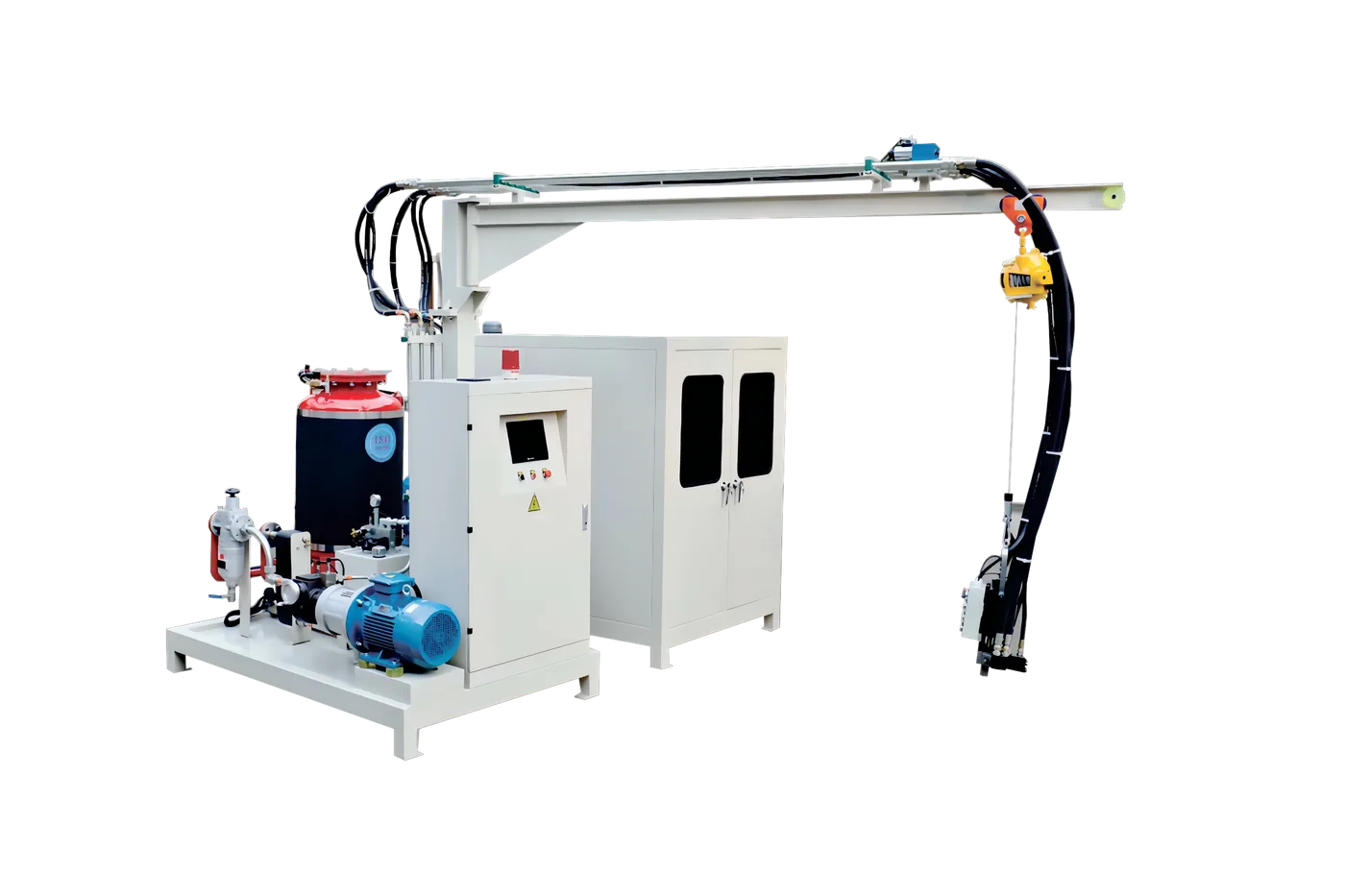
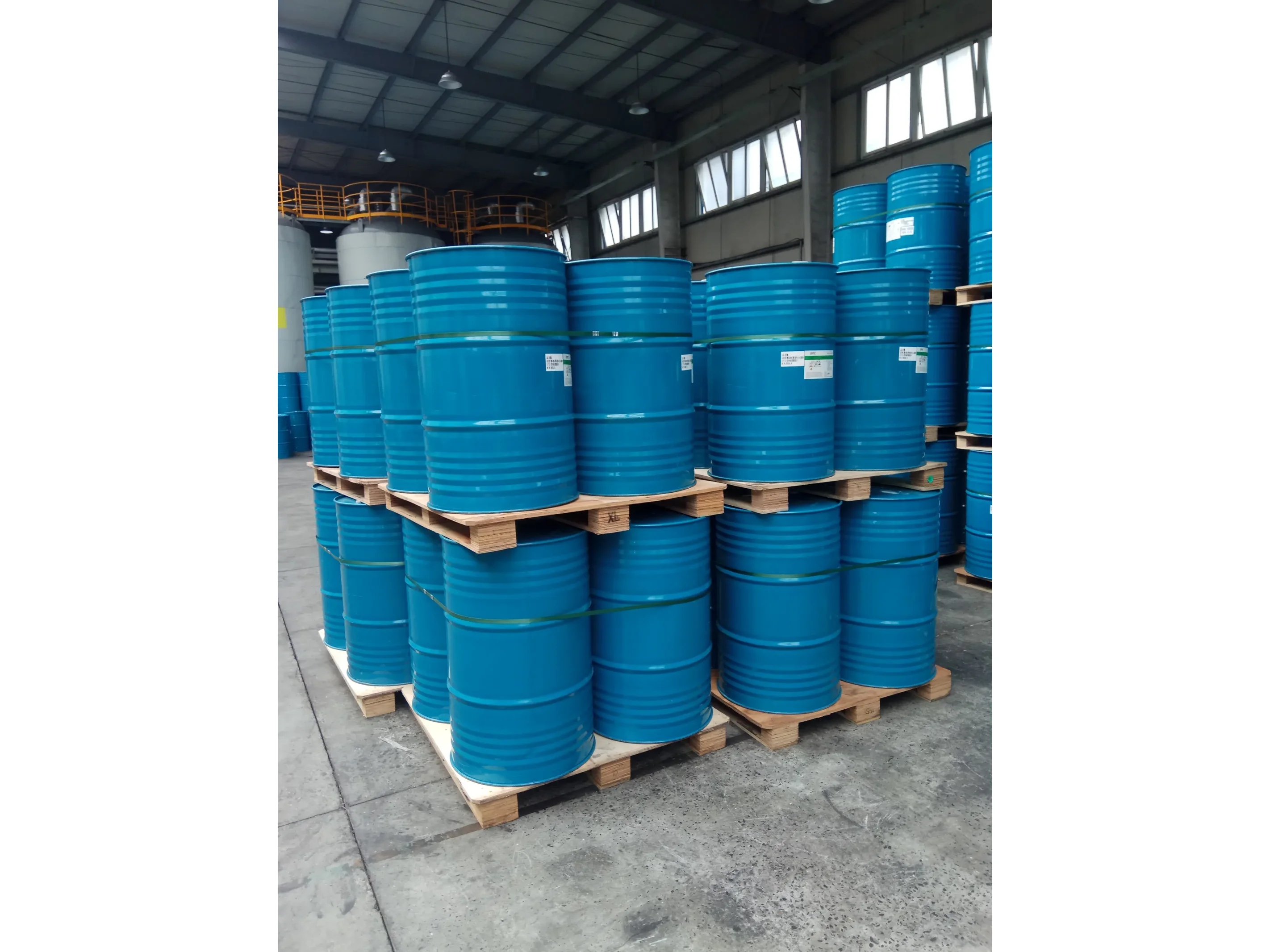
Produits mentionnés dans cet article
Prêt à planifier votre projet frigorifique ?
Indiquez-nous votre objectif de production et votre gamme de produits — notre équipe répond avec un plan de capacité et un devis sous trois jours ouvrés.
Demander un devis techniqueArticles associés
Beverage Cooler Production Line — Cost, Payback & Turnkey Setup (2026 Pillar Guide)
Investment tiers from a single-door entry line to a full bottler-program build, the payback math behind a 3,000-unit/day line, and the complete equipment list and certification checklist a beverage cooler OEM needs to go from contract to first shipment.
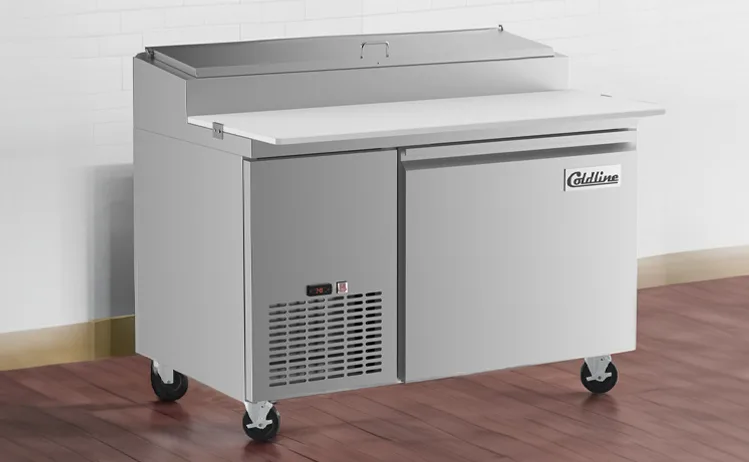
Chef Base Production Line: Cost, Break-Even & Turnkey Manufacturing (2026 Pillar Guide)
Investment tiers, the break-even math behind an 800-unit/day line, and the full equipment list and certification checklist a foodservice OEM needs to start chef base and refrigerated-counter production.
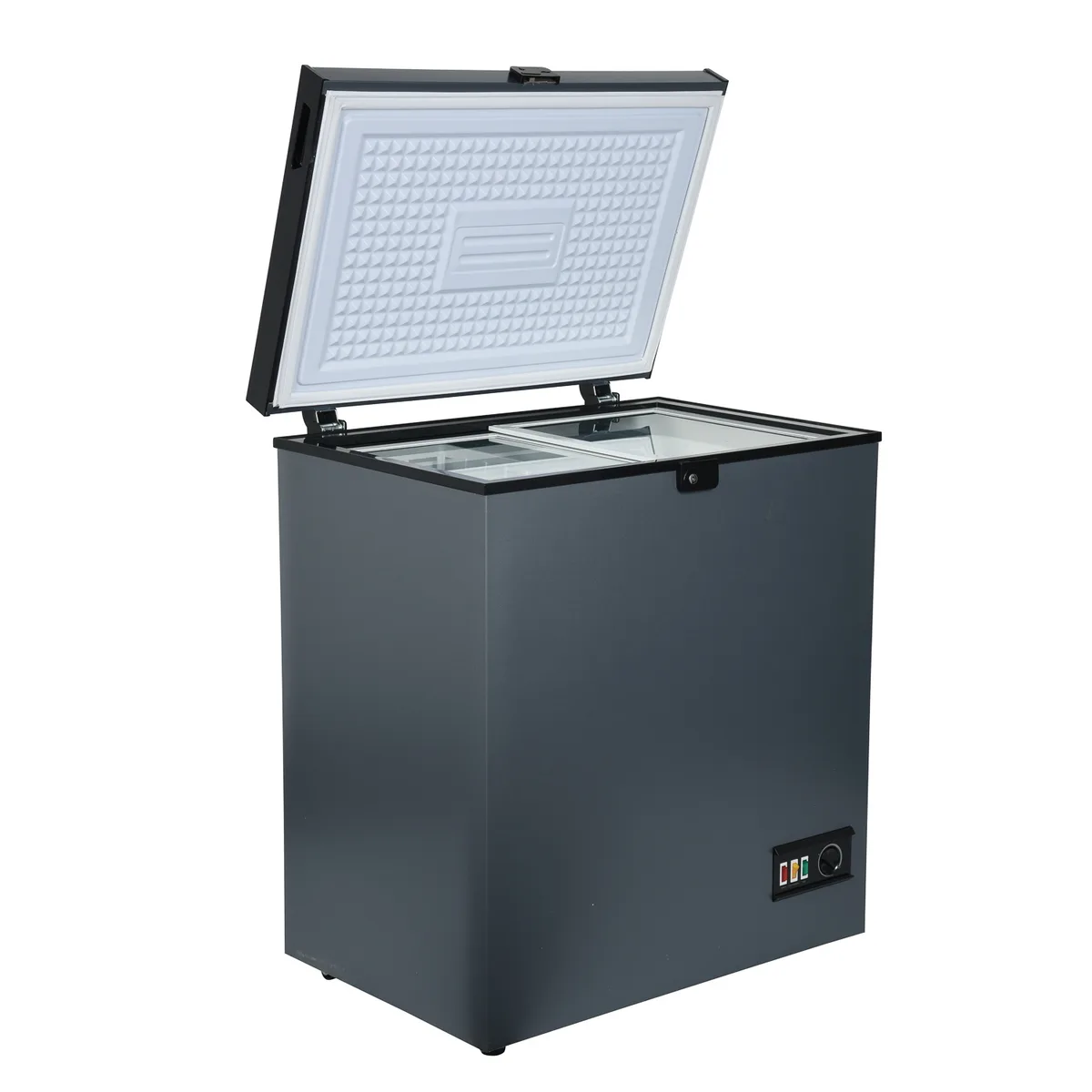
Chest Freezer Production Line — Cost, Capacity & Turnkey Factory Setup (2026 Pillar Guide)
Investment tiers from a 300-unit/day entry line to a 3,000-unit/day ultra-low-temperature build, the ATEX and Ecodesign pitfalls that stall first-time freezer OEMs, and the complete equipment list, mould selection logic and staffing plan needed to go from contract to first accepted cabinet.