
Moldes de termoformado al vacío vs moldes de espumado para refrigeradores: una comparación práctica
Dos moldes muy distintos, una sola línea de producción. Así ayudamos a los dueños de fábricas a elegir entre ellos — con especificaciones de precisión, vida útil, plazo de entrega y presupuesto típico.
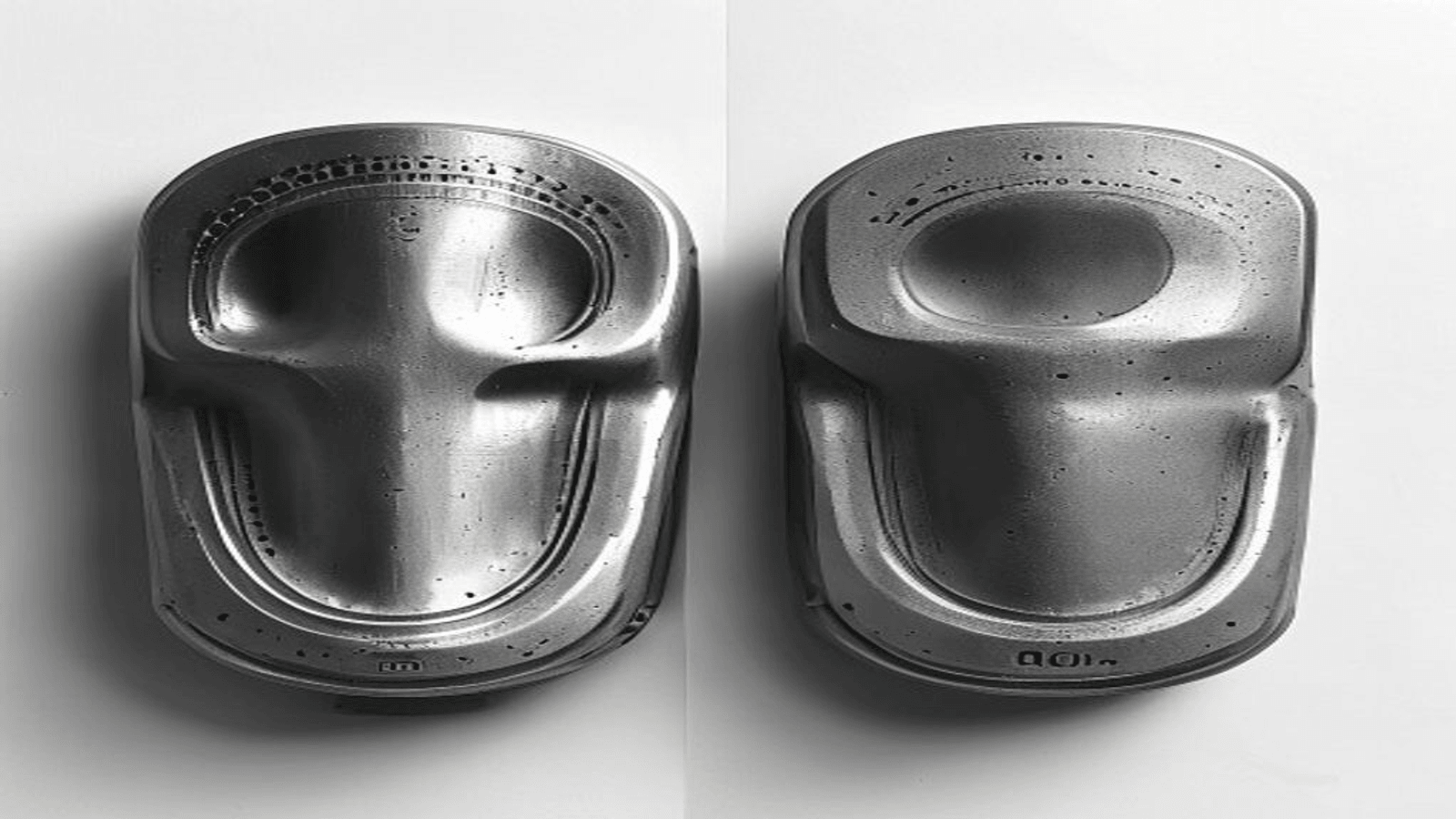
Los moldes de termoformado al vacío dan forma al revestimiento plástico visible con una precisión de ±0,05 mm y una vida útil de más de 1 millón de ciclos. Los moldes de espumado son estructuras de acero Q345 que sujetan el gabinete durante el curado del PU. Para una línea de gama media, el presupuesto combinado de herramental es de USD 130.000-370.000. Los moldes de vacío de aluminio son adecuados para volúmenes inferiores a 300.000 unidades/año; el acero P20 para producciones mayores.
Dos tipos de molde, una sola línea de producción
Un gabinete de refrigerador parece simple por fuera, pero bajo la piel laminada hay una danza entre dos moldes muy distintos. Los moldes de termoformado al vacío dan forma a la delgada lámina termoplástica que se convierte en el compartimento interior, y los moldes de espumado sostienen el gabinete mientras la espuma de poliuretano cura dentro de la cavidad de la pared. Ambas operaciones ocurren en la misma línea de producción, a menudo con minutos de diferencia, pero los compradores confunden repetidamente qué hace cada molde, qué clase de precisión necesitan y cuánto presupuestar para cada uno.
Esta guía está escrita para dueños de fábricas, ingenieros de planta y gerentes de proyecto OEM que preparan una cotización para una nueva línea de refrigeradores, congeladores o enfriadores comerciales. Cubrimos las diferencias físicas, las tolerancias de precisión típicas, la vida útil y el árbol de decisión que recorremos con los clientes antes de emitir una cotización.
Qué hace realmente un molde de termoformado al vacío
Los moldes de termoformado al vacío toman una lámina de ABS o HIPS precalentada y la estiran sobre la cavidad del molde por presión negativa. El revestimiento toma forma en 30-60 segundos, según el espesor de la lámina y la temperatura del molde. El acabado del revestimiento —textura, brillo y precisión dimensional— lo determina por completo la superficie del molde.
- Material: aleación de aluminio (A7075 o similar) para transferencia de calor rápida, o acero para herramientas P20 para producción de altos ciclos. Solemos recomendar aluminio para volúmenes inferiores a 300.000 unidades al año y P20 para producciones mayores.
- Precisión típica: ±0,05 mm en las dimensiones de la cavidad; acabado pulido, granallado o texturizado según el lenguaje de diseño de la marca de refrigeradores.
- Control de temperatura: canales de aceite integrados o calentadores eléctricos mantienen el molde en el rango de 60-90 °C.
- Vida útil típica: más de 1.000.000 de ciclos, con repulido programado cada 200.000 ciclos.
Un molde de termoformado al vacío para revestimiento de refrigerador suele ser la parte más lenta de diseñar en una línea nueva, porque la geometría interior —rieles de estantes, hueco del evaporador, portabotellas— es específica de cada marca y rara vez se reutiliza entre modelos.
Qué hace un molde de espumado (y por qué es distinto)
Una vez que el revestimiento está unido al gabinete exterior de acero, la cavidad entre ambos debe llenarse con espuma rígida de poliuretano para el aislamiento —su desempeño térmico se prueba según ASTM C518 (la especificación de la espuma se trata en nuestra guía de densidad y factor K del PU, y la elección del agente espumante —ciclopentano, HFC-245fa o HFO— cada uno regulado bajo el programa SNAP de la EPA de EE. UU.— también afecta el tiempo de curado y los ajustes de temperatura del molde). El molde de espumado sujeta el gabinete desde todos los lados durante la inyección y el curado, evitando que se deforme hacia afuera bajo una presión de expansión de espuma de 5-50 toneladas.
- Material: estructura de acero Q345 soldada. A diferencia de los moldes de termoformado, los moldes de espumado no necesitan acabado espejo — nunca tocan la superficie visible.
- Fuerza de sujeción: 5-50 toneladas hidráulicas o neumáticas, según el tamaño del gabinete.
- Control de temperatura: la placa se mantiene a 40-55 °C ± 2 °C para acelerar el curado y mantener una densidad de espuma consistente.
- Tiempo de ciclo: 4-8 minutos por gabinete, dominado por el tiempo de desmolde de la espuma más que por el movimiento mecánico.
Un molde de espumado para gabinete de refrigerador es una herramienta mucho más pesada y de aspecto más industrial que un molde de vacío, y suele ocupar una huella mayor —el marco estructural por sí solo puede pesar 3-8 toneladas para un refrigerador estándar de 200 L.
Comparación directa: la tabla de decisión
Esta es la comparación que hacemos con los clientes el primer día de una cotización:
| Dimensión | Molde de termoformado al vacío | Molde de espumado |
|---|---|---|
| Propósito | Dar forma al revestimiento plástico | Sujetar el gabinete durante el curado del PU |
| Precisión | ±0,05 mm | ±0,5 mm en la geometría del gabinete |
| Material típico | Aluminio A7075 / acero P20 | Acero soldado Q345 |
| Acabado superficial | Pulido / texturizado | No visible, sin pulido requerido |
| Tiempo de ciclo | 30-60 segundos | 4-8 minutos |
| Vida útil | Más de 1.000.000 de ciclos | Más de 300.000 ciclos |
| Plazo de entrega | 45-75 días | 60-90 días |
Cómo elegir: un árbol de decisión práctico
Si va a comprar solo un molde primero (porque ya tiene el otro en algún punto de su cadena de suministro), aquí un árbol de decisión rápido:
- ¿Se conoce el volumen del producto? Por debajo de 50.000 unidades al año, empiece con termoformado de aluminio para mantener baja la inversión. Por encima de 300.000 unidades al año, invierta en acero P20 para el molde de vacío: superará en vida útil a 3-5 moldes más baratos.
- ¿La geometría del gabinete es estandarizada o personalizada? Los tamaños estandarizados (doméstico de 180 L, 200 L, 250 L) suelen tener moldes de espumado listos con plazos de 30 días. Los tamaños personalizados llevan el plazo del molde de espumado a 90 días.
- ¿Es propietario de la propiedad intelectual del diseño del revestimiento interior? Si es así, el molde de termoformado es la herramienta más crítica —define su producto visible. Si el diseño lo provee el proveedor, el molde de espumado se convierte en el principal cuello de botella del rendimiento de la línea.
- ¿Cuánto espacio de piso tiene? Los moldes de espumado son pesados y requieren cimentación reforzada. Planifique 30-40 m² por estación de espumado.
Qué preguntar a un proveedor de moldes antes de comprometerse
- Especificación exacta de la aleación para moldes de aluminio (A7075 frente a A6061 — la serie 7xxx es considerablemente más duradera).
- Registro de tratamiento térmico de las bases de acero del molde.
- Protocolo FAT (prueba de aceptación en fábrica) y aprobación de pieza de muestra antes del envío.
- Disponibilidad de repuestos (elementos calefactores, sellos, pistones hidráulicos — mínimo 5 años).
- Instalación en sitio y soporte de primera producción (típicamente 5-10 días-ingeniero).
Realidad del presupuesto
Para una línea de refrigeradores de gama media que produce 500-2.000 unidades al día, los clientes suelen invertir:
- Juego de moldes de termoformado (revestimiento + puerta + estante): USD 45.000 – 120.000
- Juego de moldes de espumado (gabinete + puerta): USD 80.000 – 250.000
- Presupuesto combinado de herramental: USD 130.000 – 370.000
Esto excluye la propia máquina de termoformado, la máquina de espumado PU de alta presión, los sistemas de transporte y el balance de planta. ¿No está seguro si el espumado de alta o baja presión conviene a su línea? Vea nuestra comparación de máquinas de espumado PU de alta vs baja presión. Para la planificación completa de la línea y el desglose de inversión, vea nuestra guía de instalación de línea de producción de refrigeradores, o contacte a nuestro equipo de ingeniería con su objetivo de producción diaria y rango de tamaño de gabinete.
¿Está construyendo una fábrica? Vea nuestra guía de línea de producción → Para una planta completa, explore nuestras soluciones para fabricantes de refrigeradores, o hable con nuestros ingenieros de moldes sobre la especificación de su gabinete.
¿Cuál es la diferencia entre moldes de termoformado al vacío y moldes de espumado?
Los moldes de termoformado al vacío dan forma a láminas plásticas calentadas (ABS o HIPS) en revestimientos interiores de refrigerador mediante succión al vacío, mientras que los moldes de espumado sostienen el conjunto revestimiento-carcasa en su lugar mientras se inyecta espuma PU entre ellos. Uno da forma al plástico, el otro a la aislación — ambos son necesarios para una línea de producción de refrigeradores completa.
¿Cuánto dura un molde de termoformado al vacío para refrigerador?
Un molde de termoformado de aluminio bien mantenido (aleación A7075) suele durar 300.000-500.000 ciclos. A 1.000 unidades por día, eso equivale aproximadamente a 1-1,5 años antes de necesitar retrabajo o reemplazo. Los moldes de espumado con base de acero duran significativamente más, entre 500.000 y más de 1.000.000 de ciclos.
¿Puede una fábrica usar moldes de termoformado y de espumado en la misma línea?
Sí — y prácticamente todas las fábricas de refrigeradores lo hacen. La estación de termoformado y la de espumado son etapas separadas de la misma línea de producción. Nosotros suministramos ambas como parte de un paquete llave en mano, asegurando la compatibilidad dimensional entre el molde del revestimiento y el molde de espumado del gabinete.
¿Qué materiales se usan para los moldes de refrigerador?
Los moldes de termoformado suelen mecanizarse en aleación de aluminio A7075 por su conductividad térmica y precisión (±0,05 mm). Los moldes de espumado usan acero para herramientas P20 o S50C para el marco base e insertos de aluminio para la cavidad. Las líneas de mayor volumen pueden usar insertos de cobre-berilio para una disipación de calor más rápida.
¿Cuánto cuesta un juego completo de moldes de refrigerador?
Un juego de moldes de gama media para una línea de 500-2.000 unidades/día suele costar USD 130.000-370.000 por el herramental combinado (moldes de termoformado USD 45.000-120.000 más moldes de espumado USD 80.000-250.000). Esto excluye las máquinas de termoformado, las máquinas de espumado y el balance de planta.
¿Listo para planificar su proyecto de refrigeración?
Comparta su objetivo de producción y mezcla de productos — nuestro equipo de ingeniería responde con un plan de capacidad y cotización en tres días hábiles.
Solicitar cotización de ingenieríaArtículos relacionados
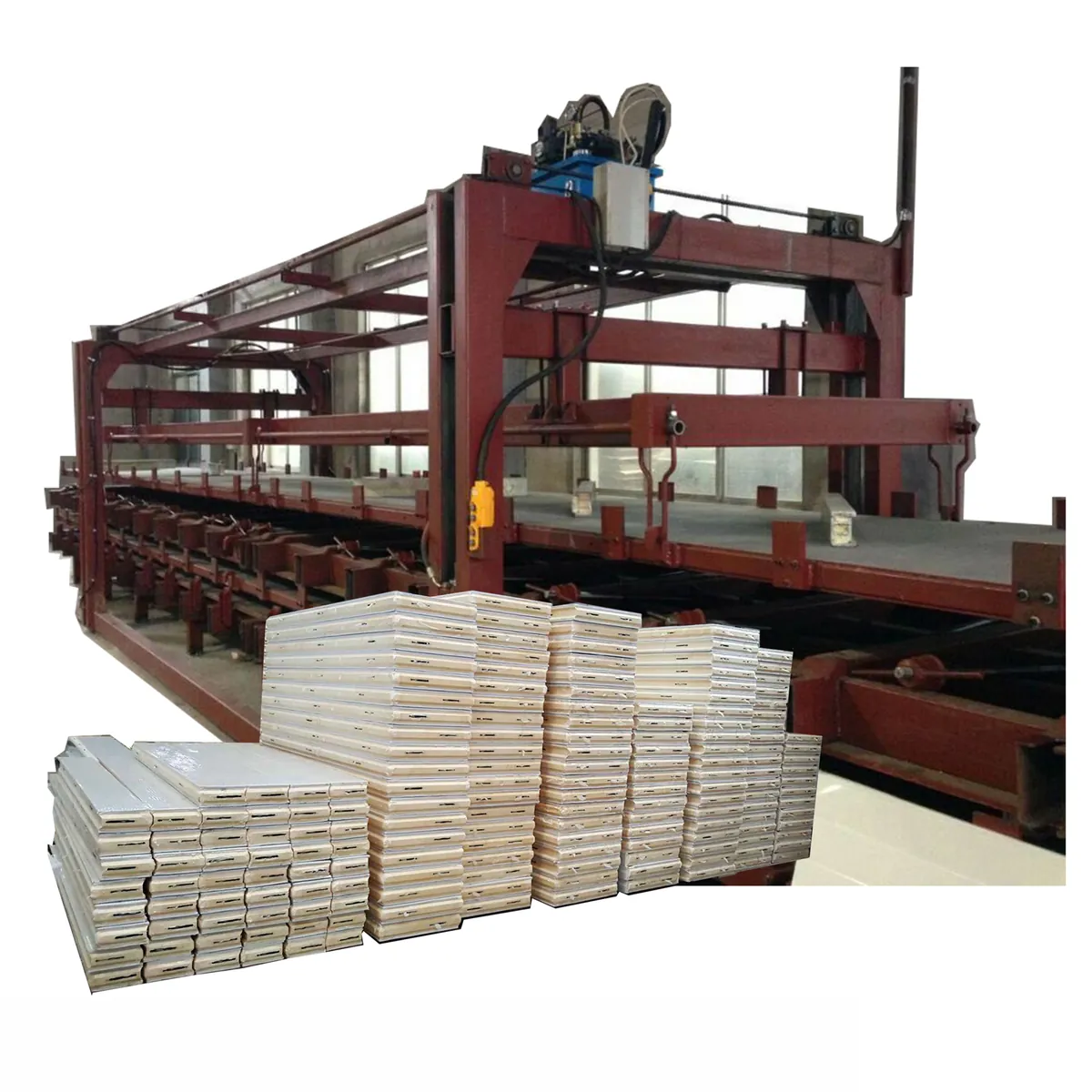
Cold Room Panel Manufacturers in the UAE: Why "Civil Defence Approved" Is Not One Question
In the UAE, a panel's paperwork has to satisfy a federal code, a product certification scheme, and an emirate-level listing — and Abu Dhabi has just formalised 54 local amendments of its own. A brochure line reading "Civil Defence approved" answers none of those three. Here is what to ask instead, why a European supplier's fire pack is the wrong currency here, and what a 45°C ambient does to the thickness you thought you needed.
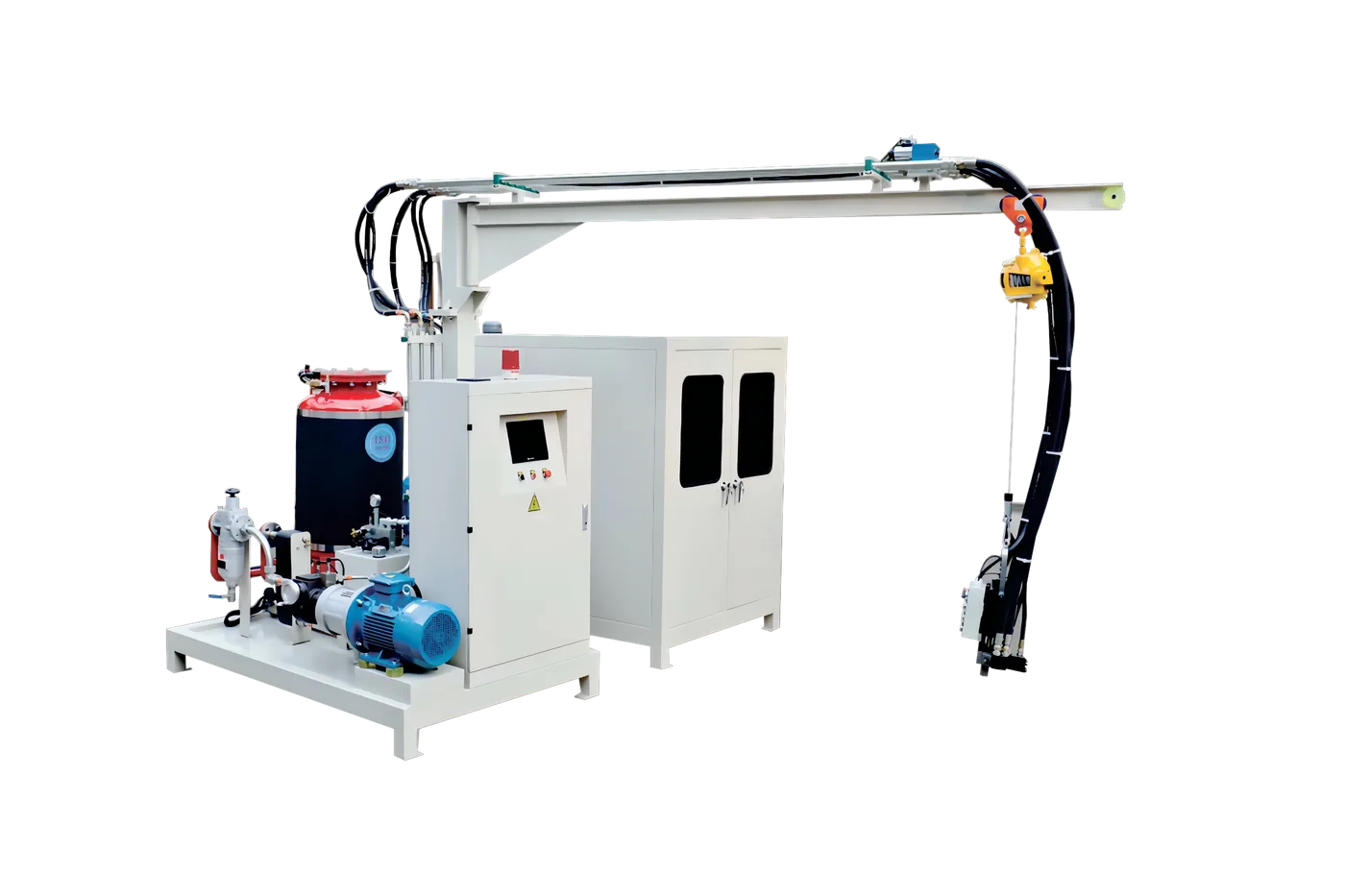
Converting a Refrigerator Foaming Line to Cyclopentane: Retrofit vs New Machine, Cost and Timeline
Switching from HFC-245fa to cyclopentane is an equipment and safety-infrastructure project, not a raw-material swap. Here's how to decide between retrofitting an existing foaming machine and buying a new cyclopentane-ready one, what the safety infrastructure actually costs, and a realistic project timeline.
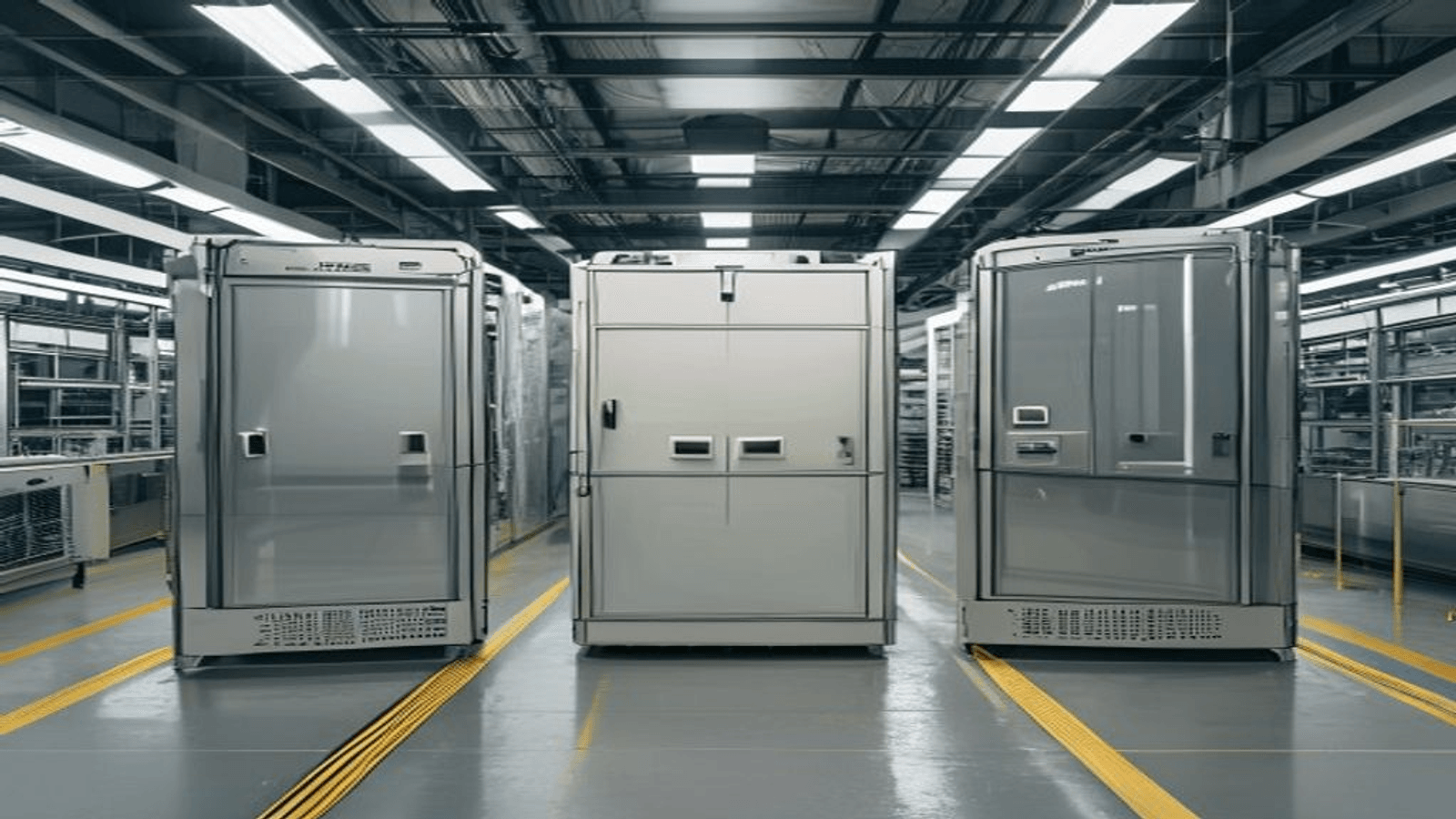
Freezer Mould Selection Guide: Chest vs Upright vs Display Cabinet
A freezer mould is not one product — chest (horizontal), upright and display (island / glass-door) freezers each need a different mould geometry, clamping load and cure schedule. This guide picks the right freezer mould family by cabinet size, volume and operating temperature.