
Cómo elegir un proveedor de línea de producción de refrigeradores — 12 criterios
La mayoría de los compradores comparan proveedores de líneas de producción de refrigeradores solo por el precio de cotización. Tres meses después de la puesta en marcha descubren el costo real: inventario de repuestos varado, etiquetas energéticas incumplidas, o un ingeniero que tarda dos semanas en llegar al sitio.

Marco de evaluación de 12 criterios para abastecerse de una línea de producción de refrigeradores en 2026. Capacidad técnica (1-4): propiedad del alcance, clase de precisión del molde, rango de presión de máquina PU, punto de referencia de ciclo de línea. Ajuste comercial (5-8): transparencia de precios, términos de pago, garantía de plazo de entrega, profundidad de garantía. Servicio y riesgo (9-12): SLA de ingeniero en sitio, inventario de repuestos, soporte de cumplimiento de clase energética, referencias en su región. Califique a cada proveedor de 1 a 5; por debajo de 40/60 es alto riesgo. Los descuidos más dolorosos que vemos: omitir el criterio #6 (términos de pago) y el #11 (soporte de clase energética) — ambos invisibles en la orden de compra, devastadores en la puesta en marcha.
La mayoría de los compradores comparan proveedores de líneas de producción de refrigeradores solo por el precio de cotización. Tres meses después de la puesta en marcha descubren el costo real: inventario de repuestos varado, etiquetas energéticas incumplidas, o un ingeniero que tarda dos semanas en llegar al sitio.
Una línea de producción de refrigeradores es una decisión de capital de USD 1,5M a USD 8M. El proveedor que elija hoy da forma al costo unitario, el cumplimiento energético y la realidad de posventa durante los próximos cinco a diez años.
Esta guía es una lista de verificación de 12 criterios utilizada por equipos de adquisiciones en más de 40 plantas OEM de refrigeradores. Funciona tanto si está configurando una línea de congeladores tipo cofre desde cero de 50.000 unidades como si está actualizando una fábrica heredada de refrigeradores domésticos para cumplimiento con ciclopentano.
Lectura rápida — 12 criterios de un vistazo
La siguiente tabla es la lista de verificación de trabajo. Califique a cada proveedor candidato en una escala de 1-5, pondere según la prioridad de su planta, y el ganador queda claro antes de la primera visita al sitio.
| # | Criterio | Por qué importa | Cómo verificar |
|---|---|---|---|
| 1 | Flexibilidad de capacidad de producción | Cambios futuros de mezcla de modelos | Pida diseños de línea a 3 producciones |
| 2 | Profundidad del portafolio de moldes | Abastecimiento de ventanilla única | Solicite catálogo de moldes + fotos |
| 3 | Ajuste de clase de máquina de espumado PU | Calidad de espuma + capex | Compare AP vs BP con volumen diario |
| 4 | Soporte de cumplimiento de agente espumante | Entrada a mercado de exportación | Verifique experiencia con ciclopentano / HFO |
| 5 | Flexibilidad llave en mano vs solo equipo | Control del alcance del proyecto | Obtenga ambas cotizaciones para comparar |
| 6 | Plazo de entrega realista | Planificación de flujo de caja | Verifique cruzado con clientes de referencia |
| 7 | Términos de pago + profundidad de garantía | Asignación de riesgo | Compare T&C cláusula por cláusula |
| 8 | Alcance de instalación + puesta en marcha | Prevención de costo oculto | Exija días-ingeniero en el sitio por escrito |
| 9 | Ventana de suministro de repuestos | Vida útil de 10-15 años | Obtenga compromiso de suministro en contrato |
| 10 | Clientes de referencia en su región | Ajuste cultural / regulatorio | Visite al menos uno antes de firmar |
| 11 | Soporte de estándares de eficiencia energética | Cumplimiento de etiqueta DOE / UE | Confirme relaciones con laboratorios de prueba |
| 12 | Tiempo de respuesta de posventa | Costo de tiempo de inactividad de producción | Audite datos promedio de resolución de tickets |
Por qué la selección del proveedor define el ROI de la planta
Una línea de producción mal ajustada arrastra el margen durante una década. Una línea bien ajustada se paga sola en 24-36 meses y luego financia la expansión.
El punto de referencia moderno lo establecen gigantes como GE Appliances, que invirtió USD 115 millones en su planta de refrigeradores de Decatur, Alabama, en 2018 para ganar flexibilidad en múltiples tamaños — no para agregar producción bruta. La lección se generaliza: un proveedor que lo encierra en una línea rígida de un solo producto es un proveedor al que superará antes de que el equipo se amortice.
Criterios 1-4 — Capacidad técnica
1. Flexibilidad de capacidad de producción
Pida a cada proveedor preseleccionado que redacte diseños de línea a tres producciones diarias diferentes: su volumen de lanzamiento, su objetivo del año 3 y su meta ambiciosa del año 5. Un proveedor serio responderá con tres velocidades de transportador distintas, número de estaciones y dimensionamiento de máquina de espumado. Un proveedor débil le dará el mismo dibujo tres veces.
La pista oculta está en la estación de espumado. Las líneas diseñadas para producción fija a menudo emparejan una máquina de espumado PU subdimensionada con la velocidad máxima del transportador — el resultado es cuellos de botella y llenado de espuma inconsistente en carga pico.
2. Profundidad del portafolio de moldes
Una línea típica de refrigeradores usa cuatro familias de moldes: moldes de termoformado al vacío para revestimientos internos, moldes de espumado para gabinete y puerta, moldes de perforado-corte para paneles de chapa metálica, y accesorios variados. Muchos proveedores pueden venderle uno o dos y subcontratar el resto, lo que crea brechas de responsabilidad cuando algo sale mal.
Si está evaluando el alcance de moldes, nuestro desglose de termoformado al vacío vs moldes de espumado cubre las diferencias de diseño y dónde encaja cada familia en la secuencia de ensamblaje.
3. Clase de máquina de espumado PU — alta presión vs baja presión
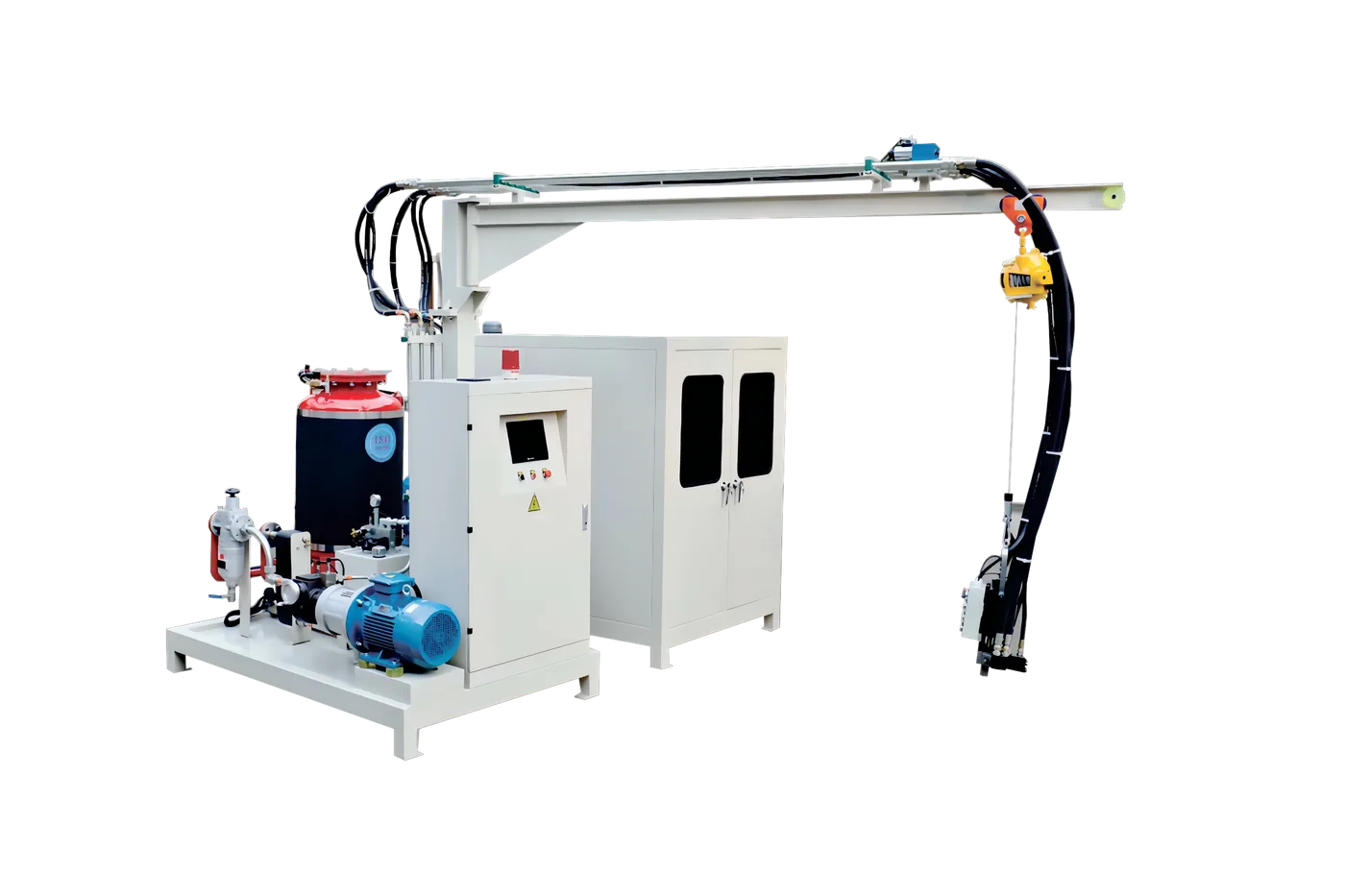
El mayor rubro de capex individual después de los moldes es la máquina de espumado PU. La clase incorrecta o sobregasta USD 200.000+ o no entrega calidad de espuma suficiente durante la vida de la planta.
Haga coincidir la clase con su volumen real: las máquinas de alta presión se pagan solas por encima de 200 unidades/día y se vuelven esenciales por encima de 1.000 unidades/día; la baja presión tiene más sentido para producción de lote pequeño o prototipo. Desglosamos el árbol de decisión completo en máquinas de espumado PU de alta vs baja presión.
4. Soporte de cumplimiento de agente espumante
Si planea exportar a la UE, Estados Unidos o cualquier mercado regulado bajo el programa SNAP de la EPA, el agente espumante en su espuma PU ya no es una elección libre. El HFC-245fa se está reduciendo gradualmente. El ciclopentano y el HFO-1233zd son los reemplazos realistas.
Un proveedor capaz demuestra preparación de agente espumante con tres cosas: un sistema de dosificación calificado para el agente inflamable, una lista documentada de clientes que usan el agente, y un diseño de almacenamiento químico recomendado que cumple con los códigos de incendio locales. Si un proveedor hace un gesto y dice "podemos adaptarlo después", presupueste una modernización de USD 80.000-150.000 — o cambie a otro proveedor. Nuestro análisis profundo de ciclopentano vs HFC-245fa vs HFO cubre la química y las compensaciones de cumplimiento.
Criterios 5-8 — Ajuste comercial
5. Flexibilidad llave en mano vs solo equipo
El mismo proveedor debería estar dispuesto a cotizar de ambas formas. Una cotización llave en mano combina ingeniería, instalación, puesta en marcha y capacitación; solo equipo le envía cajas. La elección correcta depende de la profundidad de su ingeniería interna.
Una señal de alerta: un proveedor que solo cotiza llave en mano con prima y se niega a desglosar el precio de solo equipo. Eso usualmente significa que el margen llave en mano esconde un sobreprecio de equipo.
6. Plazo de entrega realista
Para una línea de producción de refrigeradores completamente llave en mano, de cuatro a nueve meses desde el contrato hasta el primer artículo es el estándar de la industria. Cualquier cosa por debajo de cuatro meses es una unidad de stock (aceptable pero verifique especificaciones) o una promesa exagerada (verifique con llamadas de referencia).
Verifique cruzado preguntando a tres clientes recientes del proveedor cuál fue su plazo de entrega real frente al contrato. Un sobrepaso constante de dos meses es una realidad estructural, no un caso aislado.
7. Términos de pago + profundidad de garantía
Compare los T&C cláusula por cláusula. Los números que importan más allá del calendario de pago principal:
- Período de garantía — 12 meses es el mínimo absoluto, 24-36 meses es competitivo
- Alcance de garantía — solo piezas, piezas + mano de obra, o piezas + mano de obra + viajes
- Descuento de repuestos durante la garantía — debe ser 10-20% de descuento sobre lista
- Límite de responsabilidad — usualmente limitado al valor del contrato, pero verifique exclusiones
8. Alcance de instalación, puesta en marcha y capacitación en sitio
El costo oculto en muchos contratos de proveedores son los días-ingeniero. Una "instalación estándar" podría significar 10 días-ingeniero en su sitio; una "puesta en marcha integral" podría significar 40. La brecha es USD 30.000-90.000 en horas de hotel, viajes y salario de ingeniero no facturadas.
Exija días-ingeniero, desglose de actividades y términos de viaje por escrito, antes de firmar. Si el proveedor se resiste, la respuesta es no.
Criterios 9-12 — Asociación a largo plazo
9. Ventana de suministro de repuestos
Una línea de producción de refrigeradores funciona 10-15 años. Una bomba de espumado, cabezal de mezcla o tarjeta PLC que "ya no se fabrica" a los cinco años convierte una pieza de USD 2.000 en una parada de línea de USD 60.000.
Negocie un compromiso escrito de suministro de repuestos de 10 años para componentes críticos. Los proveedores serios ofrecerán 15 años en PLC y elementos estructurales.
10. Clientes de referencia en su región
Un proveedor con tres clientes con producción estable en su región (o un entorno climático/regulatorio comparable) vale más que un proveedor con treinta referencias globales y ninguna cercana. Las referencias locales significan disponibilidad de ingenieros locales, manejo de aduanas local, y soporte en idioma local para técnicos de turno.
Visite al menos un cliente de referencia antes de firmar. La conversación sin filtrar en el piso de la fábrica es más útil que cualquier presentación de ventas.
11. Soporte de estándares de eficiencia energética
El cumplimiento energético es ahora una restricción de diseño, no una ocurrencia tardía. El Departamento de Energía de EE. UU. actualiza los estándares de electrodomésticos cada 5-6 años; el reglamento de Ecodiseño de la UE ajusta los límites en ciclos similares. Un proveedor que ha enviado líneas que cumplen los últimos estándares en los últimos 12 meses conoce los laboratorios de prueba, las curvas de densidad de espuma vs factor K, y los diseños de sello de puerta que ganan el siguiente nivel energético.
Un proveedor que le cotiza "listo para DOE" sin nombrar la versión específica del estándar no está listo.
12. Tiempo de respuesta de posventa + cobertura de ingenieros continental
Referencia de la industria para la respuesta a fallas críticas en una línea de producción de refrigeradores:
- Diagnóstico telefónico / video — dentro de 4 horas
- Despacho de ingeniero en sitio — dentro de 72 horas (continental)
- Entrega de repuestos — dentro de 7 días (dentro de la región) / 21 días (transcontinental)
Un proveedor con almacenes regionales e ingenieros regionales supera a un proveedor con una sola oficina central en Shanghái, incluso con una prima de precio del 10%. El tiempo de inactividad diario en una línea de refrigeradores domésticos en el rango de 500-1.500 unidades/día típicamente cuesta más que el contrato anual de posventa de la línea — el ingeniero que llega cinco días después cuesta más que la propia línea.
Señales de alerta — 6 signos de un proveedor débil
La siguiente tabla resume patrones que deberían descalificar a un proveedor independientemente del precio principal.
| Señal | Qué usualmente significa | Acción de verificación |
|---|---|---|
| Cotización 30%+ por debajo del mercado | Recortes en materiales o alcance | Auditoría de especificación línea por línea vs alternativas |
| Sin certificación ISO 9001 o CE / UL | Sin sistema de calidad documentado | Pida escaneos de certificados + fecha de auditoría |
| Se niega a compartir clientes de referencia | Pocas o ninguna instalación exitosa | Retírese |
| Posventa solo por correo electrónico, sin teléfono | Servicio con poco personal o subcontratado | Pida datos de tiempo de respuesta de ingenieros |
| Compromiso vago de suministro de repuestos | Las piezas dejarán de estar disponibles en 5 años | Exija compromiso de 10 años por escrito |
| No cotizará solo equipo por separado | Margen llave en mano escondiendo sobreprecio de equipo | Solicite desglose de cotización por partida |
Marco de decisión — elija por escala de planta
No existe un único proveedor "mejor". El proveedor correcto coincide con la escala de la planta y el modelo operativo.
| Escala de planta | Perfil de proveedor que encaja | Presupuesto indicativo (USD) | Criterios clave no relacionados con precio |
|---|---|---|---|
| Pequeña (≤ 50.000 unidades/año) | Especialista regional con enfoque en baja presión | 800K – 2,5M | Plazo de entrega, flexibilidad de MOQ |
| Media (50.000 – 200.000 unidades/año) | Integrador establecido con capacidad AP + BP | 2,5M – 5M | Visitas de referencia, cumplimiento energético |
| Grande (≥ 200.000 unidades/año) | Proveedor llave en mano de primer nivel con posventa regional | 5M – 12M | Ventana de repuestos, SLA de días-ingeniero |
Una planta pequeña que intenta comprar a un proveedor de planta grande sobregasta 30-60%. Una planta grande que intenta ahorrar con un proveedor de planta pequeña subinvierte en producción y lo paga en retrabajo y tiempo de inactividad. Para la economía de línea subyacente — capex, servicios, mano de obra, retorno — vea nuestra guía de configuración, capacidad e inversión de línea de producción de refrigeradores.
Conclusión
Elija según los 12 criterios anteriores y protegerá el ROI de la planta durante la próxima década. Elija solo por el precio de cotización y el costo real aparecerá en el año dos — inventario varado, etiquetas energéticas incumplidas, tiempo de inactividad que ninguna hoja de cálculo anticipó.
Si está definiendo el alcance de una nueva línea o auditando una lista corta de proveedores existentes, el equipo de ingeniería de UREXCEED dimensiona moldes, máquinas de espumado y arquitectura de transportador como un paquete equilibrado — no estaciones vendidas individualmente — de modo que cada criterio de esta lista de verificación esté incorporado antes de la primera cotización. Explore nuestras soluciones de línea de producción de refrigeradores para configuraciones a escala de planta.
Preguntas frecuentes
¿Cuánto tiempo toma configurar una línea de producción de refrigeradores?
Una línea de producción de refrigeradores completamente llave en mano típicamente toma de cuatro a nueve meses desde el contrato firmado hasta el primer artículo. Los proyectos desde cero con obras civiles pueden extenderse a 12-15 meses. El cuello de botella suele ser la fabricación de moldes (10-14 semanas) y la construcción de la máquina de espumado PU (12-16 semanas), no el ensamblaje.
¿Cuál es la diferencia entre llave en mano y solo equipo?
Un proyecto llave en mano incluye diseño de ingeniería, suministro de equipo, instalación, puesta en marcha, capacitación de operadores y pruebas de aceptación. Solo equipo le envía las máquinas y termina ahí. Llave en mano agrega 15-30% al valor del contrato pero transfiere el riesgo de integración al proveedor. Solo equipo ahorra efectivo por adelantado pero requiere capacidad de ingeniería interna.
¿Cuánto cuesta una línea de producción de refrigeradores?
Una línea pequeña de baja presión para producción de bases chef o cavas de vino comienza alrededor de USD 800.000. Una línea mediana de refrigeradores domésticos con espumado de alta presión cuesta USD 2,5M a USD 5M. Una línea grande multiproducto con cumplimiento de ciclopentano, ensamblaje automatizado y prueba de fugas integrada alcanza USD 8M a USD 12M.
¿Puede un proveedor chino igualar la calidad de los integradores europeos?
En el desempeño mecánico central, sí — los principales integradores chinos ahora envían líneas que cumplen con los estándares europeos de densidad de espuma y tiempo de ciclo. Las brechas restantes suelen estar en la profundidad del software PLC, la integración IoT y la huella global de posventa. Evalúe a los proveedores chinos con la misma lista de verificación de 12 criterios que a los europeos; la prueba no es el país de origen sino el desempeño documentado y los clientes de referencia en su región.
¿Qué estándares de eficiencia energética debe soportar la línea en 2026?
En Estados Unidos, el DOE ha finalizado estándares actualizados para refrigeradores y congeladores residenciales, con nuevos procedimientos de prueba ya vigentes para lanzamientos de productos 2026-2027. En la UE, el Reglamento de Ecodiseño 2019/2019 establece el marco actual; se espera otro ciclo de ajuste para 2027-2028. Especifique "listo para el siguiente nivel de estándar" en el contrato de su proveedor en lugar de solo el cumplimiento actual.
¿Cómo verifico los clientes de referencia de un proveedor?
Tres pasos: (1) pida al proveedor tres clientes de referencia en su región, (2) llame o haga videollamada al gerente de producción (no al contacto de adquisiciones) de cada uno, (3) haga tres preguntas — plazo de entrega real vs contrato, número de llamadas de garantía en el primer año, y si volverían a comprar al mismo proveedor. La tercera pregunta filtra la verdad de la cortesía.
¿Qué cobertura de repuestos es estándar de la industria?
Diez años para componentes mecánicos, quince años para PLC y elementos estructurales, de por vida para documentación. El proveedor debe comprometerse a un descuento de repuestos del 10-20% durante el período de garantía y cotización el mismo día después. Cualquier cosa más débil que esto señala un proveedor que se volverá inalcanzable cuando más lo necesite.
Productos mencionados en este artículo
¿Listo para planificar su proyecto de refrigeración?
Comparta su objetivo de producción y mezcla de productos — nuestro equipo de ingeniería responde con un plan de capacidad y cotización en tres días hábiles.
Solicitar cotización de ingenieríaArtículos relacionados
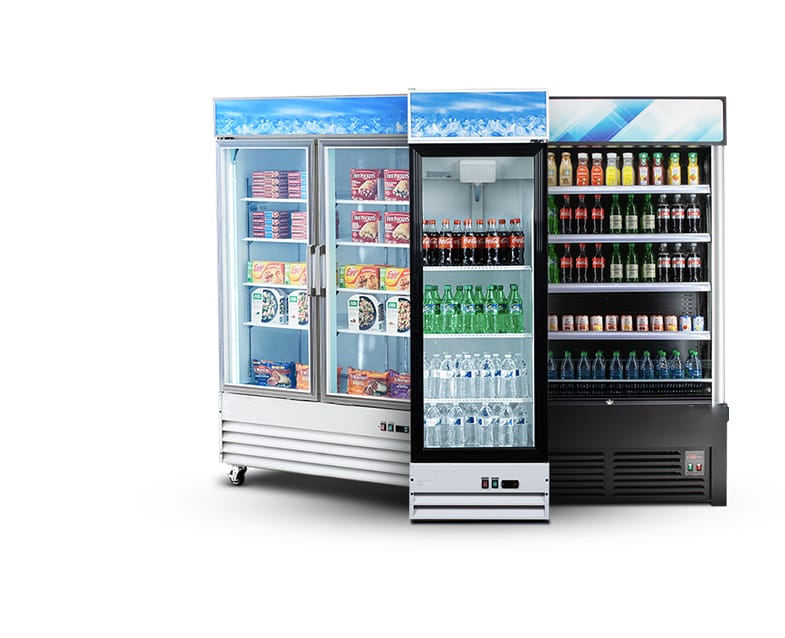
Beverage Cooler Production Line — Cost, Payback & Turnkey Setup (2026 Pillar Guide)
Investment tiers from a single-door entry line to a full bottler-program build, the payback math behind a 3,000-unit/day line, and the complete equipment list and certification checklist a beverage cooler OEM needs to go from contract to first shipment.
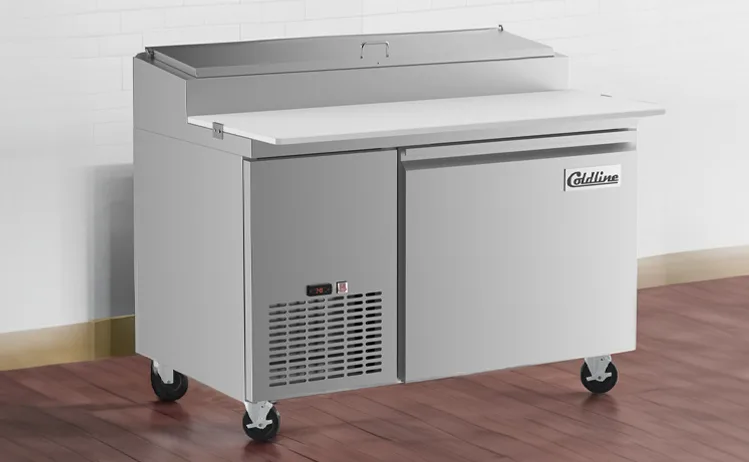
Chef Base Production Line: Cost, Break-Even & Turnkey Manufacturing (2026 Pillar Guide)
Investment tiers, the break-even math behind an 800-unit/day line, and the full equipment list and certification checklist a foodservice OEM needs to start chef base and refrigerated-counter production.
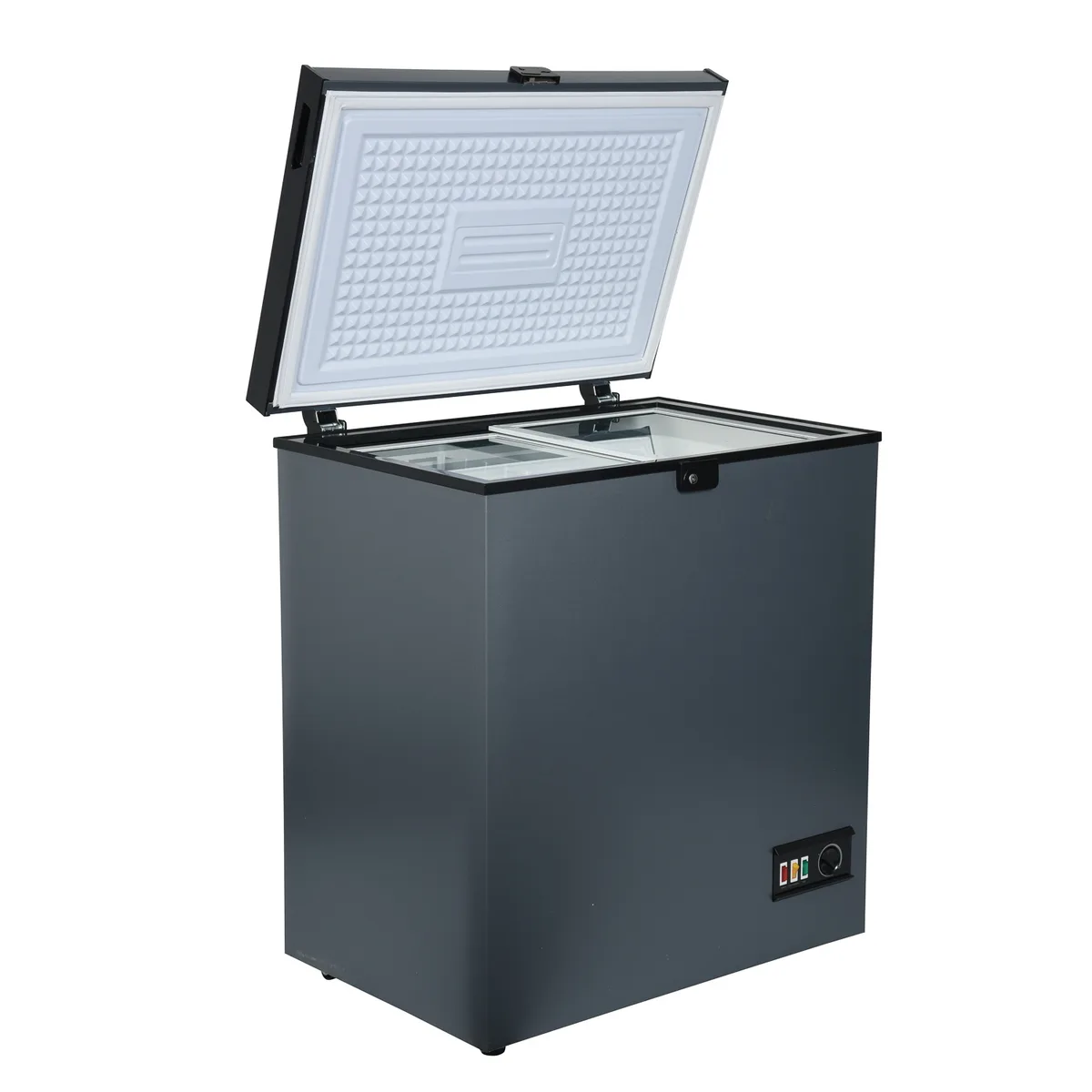
Chest Freezer Production Line — Cost, Capacity & Turnkey Factory Setup (2026 Pillar Guide)
Investment tiers from a 300-unit/day entry line to a 3,000-unit/day ultra-low-temperature build, the ATEX and Ecodesign pitfalls that stall first-time freezer OEMs, and the complete equipment list, mould selection logic and staffing plan needed to go from contract to first accepted cabinet.