
DOE 2027 + EU Ecodesign 2026 — Four New Rules Reshaping Refrigerator OEM Production
If your refrigerator production line was specified before 2024, it is now compliance-fragile. Four overlapping regulatory shifts — US DOE energy standard, EU Ecodesign revision, high-GWP blowing-agent phase-down and right-to-repair mandates — are tightening every spec sheet your finished products must meet.
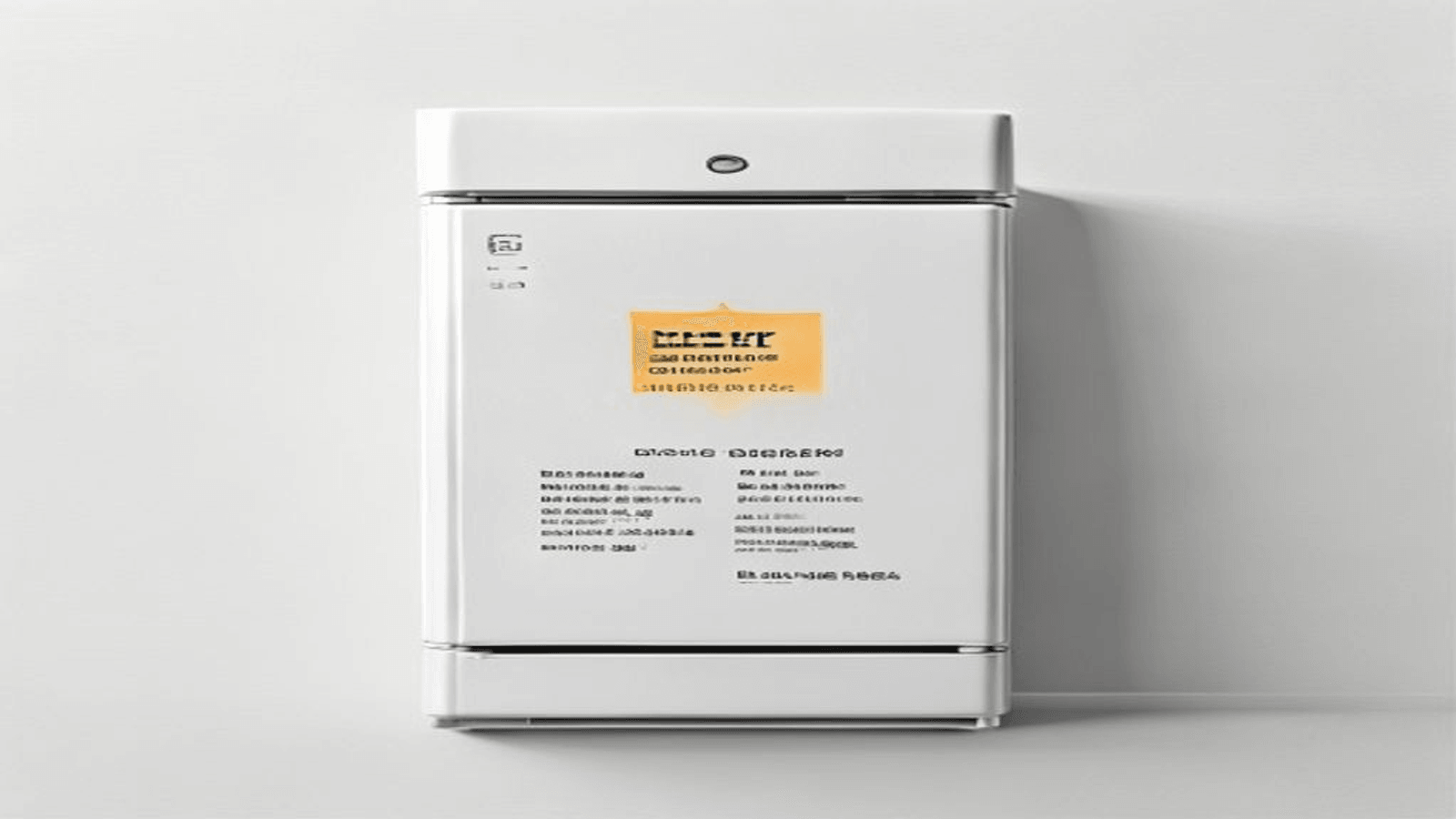
Four rules hitting refrigerator OEMs by 2027: (1) US DOE residential refrigerator/freezer standard — tighter energy class thresholds + new testing methods. (2) EU Ecodesign Regulation revision wave — energy label rescaling + repair-index requirement. (3) High-GWP blowing-agent phase-down — HFC-245fa exit accelerating, cyclopentane / HFO becoming default. (4) Right-to-repair mandates — spare parts availability for 7-10 years post-sale, EU + US states. Production-line implications: foam density up 5-10% to hit new energy class, mould redesign for separable components, foam-machine ATEX upgrade for cyclopentane. Plan capex now, not after the deadline.
If your refrigerator production line was specified before 2024, it is now compliance-fragile. Four overlapping regulatory shifts are tightening the spec sheet your finished products must meet: a new US DOE energy standard cycle, the next EU Ecodesign revision wave, the accelerating phase-down of high-GWP blowing agents, and the spread of right-to-repair mandates. Together they are reshaping a refrigeration-equipment market our cold chain market outlook to 2031 tracks toward USD 455 billion.
None of these are surprises. All have been announced. But the production-side implications — foaming station spec, door seal redesign, documentation burden, test-house relationships — are where most OEMs are still under-prepared.
This is a working summary of what is changing, by when, and what it actually means at the line level. It is for production managers and procurement teams, not for compliance officers — the focus is what to specify in your next line contract or upgrade.
Speed-Read — Four New Rules at a Glance
| Rule | Region | Status as of mid-2026 | Production-line impact |
|---|---|---|---|
| DOE updated residential refrigerator/freezer standard | United States | Final rule published, compliance phasing in 2027-2028 | Higher foam density, tighter cabinet leak, possibly thicker walls |
| EU Ecodesign Regulation revision wave | European Union | 2019/2019 current; next tightening expected 2027-2028 | Energy label letter shift; smart-grid readiness language |
| EPA SNAP / Kigali HFC phase-down | US + global | HFC-245fa allocations declining annually | Forces cyclopentane or HFO migration; ATEX foaming spec |
| Right-to-repair appliance mandates | US states + EU | Active in MA, NY; EU 2023 framework directive | Spare-parts availability commitment; design-for-disassembly |
The four are independent rules but they stack. A refrigerator OEM exporting to both the US and the EU is responding to all four in parallel, with overlapping but non-identical compliance dates.
Rule 1 — DOE Residential Refrigerator/Freezer Standard
The US Department of Energy updates appliance energy standards in roughly six-year cycles. The most recent residential refrigerator/freezer standard cycle was finalised in 2024, with new test procedures and energy use limits phasing in for product launches in the 2027-2028 window.
What is changing
Maximum annual energy consumption (kWh/year) drops for most product classes — the typical reduction is 5-15% depending on size class and configuration (top-freezer, bottom-freezer, side-by-side, French door). Updated test procedures change measurement conditions, which can shift previously-passing models out of compliance even before the kWh limit itself bites.
What it means on the production line
Two practical implications:
- Foam insulation has to work harder per millimetre. Either you increase foam thickness (typically 5-10 mm on the cabinet, requiring mould rework and longer foam fill times) or you tighten foam density and K-factor specification. The relationship between density, K-factor and thermal performance is covered in our refrigerator insulation foam density and K-factor guide breakdown.
- Door seal and gasket integrity matters more. Leak losses that were tolerable under the old standard now cause label-class drops. Production-line door foaming jigs may need re-engineering for tighter seal cavity tolerances; gasket inspection at end-of-line typically moves from spot-check to 100% test.
What to specify in your next line contract
Ask your supplier for a documented foam-density curve linking machine output to actual cabinet cell uniformity in the 38-45 kg/m³ band, and ask which DOE-2027-class test labs they have shipped product to in the past 12 months. A supplier that names "Intertek" or "UL" by branch and year is ready; a supplier that says "DOE compliant" without specifics is not.
Rule 2 — EU Ecodesign Regulation Revision Wave
The EU Ecodesign framework is set by Regulation 2019/2019 for refrigerating appliances, which introduced the rescaled A-G energy label in 2021. A revision is expected to tighten the limits and update the smart-appliance language in the 2027-2028 cycle.
What is changing
The most-visible change is label letter migration — a model labelled A in 2024 may become B or C under the revised rescaling without any actual product change, simply because the threshold tightens. For OEMs, this is a marketing problem masked as a technical one: retail buyers shop by letter, not by absolute kWh/year.
The less-visible change is smart-grid readiness language in upcoming Ecodesign updates: appliances may be required to accept demand-response signals (defer compressor cycles during peak grid load) without compromising food safety. This adds firmware and possibly hardware to the appliance controller.
What it means on the production line
The label migration usually does not require line rework; it requires retesting and re-labelling. The smart-grid readiness, if it lands in the next revision, requires adding a communication module to the appliance controller and verifying it during end-of-line test. Either action is cheaper if your line already has a flexible end-of-line test station rather than a fixed-fixture rig.
Rule 3 — EPA SNAP and Global HFC Phase-Down
The EPA SNAP program implements the US side of the Kigali Amendment to the Montreal Protocol, which phases down high-GWP HFCs including HFC-245fa — historically the dominant PU blowing agent for refrigerator foam in North America.
What is changing
HFC-245fa production allocations decline annually under Kigali, raising chemical costs each year and forcing OEMs toward alternatives. The two realistic alternatives — cyclopentane (GWP ~11) and HFO-1233zd (GWP ~1) — have different production-line implications:
- Cyclopentane is flammable. Foaming station must be ATEX-rated; chemical storage requires bunded tanks, vapour detection, and fire suppression. Capex addition typically USD 80,000-200,000 vs an HFC-rated line.
- HFO-1233zd is non-flammable but costs 3-5× more per kg than cyclopentane. Existing HFC-rated equipment can usually be retrofitted at lower capex but higher opex.
Our deep-dive on cyclopentane vs HFC-245fa vs HFO blowing agents breaks down the chemistry, capex and opex trade-offs.
What to specify in your next line contract
If you are spec'ing a new line in 2026, default to cyclopentane-ready unless your product mix or fire-code constraints rule it out. For existing HFC-rated lines, plan the conversion within a 24-36 month horizon — leaving it to the last allocation year means paying spot-market HFC prices and rushing the engineering.
Rule 4 — Right-to-Repair Appliance Mandates
The US right-to-repair movement has produced state-level laws (Massachusetts, New York, several others) requiring manufacturers to make spare parts, tools and documentation available to independent repairers. The EU adopted a framework directive in 2023 covering similar ground for white goods.
What is changing
OEMs must commit to spare-parts availability windows (typically 7-15 years post-end-of-production for major components), publish service manuals, and design products that can be repaired without specialised proprietary tools.
What it means on the production line
The first-order impact is on product design: components designed for service replacement (compressor, condenser, evaporator, control board, door gasket, hinges) need to be accessible without destroying the cabinet. The second-order impact is on documentation and PLC source-code handover — if a serviceable design relies on diagnostic codes, those codes must be published.
For production-line scoping, this lands as a procurement question: does your line supplier's contract include documentation handoff covering service-mode diagnostics? Most do not by default. Add it as a line item before signing.
Implications for Your Production Line
The four rules stack into a coherent specification shift. A refrigerator OEM building a new line in 2026 should design for four parameters simultaneously:
- Foam performance margin — specify K-factor and density limits with a 10-15% margin beyond current DOE/Ecodesign limits, giving you headroom for the next tightening cycle.
- Blowing-agent flexibility — default to cyclopentane-ready equipment; budget for the ATEX capex up-front rather than retrofitting later.
- End-of-line test flexibility — choose a programmable test station rather than fixed fixtures, so smart-grid readiness or new compliance tests can be added without re-tooling.
- Documentation handoff — write spare-parts commitments and service-mode documentation into the line supplier's deliverables, not bolted on later.
Each of these adds 3-8% to capex up-front. Each saves substantially more in retrofit cost during the next regulatory cycle.
12-Month Compliance Checklist for OEM Production
The table below is the working checklist for an OEM exporting to US + EU. Item-by-item ownership varies, but the dates are common.
| Month | Action | Owner |
|---|---|---|
| Now | Audit current product line vs DOE 2027 thresholds | Engineering + compliance |
| +1 | Run kWh/year retest on best-selling SKUs under updated DOE test procedure | Test house |
| +2 | Scope foam-density / wall-thickness changes to close any gap | Production + foaming supplier |
| +3 | Quote cyclopentane retrofit of existing lines (if HFC-245fa today) | Foaming supplier |
| +4-6 | Implement foam spec changes; re-FAT affected products | Production |
| +6 | Submit retested models for revised EU energy label | EU notified body |
| +8 | Update spare-parts catalogue + service manuals (right-to-repair) | Aftersales |
| +9 | Confirm smart-grid readiness path with controller supplier | Electronics + compliance |
| +12 | Full compliance dossier ready for 2027-2028 product launches | Compliance |
For greenfield line buyers, the equivalent action is to bake all four rules into the supplier specification from day one — the 12 criteria covered in our how to choose a refrigerator production line supplier guide build this directly into the supplier scoring.
FAQ
Does DOE 2027 apply to commercial refrigerators?
The 2024 DOE final rule covers residential refrigerator/freezers. Commercial refrigerators run on a separate standard cycle with its own dates. Check your specific product class — chef bases, beverage coolers, and walk-in cold rooms each have distinct compliance tracks.
Is HFC-245fa banned outright?
Not banned — phased down. Production allocations decline annually under the Kigali Amendment and EPA SNAP, raising costs and reducing availability. By the early 2030s, allocations are expected to be small enough that HFC-245fa is uneconomic for high-volume use. Plan migration earlier rather than later.
Do I have to switch to cyclopentane if I currently use HFC-245fa?
You have two paths: cyclopentane (lower running cost, higher capex due to ATEX) or HFO-1233zd / HFO-1336mzz (higher running cost, lower retrofit capex). The right choice depends on production volume — see our cyclopentane vs HFC-245fa vs HFO blowing agents breakdown for the breakeven analysis.
When does the next EU Ecodesign revision actually land?
The EU runs revision cycles every 6-8 years per appliance category. Regulation 2019/2019 is currently in force. The next tightening for refrigerating appliances is expected in the 2027-2028 window, with industry consultation typically published 12-18 months ahead. Watch the European Commission Ecodesign working plan for updates.
What's the production-line cost of right-to-repair compliance?
Marginal if designed in from the start; significant if retrofitted. The biggest line-level cost is changing the end-of-line test to publish diagnostic codes via a standard interface rather than a proprietary connector. Typical incremental capex on a new line is USD 30,000-80,000.
Are these rules going to keep tightening?
Yes. The direction has been consistent for two decades — kWh/year limits go down, GWP limits go down, transparency obligations go up. The question for OEMs is not whether to comply but whether to design for the next tightening cycle (cheaper) or the current one (sufficient but expensive to retrofit).
Bottom Line
The four rules are not a single deadline — they are a stack of overlapping shifts that change what a refrigerator OEM line must produce. The OEMs that come out of 2027-2028 with healthy margin are the ones that specified their lines in 2026 with the next cycle in mind, not just the current cycle.
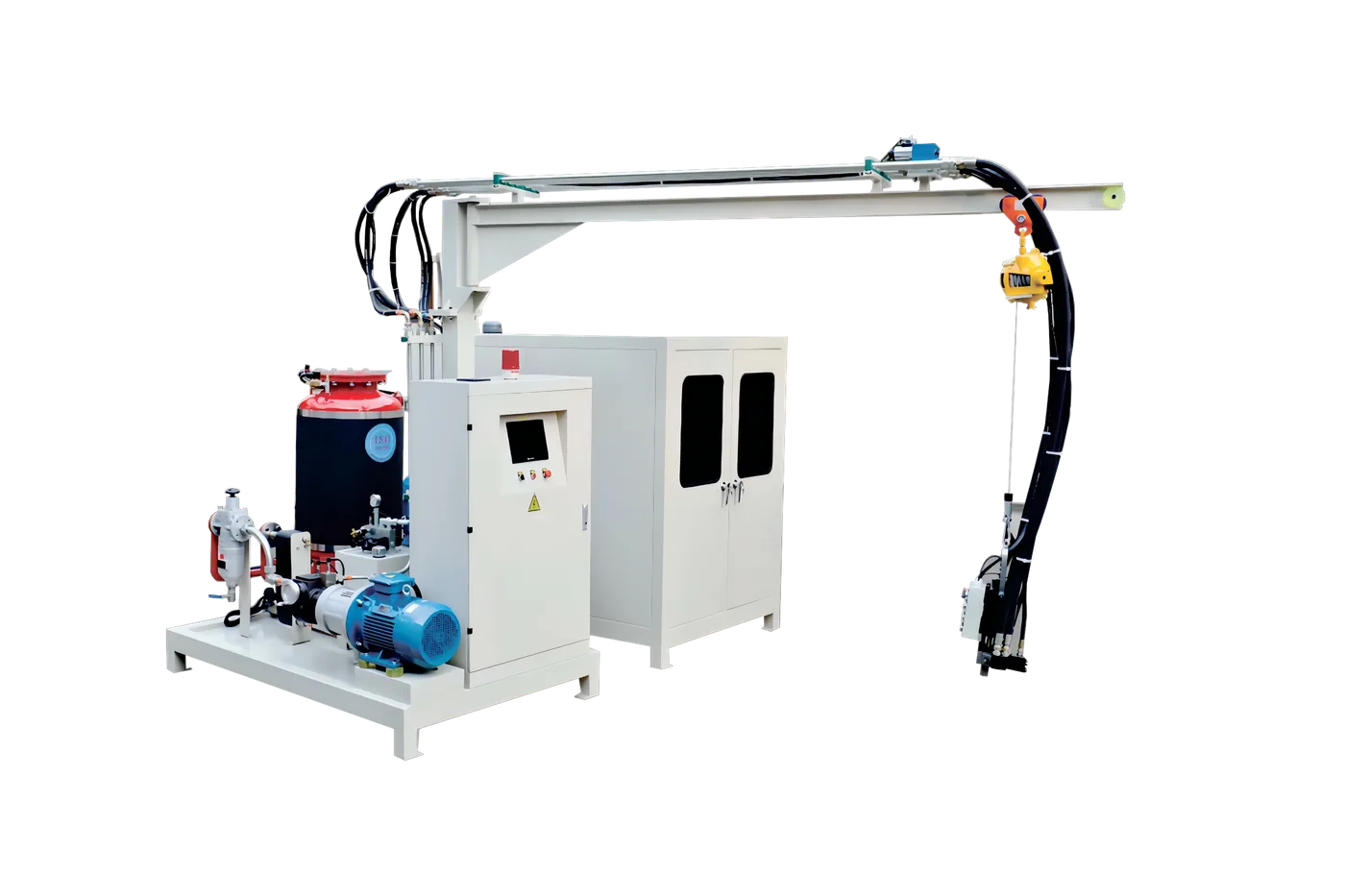
If you are scoping a new line, an upgrade, or a blowing-agent conversion, the UREXCEED engineering team maps your product mix and target markets against DOE, Ecodesign, SNAP and right-to-repair obligations so the line specification covers all four without overbuilding. Browse our refrigerator production line solutions for plant-scale configurations.
Building a factory? See our production line guide →
Productos mencionados en este artículo
¿Listo para planificar su proyecto de refrigeración?
Comparta su objetivo de producción y mezcla de productos — nuestro equipo de ingeniería responde con un plan de capacidad y cotización en tres días hábiles.
Solicitar cotización de ingenieríaArtículos relacionados
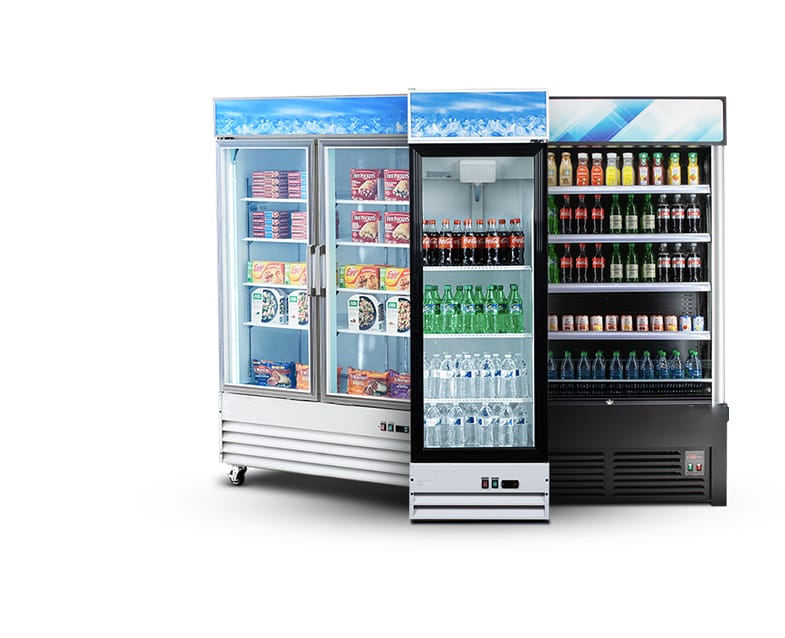
Beverage Cooler Production Line — Cost, Payback & Turnkey Setup (2026 Pillar Guide)
Investment tiers from a single-door entry line to a full bottler-program build, the payback math behind a 3,000-unit/day line, and the complete equipment list and certification checklist a beverage cooler OEM needs to go from contract to first shipment.
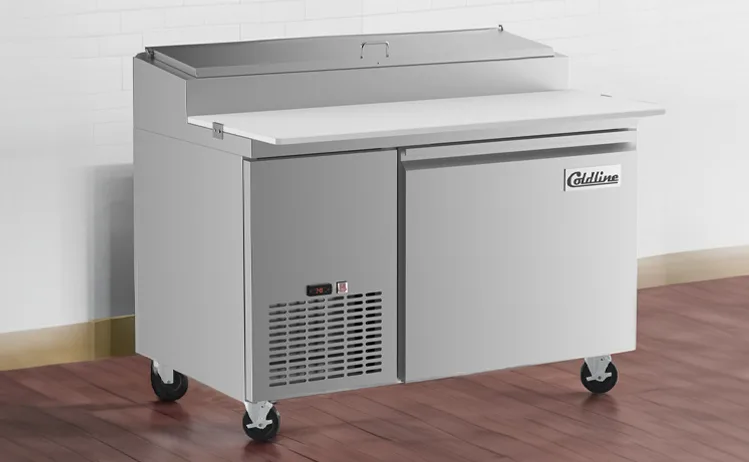
Chef Base Production Line: Cost, Break-Even & Turnkey Manufacturing (2026 Pillar Guide)
Investment tiers, the break-even math behind an 800-unit/day line, and the full equipment list and certification checklist a foodservice OEM needs to start chef base and refrigerated-counter production.
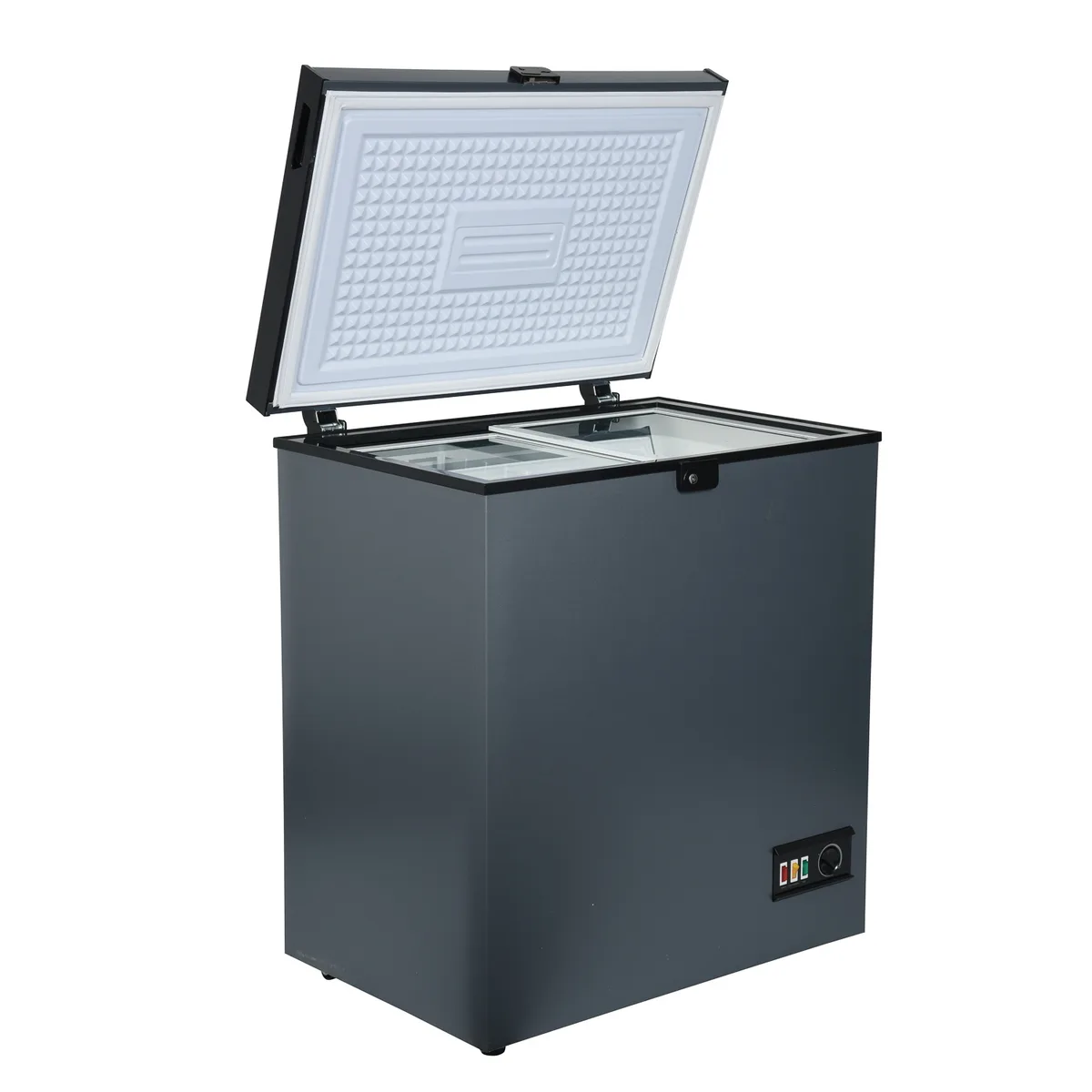
Chest Freezer Production Line — Cost, Capacity & Turnkey Factory Setup (2026 Pillar Guide)
Investment tiers from a 300-unit/day entry line to a 3,000-unit/day ultra-low-temperature build, the ATEX and Ecodesign pitfalls that stall first-time freezer OEMs, and the complete equipment list, mould selection logic and staffing plan needed to go from contract to first accepted cabinet.