
How to Start a Medical / Pharmaceutical Refrigerator Factory (2026 Pillar Guide)
From market sizing to first commercial unit: the 8-step sequence, three capacity tiers with real cost ranges, and the equipment list a new medical refrigerator factory actually needs.

Starting a medical/pharmaceutical refrigerator factory needs three parallel tracks: production capability (foaming + forming line sized for 40-50 kg/m3 medical-grade foam), compliance (ISO 13485 QMS + WHO PQS or FDA/CE-MDR depending on target market, 8-14 months lead time), and capital (USD 0.6M-4.5M+ across three entry tiers). Fastest realistic path from decision to first certifiable unit is 12-18 months. Equipment supplier and certification body run in parallel, not in sequence.
Starting a medical or pharmaceutical refrigerator factory requires three tracks running in parallel: a production line sized for medical-grade PU foam (density 40-50 kg/m³, not domestic-grade 32-38 kg/m³), a compliance pathway (ISO 13485 quality system plus WHO PQS or FDA/CE-MDR registration depending on target market), and capital in the USD 0.6M-4.5M range depending on entry tier. Sequencing these wrong — buying equipment before scoping certification, or starting certification before the line is designed — is the single most common reason new entrants lose 6-12 months and USD 100,000+ in rework.
This guide walks a first-time factory owner or an existing OEM diversifying into medical cold chain through the full sequence: market sizing and the 8-step setup path, the investment decision with real cost tiers and ROI math, and the procurement details — equipment list, line layout, and foaming machine selection — needed to build the line itself.
Market Size and Why Medical Cold Chain Is a Distinct Entry Point
The global cold chain equipment market is projected to reach roughly USD 455 billion by 2031 (see our cold chain market outlook for the full segmentation), and medical/pharmaceutical refrigeration is one of its fastest-growing sub-segments — driven by expanding immunisation programmes, biologics manufacturing, and post-pandemic ultra-low-temperature (ULT) demand for mRNA vaccines and biobanking.
Medical cold chain is structurally different from food/beverage refrigeration as a market to enter:
- Regulated, not commodity. A domestic refrigerator OEM competes on price and design. A medical refrigerator manufacturer competes on certification, traceability, and hold-over time under power failure — barriers that keep out low-cost entrants and support 3-6× the price point of an equivalent domestic unit.
- Procurement is programme-driven. WHO PQS-listed vaccine refrigerators sell into UNICEF, Gavi, and national immunisation programme tenders — multi-year framework agreements, not one-off retail sales.
- Four temperature tiers, four different businesses. +2°C to +8°C (routine vaccines/biologics), -20°C to -25°C (frozen vaccines), -40°C to -50°C (plasma), and -70°C to -86°C (mRNA/biobanking ULT) each carry distinct foam specifications, equipment requirements, and target buyers. Our medical refrigerator foaming specifications guide breaks down the engineering differences tier by tier.
Most new entrants underestimate how much of the barrier to entry is procedural (documentation, traceability, per-batch QA) rather than purely technical. The 8-step sequence below is built around getting the procedural track moving as early as the equipment track.
Market Entry by Region
Certification pathway and buyer type shift materially by target market, and the choice narrows your factory's equipment and documentation spec before you order anything:
- Russia / CIS: procurement runs largely through national and regional health-ministry tenders. Local registration (regulatory approval through Roszdravnadzor or the equivalent national body) typically runs in parallel with, not instead of, an international WHO PQS or CE reference — most tenders ask for at least one recognised international listing as a qualifying credential.
- Latin America: national health regulators (ANVISA in Brazil, COFEPRIS in Mexico, and similar bodies elsewhere) generally recognise CE-MDR or FDA clearance as a fast-track basis for local registration, cutting 3-6 months off a from-scratch local submission.
- Middle East: MENA public-health procurement (ministry of health tenders across the GCC and wider region) commonly requires WHO PQS listing specifically for vaccine cold-chain equipment, given the volume of programme-funded (UNICEF/Gavi-adjacent) procurement in the region.
- EU: CE-MDR is mandatory for any medical device placed on the EU market, vaccine refrigerators included, and the transition rules under the EU Medical Device Regulation have tightened notified-body review timelines — budget the higher end of the 9-14 month range if you're entering this market first.
- United States: FDA 21 CFR Part 820 (Quality System Regulation) plus Part 11 for any unit with electronic temperature logging; most medical refrigerators fall under FDA's device classification requiring a 510(k) premarket notification unless a predicate exemption applies.
A factory targeting more than one of these regions should scope its QMS and documentation package against the strictest applicable requirement (usually CE-MDR or FDA) from day one — retrofitting a lighter documentation system to meet a stricter market later duplicates work that a single strict-baseline system avoids.
The 8-Step Sequence to Start a Medical Refrigerator Factory
- Pick your temperature tier and target market first. Tier selection (routine vaccine vs. ULT biobanking) and target market (WHO PQS procurement vs. EU CE-MDR vs. US FDA) determine everything downstream — equipment spec, certification pathway, and capital requirement. Do not scope equipment before this decision.
- Map the certification pathway and timeline in parallel with line design. ISO 13485 QMS certification alone typically runs 6-9 months. WHO PQS or CE-MDR product testing adds another 6-12 months. Starting this only after the line is built adds a full year to market entry.
- Size daily output against your realistic first-year order book, not your five-year ambition. Most new entrants launch at 10-50 units/day and scale after the first WHO PQS listing or CE mark is secured — the tender business rewards a certified small producer over an uncertified large one.
- Select a production line architecture (Adapted domestic / Dedicated medical / Ultra-low composite — detailed in the Procurement section below) that matches your tier and volume.
- Qualify your equipment and raw material suppliers together. PU foam specification, foaming machine capability, and blowing agent choice interact — see the decision tree in the Procurement section. Qualify all three before ordering.
- Build per-batch QA infrastructure into the capex plan from day one. Density, K-factor, and closed-cell-content measurement equipment is not an optional add-on for medical-grade production — it is what makes each production run submittable for certification audit.
- Run FAT (Factory Acceptance Test) against your target certification's test protocol, not a generic acceptance checklist. If the line's FAT does not already validate temperature uniformity, hold-over time, and dimensional stability under thermal cycling, you will re-test after certification testing flags a gap.
- Sequence commercial launch to your first certification, not your first unit off the line. A factory that can produce units before it can sell them into regulated procurement has working capital tied up with no revenue path. Plan first commercial shipment against certification completion date, with 60-90 days buffer for first-batch documentation review.
Three Pitfalls That Delay First Shipment by 6+ Months
- Buying a domestic-grade line and "upgrading later." As detailed in our medical refrigerator foaming specifications guide, the gap between domestic and medical-grade production typically requires USD 200,000-500,000 of line modification — sometimes more than the cost of building the correct line from the start. Retrofitting after commissioning also invalidates prior FAT data, forcing a re-test.
- Starting certification testing before the line is stable. Submitting product samples for WHO PQS or CE-MDR testing from a line still in commissioning risks a failed test report, which resets the review clock at most certification bodies (typically 3-6 months lost).
- No documentation trail from the first unit. Traceability (serial number → foam batch → QA record) has to be built into the production process from unit #1. Retrofitting traceability after 500 units have shipped without it means those units cannot be included in a certification submission.
Regional Case Reference — India, 10 Units/Day Entry Line
A representative first-tier entry: a medical device manufacturer in India commissioned a 10 units/day medical refrigerator production line covering vacuum forming moulds, foaming moulds, a high-pressure PU foaming machine, and assembly — the equipment scope matching Architecture A below. This scale is typical for a manufacturer entering the +2°C/+8°C tier alongside an existing product line, before scaling toward a dedicated medical line once certification and initial orders are secured. See the full India medical refrigerator case for the equipment configuration.
Certification Checklist — What Has to Be in Place Before You Can Sell
| Certification | Required for | Typical lead time |
|---|---|---|
| ISO 13485 QMS | Foundation for all medical device markets | 6-9 months |
| WHO PQS | UNICEF/Gavi/national immunisation procurement | 6-12 months product testing |
| CE-MDR | EU market, most markets recognising CE | 9-14 months |
| FDA 21 CFR 820/11 | US market, electronic temperature logging | 8-12 months |
| EU GDP | Pharmaceutical wholesale/distribution chain sales | 3-6 months, ongoing audit |
Note on scope: WHO PQS, ISO 13485, CE-MDR, and FDA cGMP registration are obtained by the medical device manufacturer, not by the equipment supplier. UREXCEED supplies the production line equipment — foaming systems, vacuum-forming and door moulds, and assembly line — sized and documented so it passes your certification body's FAT and process-validation review. Certification itself is your regulatory team's track, running in parallel with equipment procurement, not after it.
Decision: Which Entry Tier Should You Build?
If your target is the +2°C/+8°C routine vaccine or biologics tier and you already run a domestic refrigerator line, adapt it (Architecture A, USD 250K-450K incremental). If you are a dedicated medical device manufacturer targeting +8°C through -50°C, build a dedicated line (Architecture B, USD 1.8M-4M). If your target is -70°C to -86°C mRNA or biobanking storage, build an ultra-low composite line (Architecture C, USD 4M-8M+). The decision hinges on temperature tier, not on how big you eventually want to be — a Tier 1 dedicated line does not extend to Tier 4 without a separate VIP integration station.
Three-Tier Investment Comparison
| Entry tier | Temperature coverage | Typical daily output | Equipment capex (USD) | Time to first FAT unit |
|---|---|---|---|---|
| Tier 1: Adapted domestic line | +2°C to +8°C | 10-50 units/day | 250,000-450,000 (incremental) | 5-8 months |
| Tier 2: Dedicated medical line | +2°C to -50°C | 50-200 units/day | 1,800,000-4,000,000 | 9-13 months |
| Tier 3: Ultra-low composite line | +2°C to -86°C | 20-80 units/day | 4,000,000-8,000,000+ | 12-18 months |
These capex figures cover production line equipment only — moulds, foaming machines, conveyor/assembly integration, and per-batch QA equipment. Building shell, utilities, land, and working capital are additional and typically add another 20-40% depending on region and whether you lease or build.
ROI Example — Tier 1 Entry, 30 Units/Day
Take a manufacturer already running a domestic refrigerator line, adding a Tier 1 medical vaccine refrigerator product line at 30 units/day:
- Incremental equipment capex: USD 350,000 (mid-range Architecture A)
- Certification cost (ISO 13485 + WHO PQS testing): USD 80,000-150,000
- Average selling price per unit (medical vaccine refrigerator, 200-300L): USD 1,800-2,800 vs. USD 400-600 for an equivalent domestic unit
- Gross margin on medical units: typically 35-45% vs. 18-25% on domestic units, reflecting the compliance and QA overhead priced into the segment
- At 30 units/day, 250 working days/year: 7,500 units/year × USD 700 average incremental margin over domestic-equivalent economics ≈ USD 5.25M incremental annual gross margin contribution at full ramp
Payback on the USD 350,000-500,000 combined equipment-and-certification investment is typically inside the first 12-18 months of commercial shipment once certification clears — the certification lead time, not the equipment lead time, is what determines when that clock starts.
ROI Example — Tier 2 Entry, 80 Units/Day Dedicated Line
A dedicated medical device manufacturer building a Tier 2 line from scratch at 80 units/day, covering the +2°C/+8°C through -50°C range:
- Equipment capex: USD 2.8M (mid-range Architecture B)
- Certification cost (ISO 13485 + WHO PQS or CE-MDR, covering two SKUs across two temperature bands): USD 220,000-350,000
- Average selling price across the tier mix: USD 2,400-4,500/unit depending on temperature band and hold-over spec
- At 80 units/day, 250 working days/year and 70% first-year OEE ramp: roughly 14,000 units in year 1, rising toward 20,000 units/year at full ramp
- Typical gross margin on regulated medical units: 35-45%, versus 18-25% on an equivalent domestic-grade line
At full ramp, a Tier 2 line of this scale typically generates USD 8M-15M in annual revenue depending on tier mix, with the USD 3M-3.2M combined equipment-and-certification investment recovered within 18-24 months of first commercial shipment — longer than the Tier 1 payback window because the certification scope (multiple temperature bands) and equipment cost are both larger, but the addressable procurement volume (tender-scale orders rather than single-line-item purchases) is correspondingly bigger.
Hidden Costs First-Time Entrants Miss
- Per-batch QA equipment and staff, not a line-item most first-time budgets include: USD 80,000-150,000 in equipment plus a dedicated QA technician role.
- Retained sample storage for typically 5 years per regulatory requirement — cold storage capacity for retained samples is an operating cost, not a one-time capex line.
- Documentation package cost per unit: USD 15-40/cabinet for traceability and compliance documentation, which does not exist in domestic-grade production.
- Re-test cost if FAT does not match certification protocol: budget 5-10% contingency on certification cost for at least one round of re-test, which is the norm rather than the exception on a first submission.
- Door foaming jig rework if adapting an existing domestic line — medical door gasket cavities typically run 0.3-0.5mm tighter tolerance, which is easy to miss in an initial quote.
Delivery Timeline — Contract to First Certifiable Unit
| Phase | Duration | Runs in parallel with |
|---|---|---|
| Line design + mould design | 6-10 weeks | ISO 13485 QMS documentation build-out |
| Mould manufacturing | 60-90 days | Certification body pre-submission meeting |
| Equipment manufacturing | 90-120 days | QMS internal audit + gap closure |
| Shipping + installation + FAT | 60-105 days | Certification body scheduling |
| Trial production + first-batch QA package | 30-60 days | Product testing submission |
Total, contract to first certification-ready unit: 9-14 months for Tier 1-2, 14-20 months for Tier 3, assuming the certification track starts within the first month rather than after equipment delivery.
Procurement: What the Production Line Actually Needs
Full Equipment List
- Vacuum forming machines (liner + door) — pulls ABS/HIPS sheet into cabinet inner liners; medical-tier tolerance requires tighter thickness uniformity than domestic.
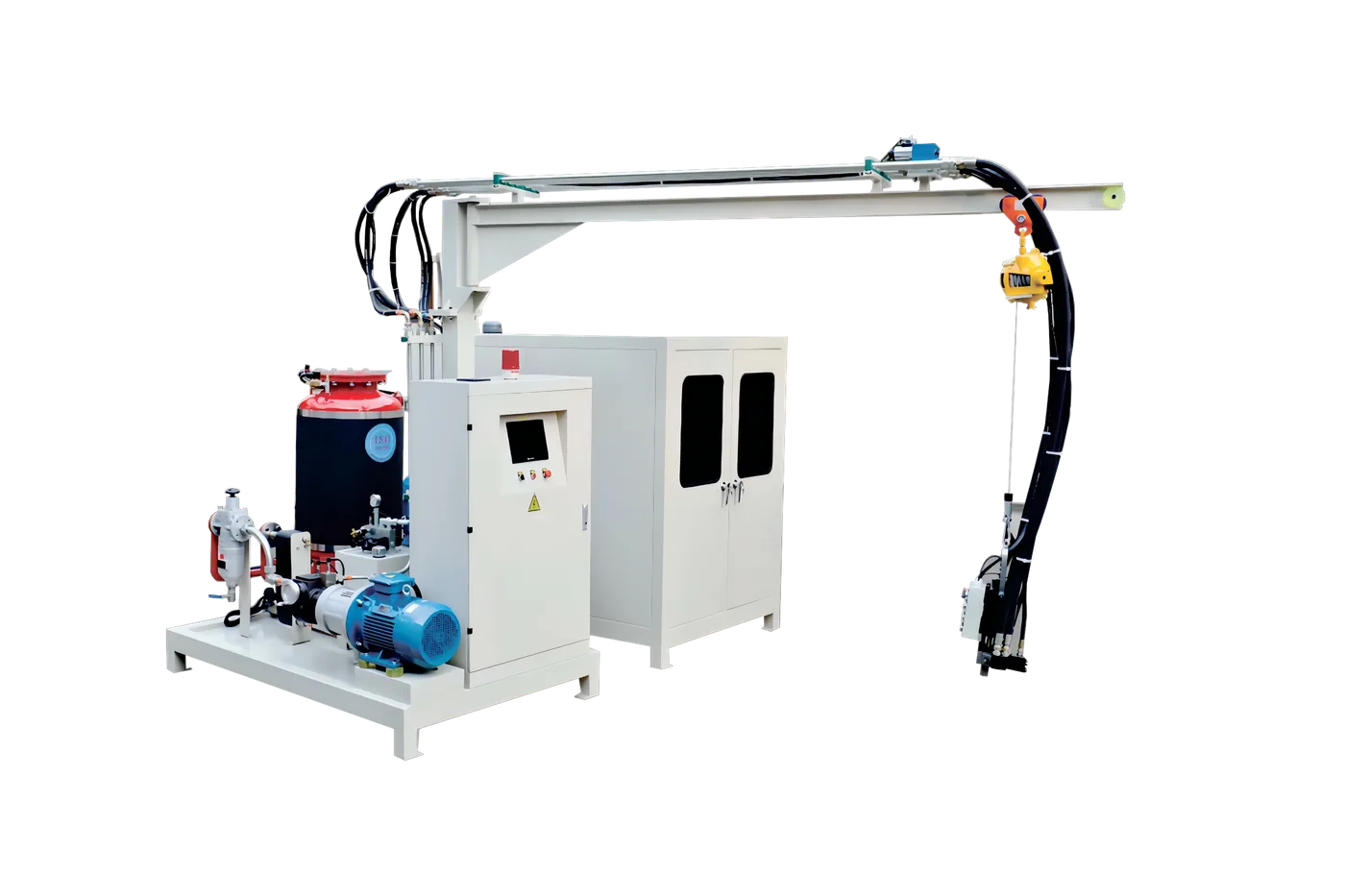
- High-pressure PU foaming machine — mandatory above the +2°C/+8°C tier for the closed-cell content (≥95%) medical specification requires; low-pressure mechanical mixing cannot reliably hit this.
- Cabinet and door foaming moulds — foaming moulds sized for medical-grade foam density (40-50 kg/m³ vs domestic 32-38 kg/m³), which increases fill pressure and typically extends cycle time 8-15 seconds per unit.
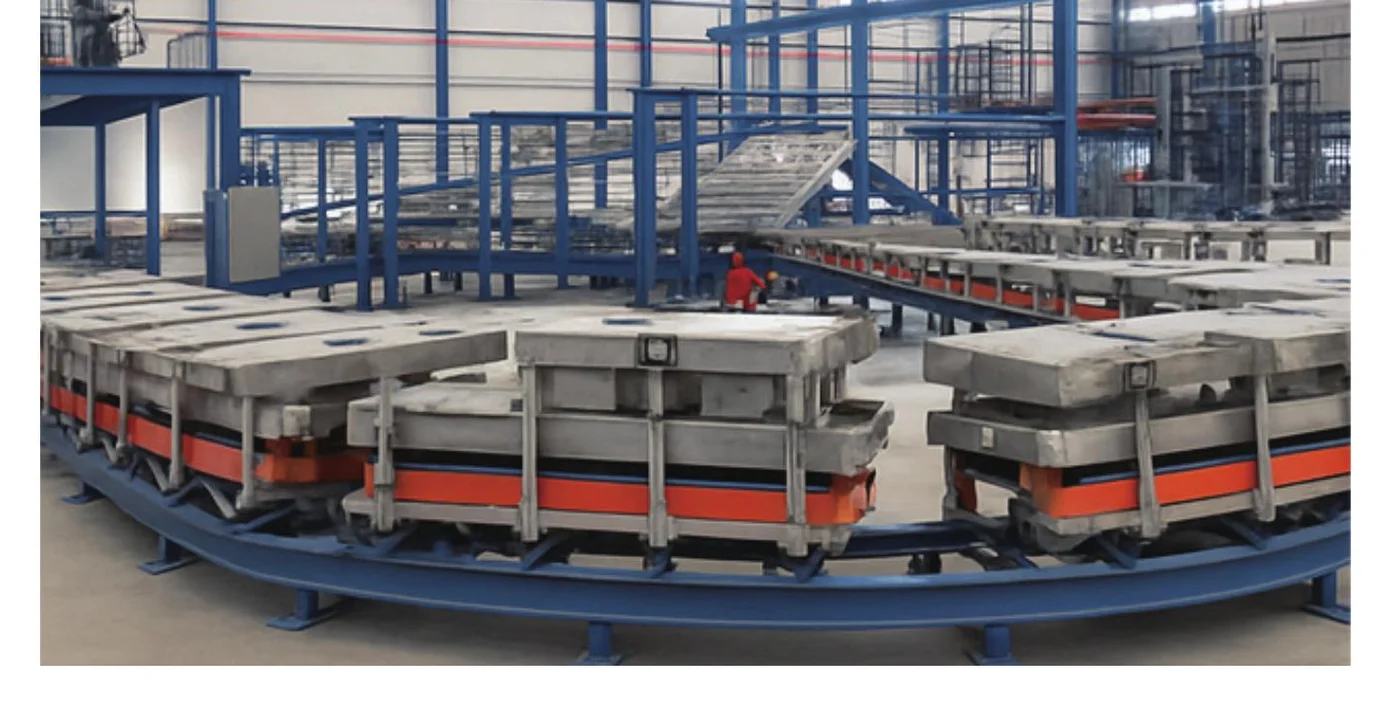
- Conveyor / assembly line integration — for Tier 2-3, a ground-rail PU production line integrates forming, foaming, and assembly stations on a tracked system; Tier 1 adaptation often runs a semi-manual station sequence.
- Per-batch QA equipment — density measurement, K-factor (thermal conductivity) tester, closed-cell content analyser, and a thermal-cycling chamber for dimensional stability testing.
- Leak test and pull-down test stations — mandatory final test before packing, verifying refrigerant circuit integrity and cooldown performance against the label claim.
- Vapour barrier station (Tier 2-3) — an added lamination or coating step between foam and inner liner to stop moisture migration during thermal cycling, absent from domestic-grade lines.
- VIP (Vacuum Insulation Panel) placement station (Tier 3 only) — required once wall thickness and PU-alone K-factor cannot reach the -70°C/-86°C composite target.
Production Line Layout
A Tier 2 dedicated medical line typically runs eight sequential station groups: cabinet forming (fed from a press shop) → liner vacuum forming → door vacuum forming → high-pressure cabinet foaming with vapour barrier → door foaming → final assembly (compressor, evaporator, wiring, electronic temperature logging) → multi-stage testing (leak, pull-down, temperature uniformity, hold-over time) → packing with per-unit documentation insertion. Floor area for a 100 units/day Tier 2 line runs approximately 3,500-5,000 m² production plus 1,500-2,000 m² for retained-sample cold storage and documentation archive — larger than an equivalent domestic line due to the QA and archive footprint.
PU Foaming Machine Selection Decision Tree
- What is your target temperature tier?
- +2°C to +8°C only → high-pressure machine sized for 38-42 kg/m³ is sufficient; low-pressure is not recommended given the ≥93% closed-cell requirement.
- -20°C or below → high-pressure machine mandatory, sized for 42-50 kg/m³, with metering pump capability matched to your chosen blowing agent viscosity.
- What blowing agent will you use? Cyclopentane and HFO both outperform HFC-245fa on long-term K-factor stability over a medical cabinet's 10-15 year service life — see our cyclopentane vs HFC-245fa vs HFO comparison for the trade-off math. Cyclopentane requires flammable-gas handling infrastructure (per US EPA SNAP guidance); HFO avoids that but costs more per kg.
- Single-SKU or mixed cabinet sizes? Mixed-SKU medical production (multiple cabinet volumes) needs quick-change mould systems and PLC recipe management to hold density and K-factor consistency across SKU changeovers — a domestic-line-grade mixer will drift on recipe change.
- Do you need per-batch retained samples automated? If certification requires automated sample pulling and logging (increasingly common for WHO PQS Tier 2+ submissions), the foaming machine's dosing system needs batch-ID integration with your QA database, not a standalone controller.
Raw Material Checklist
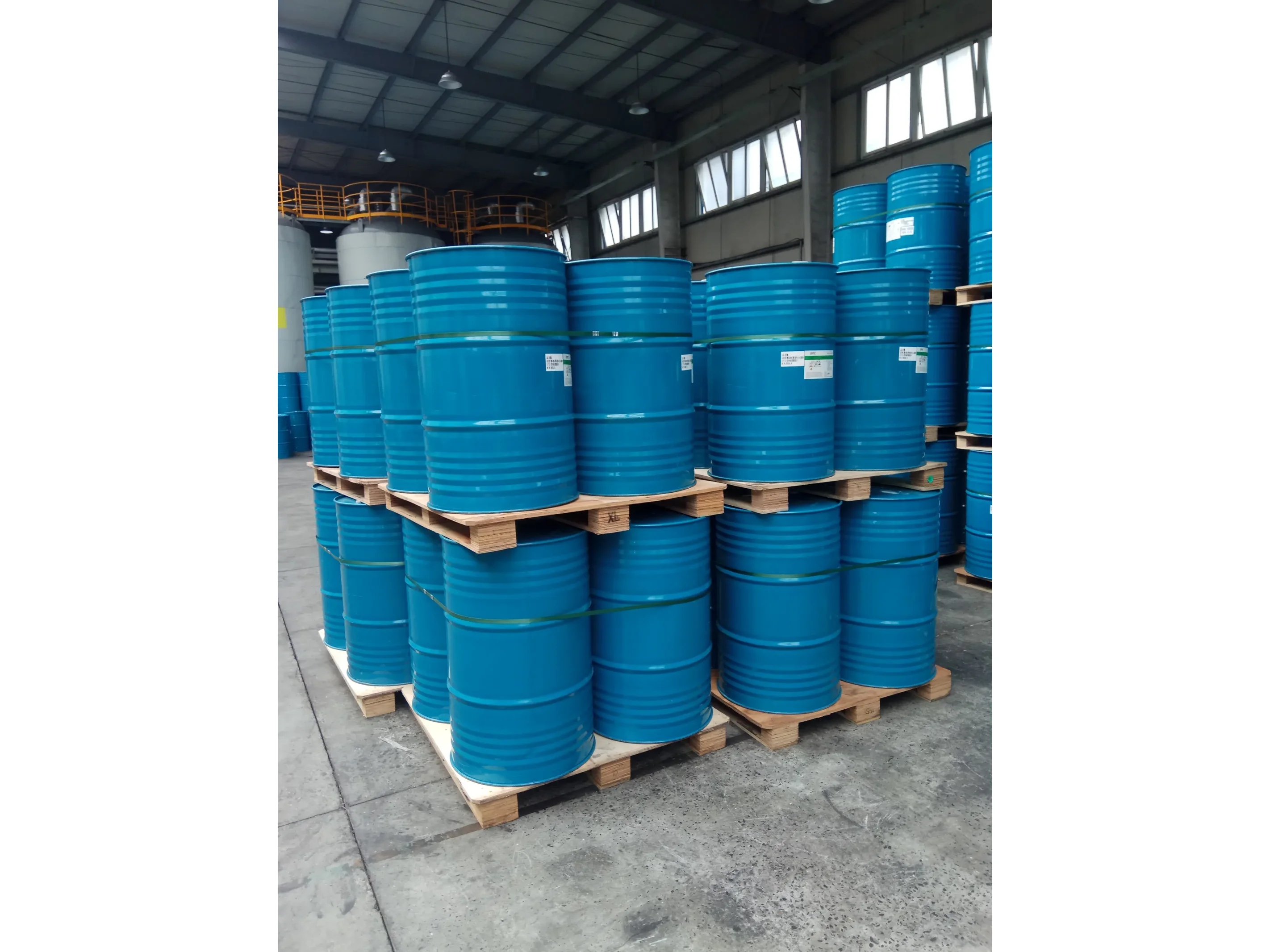
- Medical-grade polyol/isocyanate system rated for target density and K-factor tier (see our PU foam density and K-factor guide for the specification math)
- Blowing agent matched to service-life K-factor stability target (cyclopentane or HFO)
- ABS or HIPS liner sheet rated for the cold-face temperature of your tier
- Vapour barrier film/coating material (Tier 2-3)
- VIP panels sized to your composite wall stack-up (Tier 3 only)
- Door gasket material rated for the tighter cavity tolerance medical doors require
Staffing for a New Line
A Tier 2 line at 100 units/day typically needs: 2 foaming station operators per shift, 2 vacuum forming operators per shift, 3-4 assembly/wiring technicians per shift, 1 dedicated QA technician (density/K-factor/closed-cell testing), 1 documentation/traceability administrator, and 1 line supervisor with FAT/process-validation experience. First-time entrants frequently under-staff the QA and documentation roles, treating them as part-time additions to production staff rather than dedicated positions — this is the single most common cause of certification audit findings on process control.
After-Sales and Support Plan to Budget For
- FAT/SAT support at commissioning, ideally with the equipment supplier's engineer present for the certification body's process observation, not just internal acceptance
- Spare parts stocking for foaming machine dosing pumps and mixing heads — lead time on these from overseas suppliers typically runs 4-8 weeks, which is too slow if unstocked during a certification-critical production run
- Annual calibration support for QA measurement equipment (density scale, K-factor tester)
- A documented process-change protocol — any equipment or recipe change after certification typically triggers a re-notification requirement with your certification body, and your supplier's change documentation needs to support that
Documentation Package Contents Per Unit
Certification bodies and regulated buyers audit the paper trail as closely as the cabinet itself. A compliant per-unit documentation package typically includes: serial number cross-referenced to foam batch number, foam batch QA record (density, K-factor, closed-cell content results), leak-test and pull-down-test results, temperature-uniformity and hold-over-time test results (sampled per batch, not per unit, at most certification tiers), compressor and refrigerant traceability, and final assembly sign-off with technician ID. Building the data pipeline for this — usually a batch-ID field carried from the foaming machine's dosing controller through to the packing station's label printer — is a software and process integration task that first-time factories frequently scope too late, after the physical line is already running manually.
Common Configuration Mistakes at Order Stage
- Ordering a single foaming machine sized for average output, not peak-shift output. Medical-grade cycle times run 8-15 seconds longer per unit than domestic; a machine sized only for daily average leaves no margin for shift-level throughput swings.
- Skipping the vapour barrier station in the initial order to save capex, planning to add it later. Retrofitting a vapour barrier station into an already-installed conveyor line typically costs 40-60% more than including it at initial installation, because of the line reconfiguration involved.
- Assuming one mould set covers multiple cabinet volumes. Medical tenders frequently specify multiple cabinet sizes within a single programme; quick-change mould tooling needs to be scoped at order stage, not added after the first tender award requires a second SKU.
FAQ
FAQ
How much capital do I need to start a medical refrigerator factory?
Entry-tier (adapting an existing domestic line for the +2°C/+8°C tier) needs USD 250,000-450,000 in incremental equipment plus USD 80,000-150,000 in certification cost. A dedicated Tier 2 line needs USD 1.8M-4M. An ultra-low Tier 3 line needs USD 4M-8M or more. Building shell, utilities, and working capital are additional.
How long does it take to get a medical refrigerator factory certified and producing?
9-14 months from contract to a certification-ready unit for Tier 1-2, 14-20 months for Tier 3 ultra-low. The critical path is usually certification testing lead time, not equipment manufacturing, if the certification track starts alongside equipment procurement rather than after it.
Can I convert an existing domestic refrigerator line into a medical line?
For the +2°C/+8°C tier, yes, with USD 250,000-450,000 of upgrades covering a higher-density foaming machine, per-batch QA equipment, and door foaming jig rework. Below -20°C, conversion is rarely cost-effective versus building a dedicated line, given the added vapour barrier station and QA infrastructure required.
What certifications do I need before I can sell medical refrigerators?
ISO 13485 (quality management system) is the foundation nearly every market requires. On top of that: WHO PQS for immunisation-programme procurement, CE-MDR for the EU, or FDA 21 CFR 820/Part 11 for the US, depending on target market. Most manufacturers pursue one primary market certification first, then add others as they expand.
Does the equipment supplier handle my medical device certification?
No. Equipment suppliers, including UREXCEED, supply and document the production line so it passes your certification body's process validation and FAT review. ISO 13485, WHO PQS, CE-MDR, and FDA registration are obtained directly by the medical device manufacturer with the relevant certification body.
What daily output should a first-time medical refrigerator factory target?
10-50 units/day is a practical entry point for the +2°C/+8°C tier — large enough to support unit economics, small enough to keep capital and certification scope manageable. Scale toward a dedicated Tier 2 line after your first WHO PQS listing or CE mark is secured and order volume justifies it.
What is the biggest reason first-time medical refrigerator factories miss their launch date?
Sequencing certification after equipment delivery instead of running both tracks in parallel. ISO 13485 and product testing lead times (6-14 months) typically exceed equipment manufacturing lead time (90-120 days), so starting certification late makes it the critical path even though it looks like the smaller workstream at project kickoff.
Do I need vacuum insulation panels (VIP) for my medical refrigerator line?
Only for the -70°C to -86°C ultra-low tier, where PU foam alone cannot reach the required composite K-factor. The +2°C/+8°C through -50°C tiers are well served by conventional PU foam architecture at 40-48 kg/m³ density with no VIP requirement.
What blowing agent should a new medical refrigerator line use?
Cyclopentane or HFO, both of which outperform HFC-245fa on long-term K-factor stability over a medical cabinet's 10-15 year service life. Cyclopentane needs flammable-gas handling infrastructure; HFO avoids that at a higher per-kg chemical cost. The choice depends on your facility's existing safety infrastructure and chemical budget.
How many staff does a 100 units/day medical refrigerator line need?
Roughly 10-12 production and QA staff per shift: 2 foaming operators, 2 vacuum forming operators, 3-4 assembly technicians, 1 dedicated QA technician, 1 documentation/traceability administrator, and 1 line supervisor. Under-staffing the QA and documentation roles is the most common cause of certification audit findings.
Related engineering deep-dives
For the temperature-tier foam specifications this guide's equipment decisions are built on, see Medical Refrigerator Foaming — PU Specifications for Vaccine Cold Chain. For evaluating a China-based OEM manufacturing partner against 6 sourcing criteria once your factory or brand needs a contract producer instead of building your own line, see Medical Refrigerator OEM Manufacturer in China: Buyer's Pillar. For how medical cold-chain engineering diverges from food-grade refrigeration on the same production platform, see Medical vs Food Cold Chain Refrigerator Engineering.
Ready to scope your medical refrigerator line? Talk to our engineering team with your target temperature tier and daily output — we reply with an equipment list, layout sketch, and realistic certification-aligned timeline within three business days, or browse the medical refrigerator manufacturing solutions page for tier-specific architectures and scope boundaries.
Ready to plan your refrigeration project?
Share your target output and product mix — our engineering team replies with a capacity plan and quote within three business days.
Get an engineering quoteRelated articles
Beverage Cooler Production Line — Cost, Payback & Turnkey Setup (2026 Pillar Guide)
Investment tiers from a single-door entry line to a full bottler-program build, the payback math behind a 3,000-unit/day line, and the complete equipment list and certification checklist a beverage cooler OEM needs to go from contract to first shipment.
Chef Base Production Line: Cost, Break-Even & Turnkey Manufacturing (2026 Pillar Guide)
Investment tiers, the break-even math behind an 800-unit/day line, and the full equipment list and certification checklist a foodservice OEM needs to start chef base and refrigerated-counter production.
Chest Freezer Production Line — Cost, Capacity & Turnkey Factory Setup (2026 Pillar Guide)
Investment tiers from a 300-unit/day entry line to a 3,000-unit/day ultra-low-temperature build, the ATEX and Ecodesign pitfalls that stall first-time freezer OEMs, and the complete equipment list, mould selection logic and staffing plan needed to go from contract to first accepted cabinet.